Results for "what is rye flour"
Rye flour is a type of flour made from ground rye grains, known for its dense texture and distinct flavor. It is commonly used in baking bread, particularly in traditional rye bread recipes.


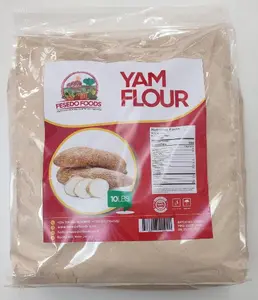
$13.50


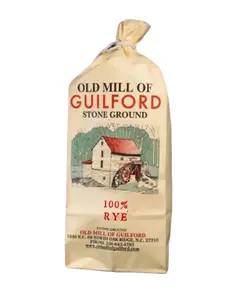
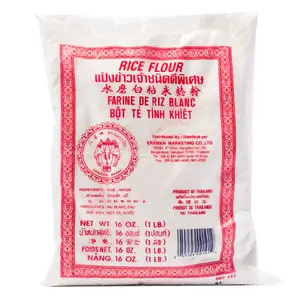


$40.00


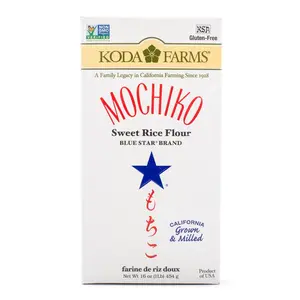

$29.99

$10.30



5.0
10 sold
-14%$12.00$13.99


Yami. Best of Asia

4.8
31 sold
$4.96


Related Searches
Related Categories
Introduction
Rye flour is a unique and versatile ingredient that adds a rich flavor and hearty texture to various baked goods. Made from the whole grain of rye, this flour is darker and denser than wheat flour, making it a popular choice for those seeking to create rustic breads and baked items. Rye flour contains a higher amount of fiber and nutrients compared to all-purpose flour, making it a healthier option for many recipes.
When using rye flour, it's essential to understand its properties and how it interacts with other ingredients. Here are some key points to consider:
When using rye flour, it's essential to understand its properties and how it interacts with other ingredients. Here are some key points to consider:
- Flavor: Rye flour imparts a nutty, slightly sour taste to baked goods, which can enhance the overall flavor profile.
- Texture: Due to its density, rye flour can create a heavier dough, ideal for hearty breads.
- Hydration: Rye flour absorbs more water than wheat flour, so adjustments in liquid may be necessary in recipes.
- Baking: Rye flour is often used in combination with other flours to achieve the desired texture and flavor in bread.
- Health Benefits: Rich in dietary fiber and essential minerals, rye flour is a healthier alternative for many baking needs.