Results for "creatine when stop taking"
Creatine is a popular fitness supplement that helps improve athletic performance and increase muscle mass. Understanding when to stop taking creatine is essential for maximizing its benefits and avoiding potential side effects.


Cutler Nutrition

4.7
10.7K sold
-35%$43.96$68.00

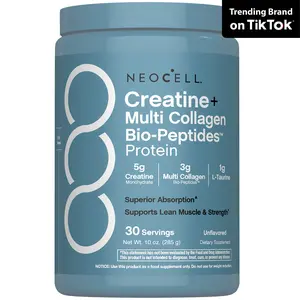
NeoCell Collagen
4.5
13.9K sold
-48%$30.43$58.60

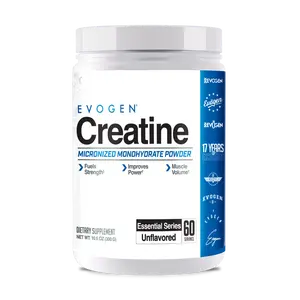
$33.76

Optimum Nutrition Shop
4.6
11.9K sold
$20.28


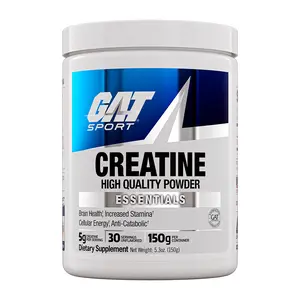
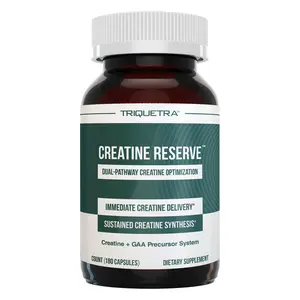
Triquetra
4.8
754 sold
-15%$28.74$33.81

SportsResearch
4.8
5.8K sold
-10%$20.24$22.49

1st Phorm
4.9
595 sold
$28.17
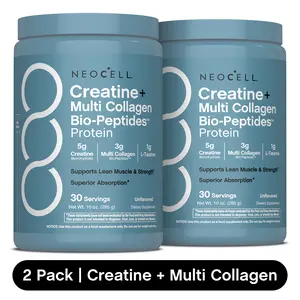
NeoCell Collagen
4.5
485 sold
-53%$55.23$117.20
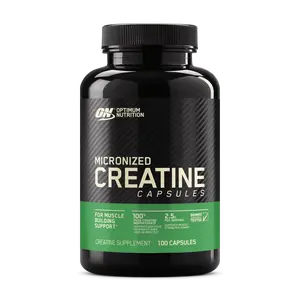
Optimum Nutrition Shop
4.7
2.5K sold
$22.54


4.9
163 sold
-43%$11.93$21.00
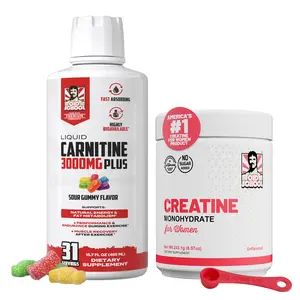
OLD SCHOOL LABS
4.9
319 sold
$85.67
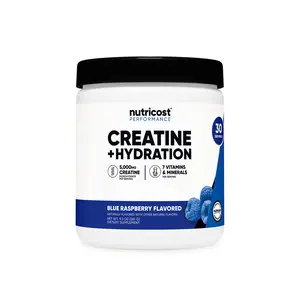
Nutricost
4.4
657 sold
$22.51

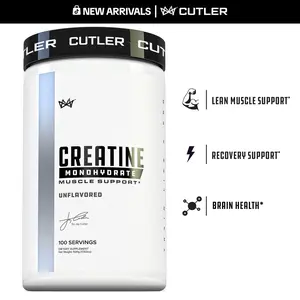
Cutler Nutrition
4.8
3.6K sold
-10%$29.41$32.68
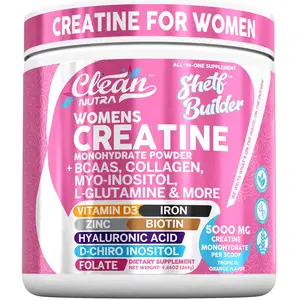

4.6
1.3K sold
-43%$10.74$19.00

Bloom Nutrition
4.3
4.2K sold
-12%$41.79$47.75

4.5
7.1K sold
-47%$13.13$25.00

Bloom Nutrition
4.7
1.2K sold
-50%$47.76$95.52

Bloom Nutrition
4.7
92.0K sold
-43%$20.29$35.82


Goli Nutrition
4.0
370 sold
-64%$45.10$125.00




BrainMD
4.8
4.8K sold
-15%$35.50$41.74
Related Searches
Related Categories
Introduction
Creatine is a widely used supplement among fitness enthusiasts and athletes, known for its ability to enhance strength, power, and muscle gains. However, many users wonder, 'when should I stop taking creatine?' It's crucial to know that the timing of stopping creatine can vary based on individual goals and body responses. Typically, users may cycle on and off creatine to maintain its effectiveness and prevent the body from adapting to its use.
Here are some key points to consider regarding when to stop taking creatine:
Here are some key points to consider regarding when to stop taking creatine:
- Goal Achievement: If you have reached your fitness goals, such as increased muscle mass or improved performance, you might consider taking a break from creatine.
- Loading Phase: After the initial loading phase of creatine, which usually lasts about a week, many users switch to a maintenance dose. If you feel satisfied with your progress, stopping after the maintenance phase can be beneficial.
- Health Considerations: If you experience any adverse side effects, such as gastrointestinal discomfort or muscle cramping, it may be time to stop or consult a healthcare professional.
- Hydration Levels: Since creatine draws water into the muscles, ensure you maintain proper hydration. If you're unable to stay hydrated, consider pausing its use.
- Consultation: Always consult with a healthcare provider or a nutritionist before making changes to your supplement routine.