Results for "creatine t1d"
Creatine is a naturally occurring compound found in the body, primarily in muscle cells. It plays a crucial role in energy production during high-intensity exercise and is commonly used as a dietary supplement to enhance athletic performance.


1st Phorm

4.9
595 sold
$29.74


SportsResearch

4.8
5.8K sold
-10%$21.36$23.74


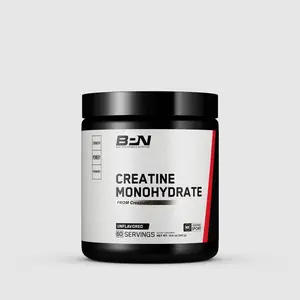
$23.79


Optimum Nutrition Shop
4.6
11.9K sold
$21.41

Bloom Nutrition
4.7
91.7K sold
-43%$20.22$35.69


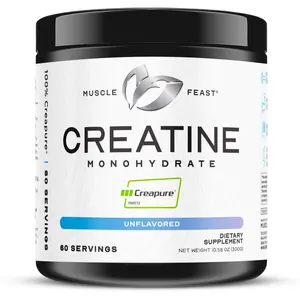


![Bucked Up Creatine Monohydrate [50 servings] Healthcare Fitness Supplement](https://p19-oec-general-useast5.ttcdn-us.com/tos-useast5-i-omjb5zjo8w-tx/5ae048a5b9644d01a9ab779568e8ed80~tplv-fhlh96nyum-crop-webp:300:300.webp?dr=12190&t=555f072d&ps=933b5bde&shp=8dbd94bf&shcp=a6e80448&idc=useast5&from=2378011839 "Bucked Up Creatine Monohydrate [50 servings] Healthcare Fitness Supplement")
Bucked Up
4.7
14.5K sold
-10%$30.15$33.50


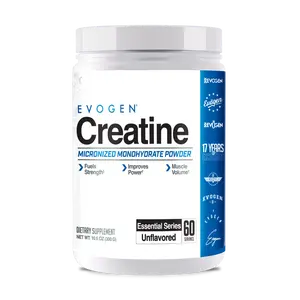
$35.84
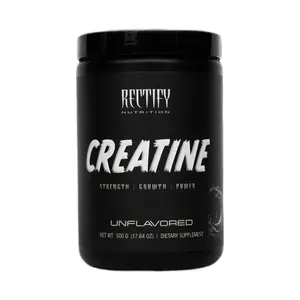



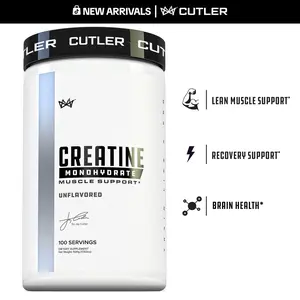
Cutler Nutrition
4.8
3.6K sold
-10%$31.22$34.69


Related Searches
Introduction
Creatine is a popular supplement among athletes and fitness enthusiasts looking to improve their performance and increase muscle mass. It is particularly beneficial for those engaging in high-intensity, short-duration activities, such as weightlifting and sprinting. When taken as a supplement, creatine helps to replenish adenosine triphosphate (ATP), the primary energy carrier in cells, allowing for more sustained energy during workouts.
For individuals with Type 1 Diabetes (T1D), incorporating creatine into their regimen can have additional considerations. While creatine is generally safe for most people, those with T1D should consult with healthcare professionals before starting any new supplement. It's essential to monitor blood sugar levels, as exercise and dietary changes can affect insulin sensitivity.
Here are some key points about creatine:
For individuals with Type 1 Diabetes (T1D), incorporating creatine into their regimen can have additional considerations. While creatine is generally safe for most people, those with T1D should consult with healthcare professionals before starting any new supplement. It's essential to monitor blood sugar levels, as exercise and dietary changes can affect insulin sensitivity.
Here are some key points about creatine:
- Proven Quality: Many studies support the efficacy of creatine in enhancing athletic performance.
- Muscle Recovery: Creatine may aid in muscle recovery post-exercise, helping to reduce soreness.
- Hydration: It’s important to stay hydrated while taking creatine, as it can draw water into the muscles.
- Types of Creatine: There are various forms of creatine available, including creatine monohydrate, which is the most researched and commonly used.
- Customer-Approved: Many users report positive results and satisfaction with their performance improvements.