Results for "caster sugar v white sugar"
Caster sugar, also known as superfine sugar, is a finely ground sugar that dissolves quickly, making it ideal for baking and cocktails. White sugar, or granulated sugar, is coarser and commonly used in everyday cooking and baking.


$93.00
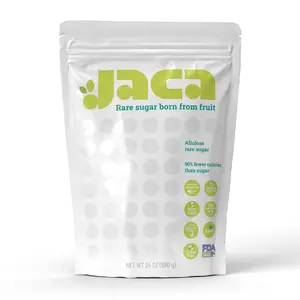

Yami. Best of Asia

$4.18


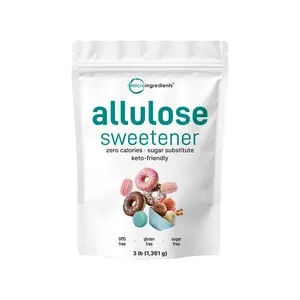
Micro Ingredients
4.6
4.9K sold
-23%$29.03$37.64


Yami. Best of Asia
$9.25


Yami. Best of Asia
$4.13


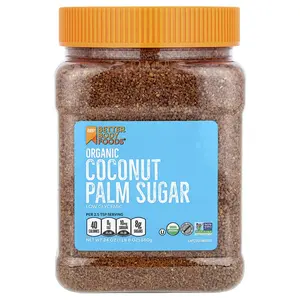
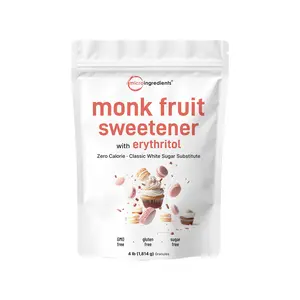
Micro Ingredients
4.7
2.2K sold
$31.18


$16.14


Related Searches
Introduction
When it comes to baking and sweetening drinks, understanding the difference between caster sugar and white sugar is essential for achieving the best results. Caster sugar is a finely ground sugar that dissolves rapidly, making it perfect for delicate recipes like meringues, mousses, and cocktails. Its fine texture allows it to blend seamlessly into mixtures, ensuring a smooth finish. On the other hand, white sugar, also known as granulated sugar, has larger crystals and is the most commonly used sugar in everyday cooking. While it can be used in most recipes, it may not dissolve as quickly as caster sugar, which can affect the texture of certain baked goods. Here are some key points to consider when choosing between caster sugar and white sugar:
- Dissolving Ability: Caster sugar dissolves faster than white sugar, making it ideal for recipes that require a smooth texture.
- Usage: Use caster sugar for delicate desserts, while white sugar is suitable for general baking and cooking.
- Substitution: In most cases, you can substitute white sugar for caster sugar, but the texture may vary.