Results for "whey isolate vs hydrolyzed"
Whey isolate and hydrolyzed whey are two popular forms of protein supplements derived from milk. Whey isolate is a purer form of whey protein with minimal fats and carbohydrates, while hydrolyzed whey is pre-digested for faster absorption.


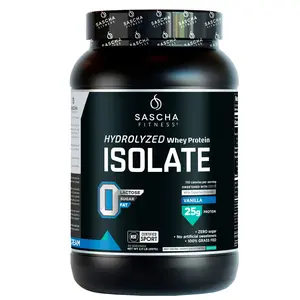

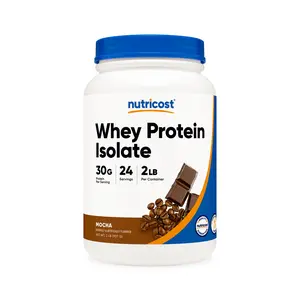
Nutricost

4.7
513 sold
$52.97
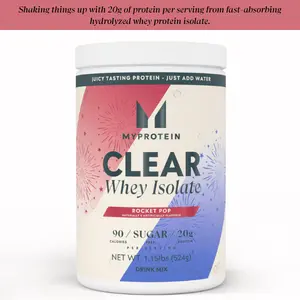
MYPROTEIN
4.6
834 sold
-29%$32.00$44.95


5.0
53 sold
-10%$62.99$69.99


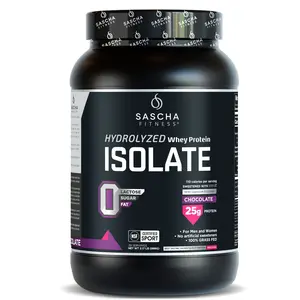
Sascha Fitness
5.0
38 sold
$59.99


Legion Supplements
4.7
2.4K sold
$39.99


4.7
141 sold
-15%$46.74$54.99


Carlyle Nutritionals

4.9
43 sold
-15%$79.99$94.11


4.5
27.8K sold
-18%$45.00$55.00


Related Searches
Related Categories
Introduction
When it comes to fitness supplements, understanding the differences between whey isolate and hydrolyzed whey is crucial for making informed choices. Both types of whey protein offer unique benefits that cater to varying fitness goals and dietary needs.
**Whey Isolate** is known for its high protein content, typically containing around 90% protein by weight. It undergoes minimal processing, allowing it to retain most of its beneficial nutrients while eliminating excess fats and carbohydrates. This makes it an excellent choice for those looking to build muscle, enhance recovery, or maintain a lean physique.
**Hydrolyzed Whey**, on the other hand, is pre-digested through a process called hydrolysis. This process breaks down the protein into smaller peptides, facilitating quicker absorption in the body. Athletes often prefer hydrolyzed whey for post-workout recovery, as it provides a rapid influx of amino acids to the muscles.
Key considerations when choosing between these two protein types include:
**Whey Isolate** is known for its high protein content, typically containing around 90% protein by weight. It undergoes minimal processing, allowing it to retain most of its beneficial nutrients while eliminating excess fats and carbohydrates. This makes it an excellent choice for those looking to build muscle, enhance recovery, or maintain a lean physique.
**Hydrolyzed Whey**, on the other hand, is pre-digested through a process called hydrolysis. This process breaks down the protein into smaller peptides, facilitating quicker absorption in the body. Athletes often prefer hydrolyzed whey for post-workout recovery, as it provides a rapid influx of amino acids to the muscles.
Key considerations when choosing between these two protein types include:
- **Digestibility**: Hydrolyzed whey is easier on the stomach for those with lactose intolerance.
- **Cost**: Hydrolyzed whey is often more expensive due to the additional processing involved.