Results for "what is microcrystalline cellulose"
Microcrystalline cellulose is a refined form of cellulose derived from plant sources, often used as a texturizer, anti-caking agent, and bulking agent in various food and pharmaceutical products.


BULKSUPPLEMENTS

4.5
5 sold
$17.36


![[JSNR Official]3-Step Skin Reset System | Deep Clean Corn Exfoliating Cream · Fresh Freeze-Dried Renewal Ampoule · Seaweed Deep Moisture Cream | For dull, rough, tired skin | Gentle, hydrating, barrier-friendly | Daily / 2-Week / 8-Week](https://p16-oec-general-useast5.ttcdn-us.com/tos-useast5-i-omjb5zjo8w-tx/c0ba5da481214e37a07e9f27a711975d~tplv-fhlh96nyum-crop-webp:300:300.webp?dr=12190&t=555f072d&ps=933b5bde&shp=8dbd94bf&shcp=a6e80448&idc=useast5&from=2378011839 "[JSNR Official]3-Step Skin Reset System | Deep Clean Corn Exfoliating Cream · Fresh Freeze-Dried Renewal Ampoule · Seaweed Deep Moisture Cream | For dull, rough, tired skin | Gentle, hydrating, barrier-friendly | Daily / 2-Week / 8-Week")



Kind Patches USA
4.4
2.6K sold
-42%$55.24$96.00


Micro Ingredients
4.7
544.4K sold
-14%$26.51$30.76

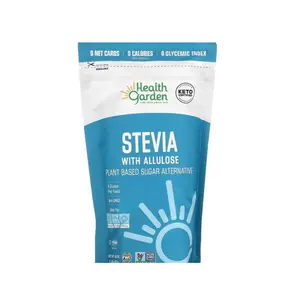


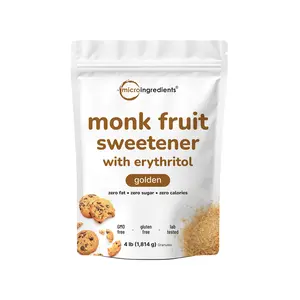
Micro Ingredients
4.7
20.5K sold
-17%$30.76$37.14
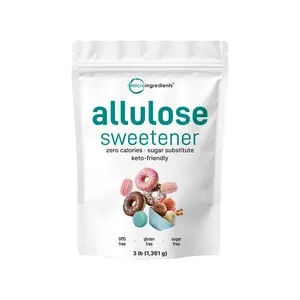
Micro Ingredients
4.6
4.9K sold
-23%$28.64$37.14
![[medicube] Affordable Glass Glow Skincare Set | Includes 8 products for Gentle Skin Glow Routine](https://p16-oec-general-useast5.ttcdn-us.com/tos-useast5-i-omjb5zjo8w-tx/6c01ec0aede541e1a803d102c4ad953e~tplv-fhlh96nyum-crop-webp:300:300.webp?dr=12190&t=555f072d&ps=933b5bde&shp=8dbd94bf&shcp=a6e80448&idc=useast5&from=2378011839 "[medicube] Affordable Glass Glow Skincare Set | Includes 8 products for Gentle Skin Glow Routine")
medicube US Store
4.7
483.1K sold
-62%$96.00$252.00

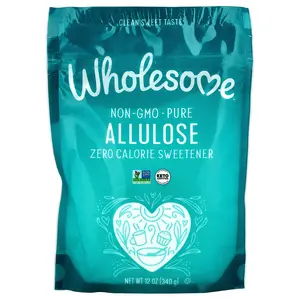


Kind Patches USA
3.9
487.2K sold
-17%$19.00$23.00


![[Dr.Melaxin Official] Calcium Multi Balm Eye Care Routine Korean Skin Care Anti-aging Cosmetics Collagen Eye Stick 9g](https://p16-oec-general-useast5.ttcdn-us.com/tos-useast5-i-omjb5zjo8w-tx/d425676493a24893b97f3b6235c2b142~tplv-fhlh96nyum-crop-webp:300:300.webp?dr=12190&t=555f072d&ps=933b5bde&shp=8dbd94bf&shcp=a6e80448&idc=useast5&from=2378011839 "[Dr.Melaxin Official] Calcium Multi Balm Eye Care Routine Korean Skin Care Anti-aging Cosmetics Collagen Eye Stick 9g")
Dr.Melaxin
4.2
690.8K sold
-47%$20.10$38.00
![[Sungboon] PDRN Pink Vitamin Glow Boosting Ampoule](https://p16-oec-general-useast8.ttcdn-us.com/tos-useast8-i-rt0ujvrtvp-tx2/8ee7daa57e7945f9987c7fd088484fa6~tplv-fhlh96nyum-crop-webp:300:300.webp?dr=12190&t=555f072d&ps=933b5bde&shp=8dbd94bf&shcp=a6e80448&idc=useast5&from=2378011839 "[Sungboon] PDRN Pink Vitamin Glow Boosting Ampoule")

Micro Ingredients
4.6
167.0K sold
-19%$37.14$45.64


Micro Ingredients
4.6
21.0K sold
-31%$28.64$41.39
Related Searches
Related Categories
Introduction
Microcrystalline cellulose is a versatile ingredient widely used in the food and pharmaceutical industries. As a non-toxic, plant-based substance, it serves multiple purposes, including acting as a bulking agent, stabilizer, and anti-caking agent. This ingredient is derived from cellulose, the main structural component of plant cell walls, and is known for its proven quality and safety.
Users often seek microcrystalline cellulose for its ability to improve the texture and consistency of products. It is commonly found in dietary supplements, powdered foods, and even cosmetics. The benefits of microcrystalline cellulose include:
Additionally, microcrystalline cellulose is suitable for those seeking gluten-free or low-calorie options. With its customer-approved status, it has gained popularity among health-conscious individuals and those looking to enhance their product formulations.
For anyone interested in exploring the benefits of microcrystalline cellulose, it’s essential to consider how it fits into your dietary or product needs. Regularly updating your knowledge about this ingredient can help you stay informed about its applications and benefits.
Users often seek microcrystalline cellulose for its ability to improve the texture and consistency of products. It is commonly found in dietary supplements, powdered foods, and even cosmetics. The benefits of microcrystalline cellulose include:
- Enhanced Texture: Provides a smooth and consistent texture in food products.
- Weight Management: Acts as a bulking agent, helping to create a feeling of fullness.
- Stability: Improves the shelf-life of products by preventing clumping.
Additionally, microcrystalline cellulose is suitable for those seeking gluten-free or low-calorie options. With its customer-approved status, it has gained popularity among health-conscious individuals and those looking to enhance their product formulations.
For anyone interested in exploring the benefits of microcrystalline cellulose, it’s essential to consider how it fits into your dietary or product needs. Regularly updating your knowledge about this ingredient can help you stay informed about its applications and benefits.