Results for "silver chloride"
Silver chloride is a chemical compound with the formula AgCl, known for its light sensitivity and use in photography, as well as in various chemical applications.


$11.00

Carlyle Nutritionals

4.6
50 sold
-15%$19.96$23.49


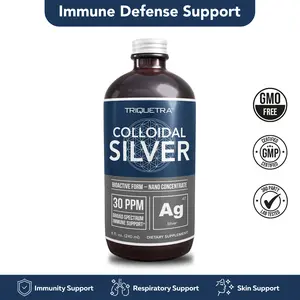
Triquetra
4.7
8.8K sold
-15%$20.54$24.17


$16.37


4.3
444 sold
-10%$13.76$15.30


Related Searches
Related Categories
Introduction
Silver chloride is a fascinating compound that has garnered attention for its unique properties and applications. As a chemical compound composed of silver and chlorine, silver chloride (AgCl) is most commonly recognized for its role in photography, where it is used in light-sensitive materials. When exposed to light, silver chloride undergoes a photochemical reaction that can produce silver metal, making it essential for traditional photographic processes. Beyond photography, silver chloride is also utilized in various industrial applications, including water purification and as a component in some types of batteries.
For those interested in its uses, here are some key points about silver chloride:
For those interested in its uses, here are some key points about silver chloride:
- Light Sensitivity: Silver chloride is highly sensitive to light, which is why it is crucial in photographic films.
- Antimicrobial Properties: It has been recognized for its ability to inhibit bacterial growth, making it valuable in medical applications.
- Water Purification: Silver chloride can be used in filtration systems to help purify drinking water.
- Electrochemical Applications: It is employed in certain types of electrochemical cells.