raised beds
Raised beds are a popular gardening solution that elevates the planting area, providing better drainage, improved soil quality, and easier access for gardeners. They are ideal for growing vegetables, herbs, and flowers, making gardening more accessible and organized.
Featured brands
Authenticated productsVerified shops


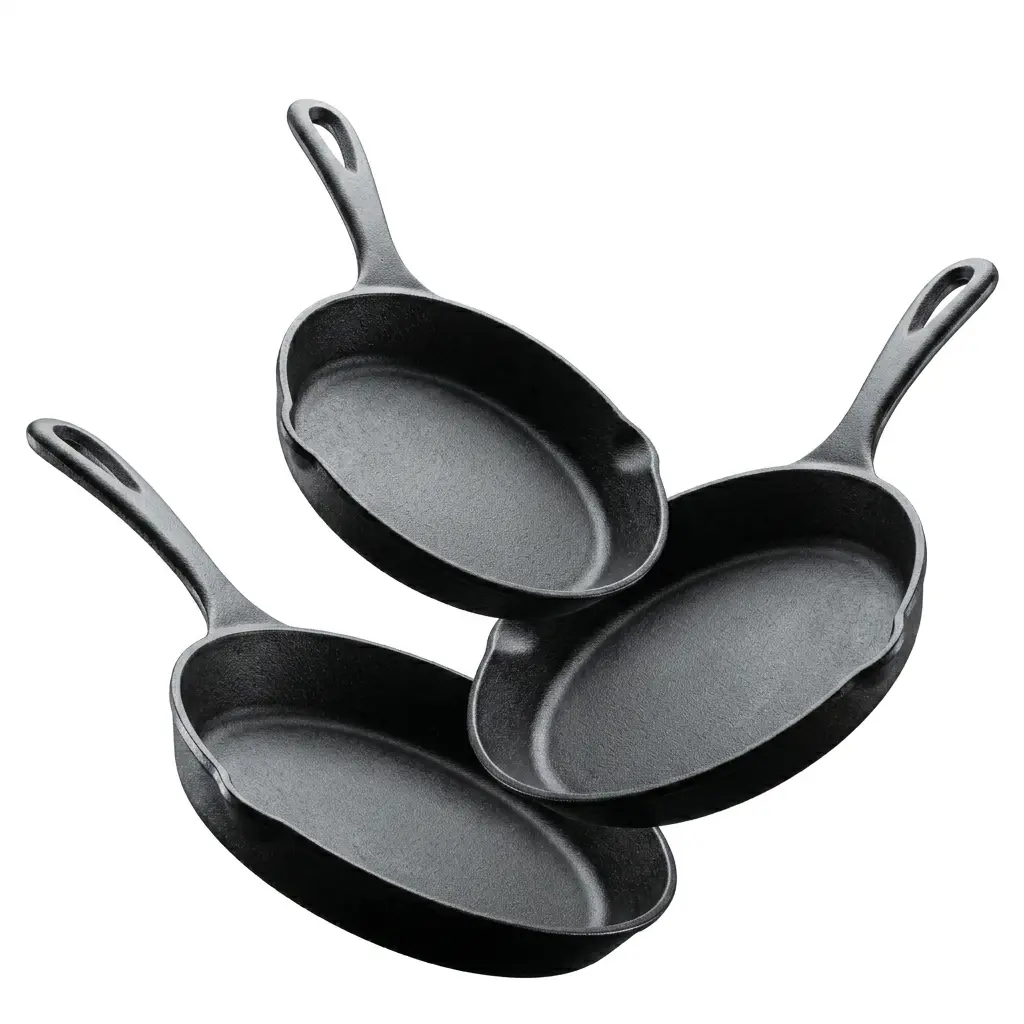



4.5
85 sold
-28%$54.68$75.94


Yaheetech Shop

4.8
2.2K sold
$74.99


Best Choice Products, Inc.

4.7
543 sold
$54.99
Related Searches
Related Categories
Introduction
If you're looking to enhance your gardening experience, raised beds are a fantastic option to consider. These elevated planting areas not only improve drainage but also allow for better soil management, making them perfect for growing a variety of plants.
Raised beds can be constructed from various materials, including wood, stone, or metal, giving you the flexibility to choose a design that complements your garden aesthetic. One of the key benefits of using raised beds is that they warm up faster in the spring, allowing you to plant earlier and extend your growing season. Additionally, the height of raised beds can reduce strain on your back, making gardening more enjoyable.
When planning your raised bed garden, consider the placement for optimal sunlight and accessibility. You can fill your raised beds with a mix of soil and compost to ensure your plants receive the nutrients they need.
For those who want to maximize their gardening space, raised beds can be designed with multiple tiers or sections, allowing for a diverse range of plants. Whether you're a seasoned gardener or just starting, raised beds offer a structured and efficient way to grow your favorite flowers, herbs, and vegetables. Explore the possibilities of raised beds and transform your gardening experience today!
Raised beds can be constructed from various materials, including wood, stone, or metal, giving you the flexibility to choose a design that complements your garden aesthetic. One of the key benefits of using raised beds is that they warm up faster in the spring, allowing you to plant earlier and extend your growing season. Additionally, the height of raised beds can reduce strain on your back, making gardening more enjoyable.
When planning your raised bed garden, consider the placement for optimal sunlight and accessibility. You can fill your raised beds with a mix of soil and compost to ensure your plants receive the nutrients they need.
For those who want to maximize their gardening space, raised beds can be designed with multiple tiers or sections, allowing for a diverse range of plants. Whether you're a seasoned gardener or just starting, raised beds offer a structured and efficient way to grow your favorite flowers, herbs, and vegetables. Explore the possibilities of raised beds and transform your gardening experience today!