nasal rinse
A nasal rinse is a method used to clean the nasal passages, helping to alleviate congestion and promote better respiratory health. This process typically involves using a saline solution to flush out mucus, allergens, and irritants from the nose.


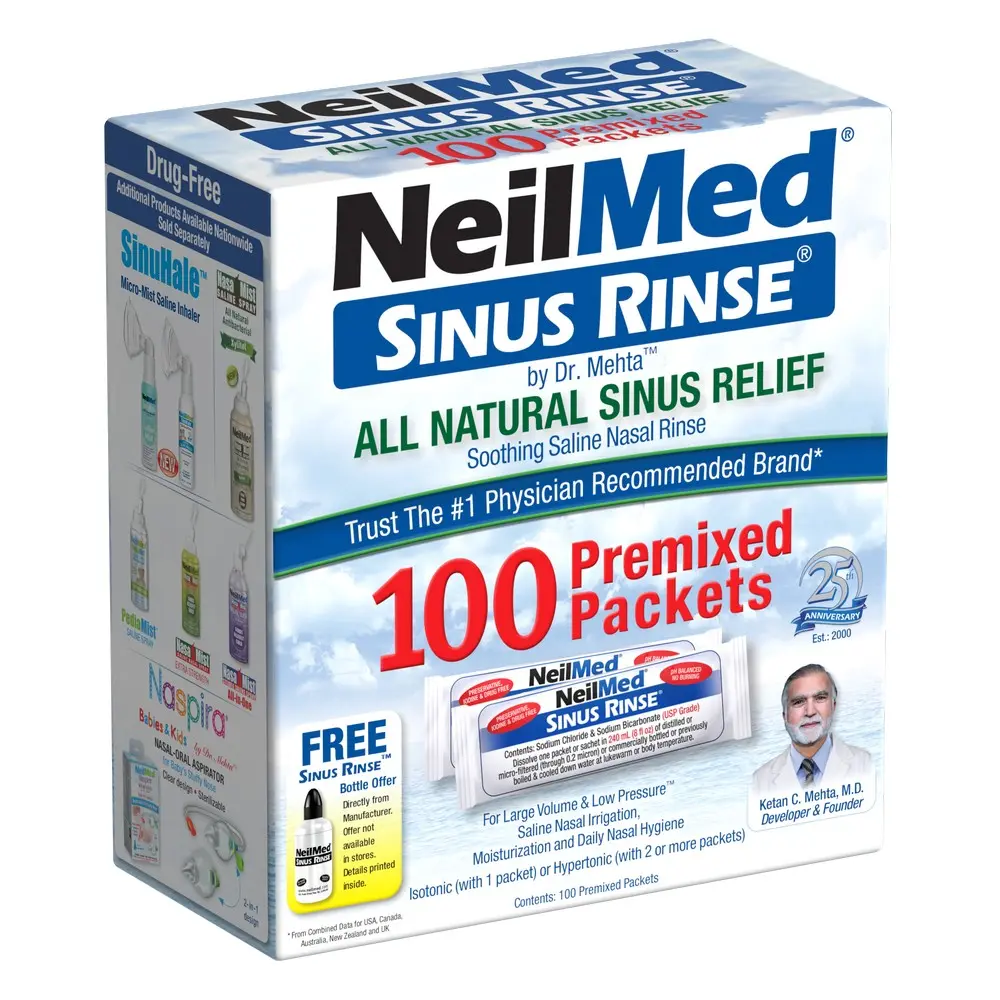


Introduction
Nasal cleaning is an essential practice for maintaining optimal respiratory health. A nasal rinse, often referred to as nasal irrigation, is a simple yet effective method to clear nasal passages, especially during allergy season or when suffering from a cold. By using a saline solution, nasal rinses help to wash away mucus, dust, pollen, and other allergens that may cause discomfort. Regular nasal cleaning can significantly improve breathing, reduce sinus pressure, and enhance overall well-being.
Many people are unaware of the numerous benefits of incorporating nasal rinses into their daily routines. Not only do they provide immediate relief from nasal congestion, but they also promote hydration of the nasal membranes, making it harder for germs to thrive. For those who suffer from chronic sinus issues, nasal cleaning can be a game-changer, reducing the frequency of sinus infections and improving quality of life.
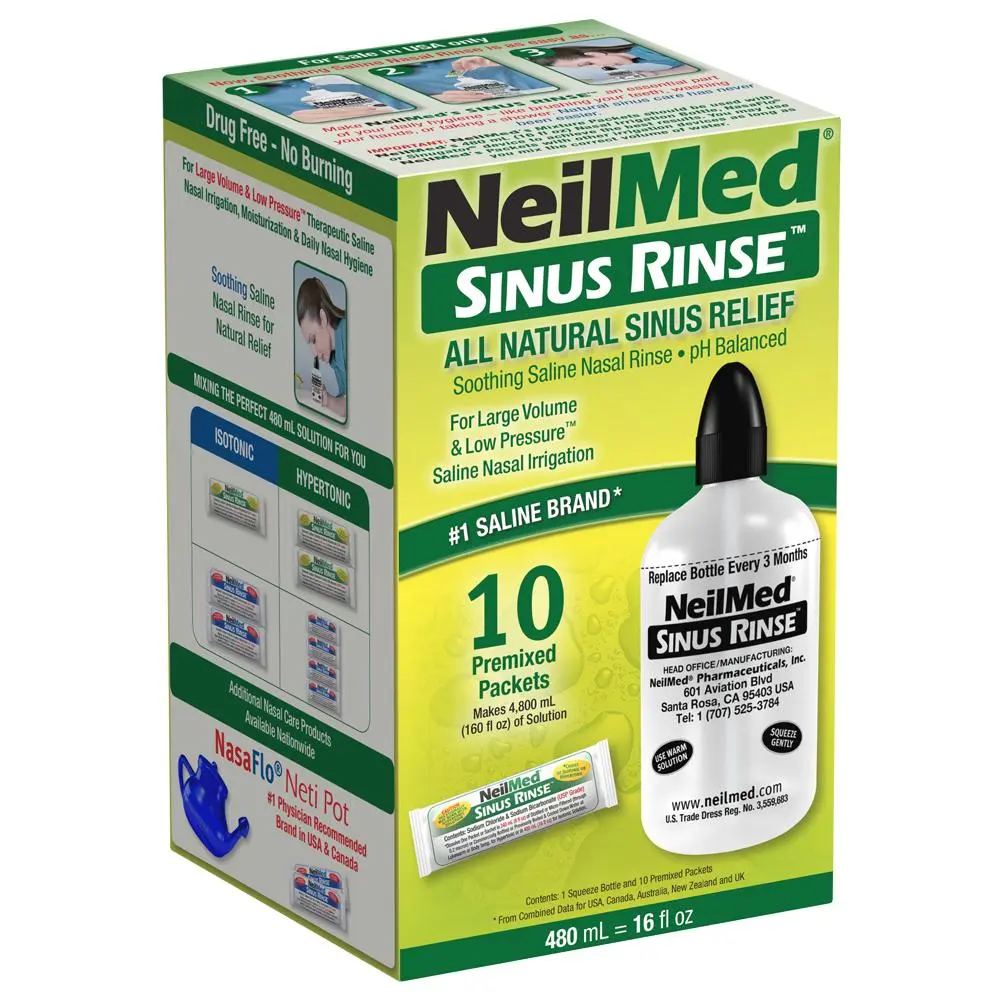
To perform a nasal rinse, one can use various devices, including neti pots, squeeze bottles, or nasal spray bottles. It's important to use distilled or sterilized water mixed with a saline solution to ensure safety and effectiveness. With just a few minutes of your time, you can enjoy the refreshing benefits of nasal cleaning, making it a worthwhile addition to your health regimen.