Results for "motherboard internal components"
Motherboard internal components refer to the various parts and circuitry that make up a motherboard, which is a crucial component in a computer system. These components work together to connect and manage communication between the CPU, RAM, storage devices, and other peripherals.

Newegg, Inc.

5.0
5 sold
-28%$309.00$431.97
Newegg, Inc.
5.0
46 sold
-29%$78.29$109.83



Newegg, Inc.
5.0
3 sold
-15%$178.67$210.20

Newegg, Inc.
3.7
42 sold
$111.40


Related Searches
Related Categories
Introduction
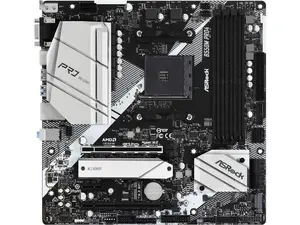
Understanding motherboard internal components is essential for anyone looking to build or upgrade a computer. A motherboard serves as the backbone of a computer system, housing critical internal components that facilitate communication and power distribution. Key components include the CPU socket, RAM slots, chipset, power connectors, and expansion slots.
The CPU socket is where the processor is installed, allowing it to interact with other components. RAM slots accommodate memory modules, which are vital for the system's speed and performance. The chipset manages data flow between the processor and other parts of the computer, while power connectors ensure the motherboard receives the necessary power to function properly.
Additionally, expansion slots such as PCIe allow users to add graphics cards, sound cards, and other peripherals to enhance their system's capabilities.
When selecting a motherboard, it's crucial to consider compatibility with these internal components. Look for features like:
The CPU socket is where the processor is installed, allowing it to interact with other components. RAM slots accommodate memory modules, which are vital for the system's speed and performance. The chipset manages data flow between the processor and other parts of the computer, while power connectors ensure the motherboard receives the necessary power to function properly.
Additionally, expansion slots such as PCIe allow users to add graphics cards, sound cards, and other peripherals to enhance their system's capabilities.
When selecting a motherboard, it's crucial to consider compatibility with these internal components. Look for features like:
- Number of RAM slots
- Supported CPU types
- Available expansion slots
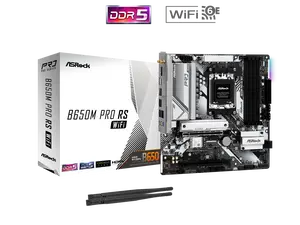
- Integrated features like Wi-Fi or Bluetooth