mainboard parts
Mainboard parts refer to the various components and features that make up a motherboard, which is a crucial part of a computer system. These parts include the CPU socket, RAM slots, expansion slots, and power connectors, among others.
Featured brands
Authenticated productsVerified shops





Newegg, Inc.

4.3
57 sold
-17%$86.99$104.49


Newegg, Inc.
2 sold
$334.99


$100.00


Newegg, Inc.
4.9
54 sold
$105.99


Related Searches
Related Categories
Introduction
When it comes to building or upgrading a computer, understanding mainboard parts is essential. The motherboard, often referred to as the mainboard, serves as the backbone of your computer, connecting all components and allowing them to communicate effectively. Key mainboard parts include the CPU socket, where the processor is installed, RAM slots for memory modules, and various expansion slots for additional cards like graphics and sound cards.
Knowing the layout and features of your motherboard can significantly impact your system's performance. Here are some critical aspects to consider:
Understanding these mainboard parts not only helps in making informed purchasing decisions but also aids in troubleshooting and upgrades. Proven quality and customer-approved features are what you should look for when selecting a motherboard. Remember, a well-chosen motherboard can support advanced features and future upgrades, ensuring your system remains competitive. Regularly updating your knowledge about trending components will keep you ahead in the tech game.
Knowing the layout and features of your motherboard can significantly impact your system's performance. Here are some critical aspects to consider:
- CPU Socket: This is where the central processing unit (CPU) is installed. Ensure compatibility with your chosen processor.
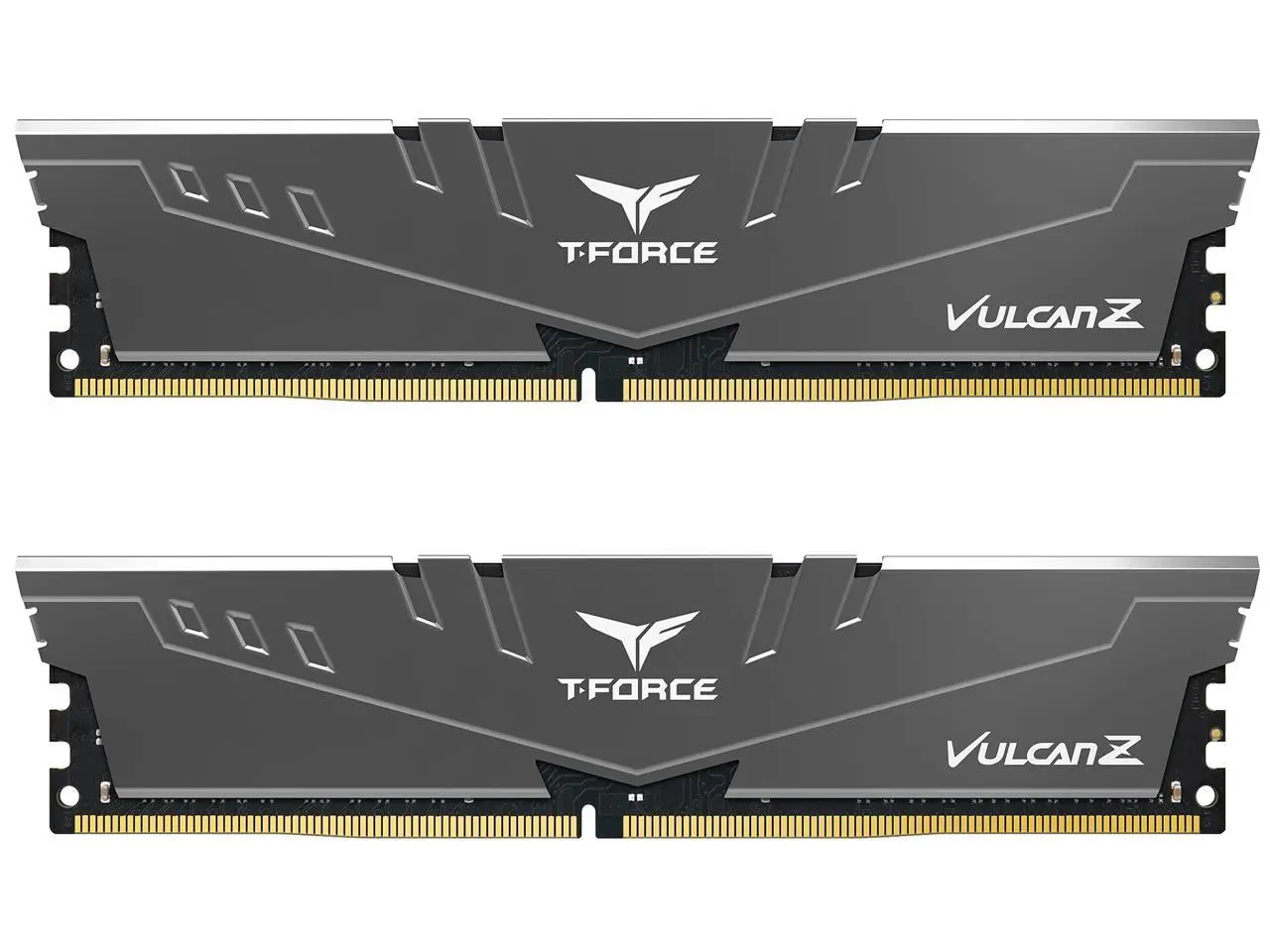
- RAM Slots: These slots hold the RAM modules, which are essential for multitasking and overall system speed.
- Expansion Slots: These include PCIe slots for graphics cards and other peripherals, allowing you to enhance your system's capabilities.
- Power Connectors: Vital for supplying power to the motherboard and connected components.
- Storage Connectors: SATA and M.2 slots for connecting hard drives and SSDs.
Understanding these mainboard parts not only helps in making informed purchasing decisions but also aids in troubleshooting and upgrades. Proven quality and customer-approved features are what you should look for when selecting a motherboard. Remember, a well-chosen motherboard can support advanced features and future upgrades, ensuring your system remains competitive. Regularly updating your knowledge about trending components will keep you ahead in the tech game.