motherboard pcb
A motherboard PCB (Printed Circuit Board) is the main circuit board in a computer that connects all components, including the CPU, RAM, and storage devices, allowing them to communicate with each other.
Featured brands
Authenticated productsVerified shops

![[Price Drop] Microsoft Xbox Elite Series 2 Wireless Controller - White Accessories Game Console](https://p16-oec-general-useast5.ttcdn-us.com/tos-useast5-i-omjb5zjo8w-tx/26fd9d10f9d447d7a42b12046f863b6d~tplv-fhlh96nyum-crop-webp:1280:960.webp?dr=12190&t=555f072d&ps=933b5bde&shp=8dbd94bf&shcp=a6e80448&idc=useast5&from=2378011839)

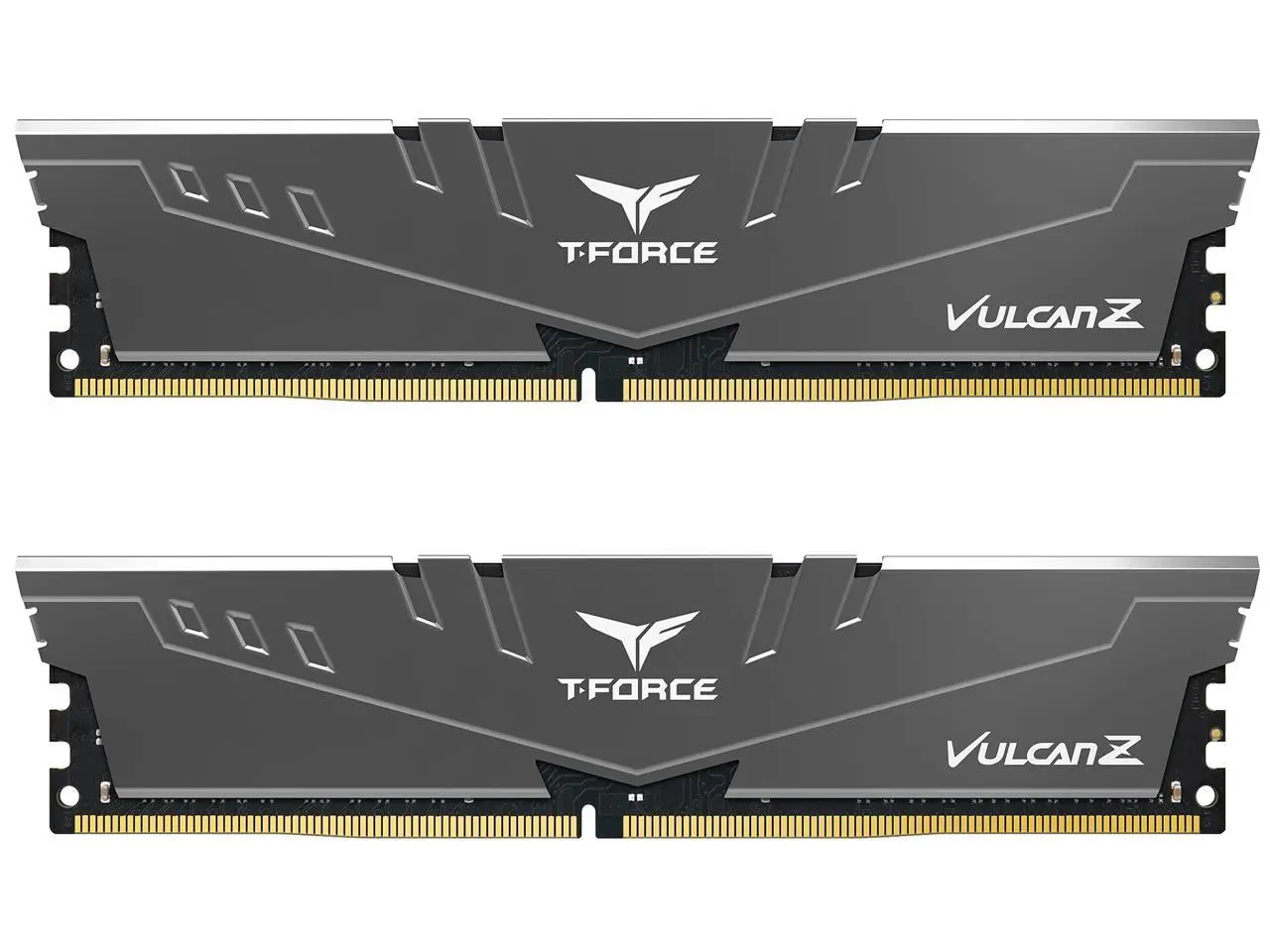


Newegg, Inc.

5.0
51 sold
-17%$86.99$104.49


Newegg, Inc.
4.5
13 sold
$106.49


Newegg, Inc.
16 sold
-16%$105.99$125.99


Related Searches
Related Categories
Introduction
The motherboard PCB is a crucial component of any computer system, acting as the backbone that connects all hardware elements. Understanding the role of a motherboard PCB can help you make informed decisions when building or upgrading your PC.
Here are some key aspects to consider:
When selecting a motherboard PCB, consider your specific needs, whether you are gaming, content creation, or simply browsing. A well-chosen motherboard can significantly enhance your computer's performance and longevity. Regularly updating your knowledge about trending products in the motherboard category can also help you stay ahead in the tech world.
Here are some key aspects to consider:
- Functionality: The motherboard PCB houses the CPU socket, RAM slots, and various connectors for storage and peripherals, ensuring smooth communication between components.
- Form Factor: Motherboards come in various sizes, such as ATX, Micro-ATX, and Mini-ITX, influencing compatibility with cases and components.
- Chipset: The chipset on the motherboard determines the compatibility with CPUs and RAM, as well as the features available, such as overclocking capabilities and the number of USB ports.
- Expansion Slots: Look for motherboards with multiple PCIe slots if you plan to add graphics cards or other expansion cards in the future.
- Quality: Proven quality is essential; choose motherboards from reputable brands known for reliability and customer-approved products.
When selecting a motherboard PCB, consider your specific needs, whether you are gaming, content creation, or simply browsing. A well-chosen motherboard can significantly enhance your computer's performance and longevity. Regularly updating your knowledge about trending products in the motherboard category can also help you stay ahead in the tech world.