Results for "matcha in japan traditional"
Matcha is a finely ground powder made from specially grown green tea leaves, traditionally used in Japanese tea ceremonies. It is known for its vibrant green color, rich flavor, and numerous health benefits.


4.9
2.5K sold
-54%$36.90$80.68


Yami. Best of Asia

4.4
1.9K sold
$25.21

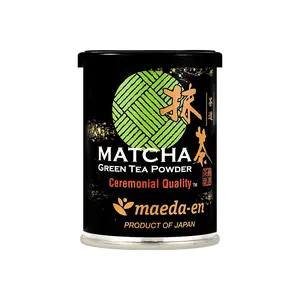
Yami. Best of Asia
5.0
29 sold
$49.85
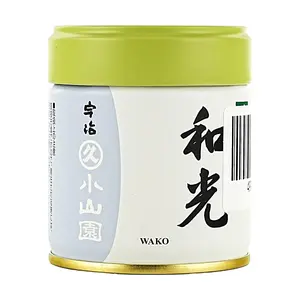


-57%$33.30$77.40


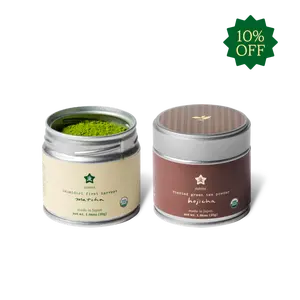


Micro Ingredients

4.5
3.2K sold
-19%$35.73$44.08


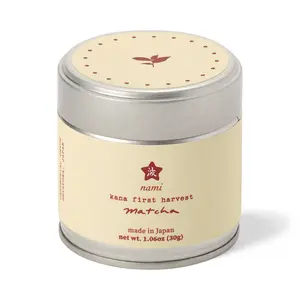


4.8
2.3K sold
-46%$33.10$61.40

4.6
60 sold
-78%$21.44$96.52


Related Searches
Related Categories
Introduction
Matcha is not just a drink; it's a cultural experience deeply rooted in Japanese tradition. Originating from the Tang Dynasty in China and later refined in Japan, matcha has become synonymous with Japanese tea ceremonies, known as 'chanoyu'. This ceremonial practice emphasizes harmony, respect, purity, and tranquility, making matcha a central element.
The preparation of matcha involves whisking the powdered tea with hot water using a bamboo whisk called a 'chasen', creating a frothy and vibrant beverage. Here are some key points about matcha in Japanese tradition:
The preparation of matcha involves whisking the powdered tea with hot water using a bamboo whisk called a 'chasen', creating a frothy and vibrant beverage. Here are some key points about matcha in Japanese tradition:
- Health Benefits: Matcha is packed with antioxidants, boosts metabolism, and enhances mood.
- Culinary Uses: Beyond tea, matcha is used in various dishes, desserts, and even smoothies.
- Quality Matters: The best matcha comes from shade-grown tea leaves, which are hand-picked and stone-ground.
- Varieties: There are different grades of matcha, with ceremonial grade being the highest quality, ideal for traditional tea ceremonies.