Results for "magnesium citrate vs hydroxide"
Magnesium citrate and magnesium hydroxide are two forms of magnesium supplements that are commonly used to support overall health and wellness. Each has unique properties and benefits, making them suitable for different health needs.






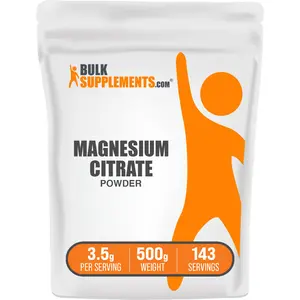
BULKSUPPLEMENTS

4.9
139 sold
$15.75


NaturalVitalityCalm

5.0
35 sold
-26%$21.03$28.39

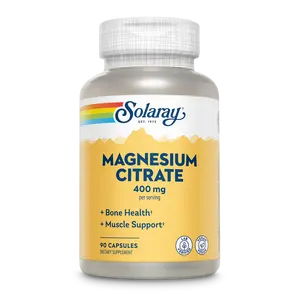


Related Searches
Related Categories
Introduction
When it comes to choosing a magnesium supplement, understanding the differences between magnesium citrate and magnesium hydroxide is essential. Magnesium citrate is a highly bioavailable form of magnesium, meaning it is easily absorbed by the body. It is often used to support digestive health and relieve constipation due to its mild laxative effect. On the other hand, magnesium hydroxide is commonly used as an antacid and is effective in neutralizing stomach acid, providing relief from heartburn and indigestion.
Here are some key points to consider when choosing between magnesium citrate and magnesium hydroxide:
Here are some key points to consider when choosing between magnesium citrate and magnesium hydroxide:
- Absorption: Magnesium citrate is generally better absorbed compared to magnesium hydroxide.
- Usage: If you're looking for a supplement to aid digestion, magnesium citrate may be the better choice, while magnesium hydroxide is ideal for heartburn relief.
- Side Effects: Both forms can cause gastrointestinal discomfort in some individuals, so it's important to start with lower doses.
- Consultation: Always consult with a healthcare professional before starting any new supplement, particularly if you have underlying health conditions.