Results for "low cortisol levels"
Low cortisol levels refer to a condition where the adrenal glands do not produce sufficient amounts of cortisol, a hormone that plays a critical role in various bodily functions, including metabolism and stress response.


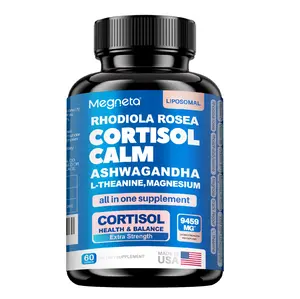
Integrative Therapeutics

4.5
346 sold
$25.75
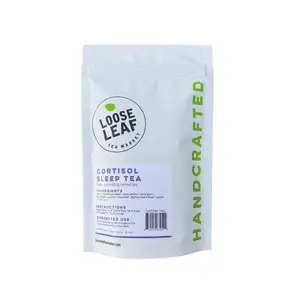
4.5
1.1K sold
-59%$18.98$46.12

![3 Bottles of Rhodiola Rosea Extract for Stress, Energy & Focus - Natural Adaptogen [500mg]](https://p16-oec-general-useast5.ttcdn-us.com/tos-useast5-i-omjb5zjo8w-tx/f60c701c6ce9459eb17e99fe58da0ebb~tplv-fhlh96nyum-crop-webp:300:300.webp?dr=12190&t=555f072d&ps=933b5bde&shp=8dbd94bf&shcp=a6e80448&idc=useast5&from=2378011839 "3 Bottles of Rhodiola Rosea Extract for Stress, Energy & Focus - Natural Adaptogen [500mg]")

Just.Ingredients
4.8
3.2K sold
-10%$44.99$49.99

Clean Nutra
4.9
464 sold
-36%$22.45$34.99


Dr. Eric Berg
4.8
196 sold
$36.99

![Clean Nutra Smooth N Soothe Bundle | Ashwagandha, Magnesium, L-Theanine, Myo-Inositol, D-Chiro, Inositol & More for Stress Relief Hormonal Balance Capsules [Corti-Gone + PCO-Gone]](https://p16-oec-general-useast5.ttcdn-us.com/tos-useast5-i-omjb5zjo8w-tx/c469d030000244adadabbd63843c9b81~tplv-fhlh96nyum-crop-webp:300:257.webp?dr=12190&t=555f072d&ps=933b5bde&shp=8dbd94bf&shcp=a6e80448&idc=useast5&from=2378011839 "Clean Nutra Smooth N Soothe Bundle | Ashwagandha, Magnesium, L-Theanine, Myo-Inositol, D-Chiro, Inositol & More for Stress Relief Hormonal Balance Capsules [Corti-Gone + PCO-Gone]")


Clean Nutra
5.0
21 sold
-39%$29.95$48.99


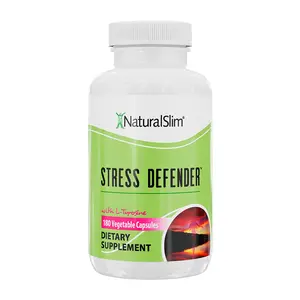
NaturalSlimUSA
4.9
1.2K sold
$36.00


NaturalVitalityCalm
4.6
122.0K sold
-53%$19.99$42.95


Clean Nutra
4.5
3.5K sold
-36%$22.45$34.99


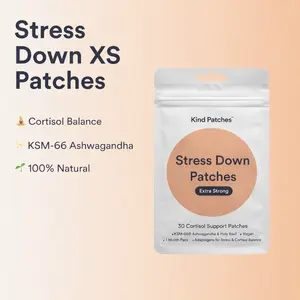
Kind Patches USA
4.7
3.6K sold
-7%$13.99$15.00


Goli Nutrition
4.7
850.1K sold
-55%$33.98$74.94
Related Searches
Related Categories
Introduction
Understanding low cortisol levels is essential for anyone looking to improve their overall health and well-being. Cortisol, often referred to as the 'stress hormone,' helps regulate various processes in the body, including metabolism, immune response, and blood pressure. Low cortisol levels can lead to a range of symptoms, including fatigue, weakness, and low blood pressure. If you're experiencing these symptoms, it's crucial to consult a healthcare professional for proper diagnosis and treatment.
Here are some common causes and insights related to low cortisol levels:
It’s important to seek guidance from a healthcare provider, as they can offer tailored advice based on your specific situation. Remember, maintaining balanced cortisol levels is vital for your overall health, and understanding this can empower you to make informed health decisions.
Here are some common causes and insights related to low cortisol levels:
- Adrenal insufficiency: A primary cause where the adrenal glands fail to produce adequate cortisol.
- Stress management: Chronic stress can disrupt cortisol production, leading to imbalances.
- Symptoms to watch: Look out for signs like fatigue, mood changes, and digestive issues.
- Diagnosis: Blood tests can help determine cortisol levels and guide treatment.
- Treatment options: Depending on the cause, treatments may include hormone replacement therapy or lifestyle changes.
It’s important to seek guidance from a healthcare provider, as they can offer tailored advice based on your specific situation. Remember, maintaining balanced cortisol levels is vital for your overall health, and understanding this can empower you to make informed health decisions.