Results for "how to compost in a bin"
Composting in a bin is an effective way to recycle organic waste into nutrient-rich soil, promoting sustainable gardening practices.


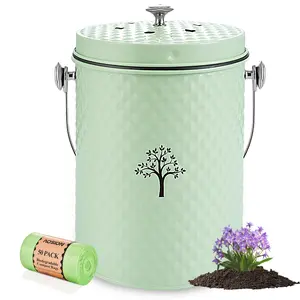
4.8
14 sold
-32%$26.63$39.14


$43.49


$21.67
Related Searches
Related Categories
Introduction
Composting in a bin is a popular method for turning kitchen scraps and yard waste into valuable compost for your garden. This process not only reduces waste but also enriches your soil with essential nutrients. To begin composting in a bin, you’ll need a designated compost bin that can be made from various materials, including wood, plastic, or metal. Here are some key steps to follow:
- Choose the right bin: Select a bin that fits your space and needs. Ensure it has proper ventilation and drainage.
- Add materials: Combine green materials like fruit scraps and grass clippings with brown materials such as dry leaves and cardboard.
- Maintain moisture: Keep your compost moist but not soggy. A good rule of thumb is to aim for the consistency of a damp sponge.
- Turn the pile: Regularly aerate your compost by turning it with a pitchfork or shovel to speed up the decomposition process.
- Monitor temperature: The compost should heat up as it decomposes. If it cools down, it may need more green materials or turning.