Compost Container
Spades & Shovels for Compost Container compared by listed specs on TikTok Shop.
Featured brands
Authenticated productsVerified shops


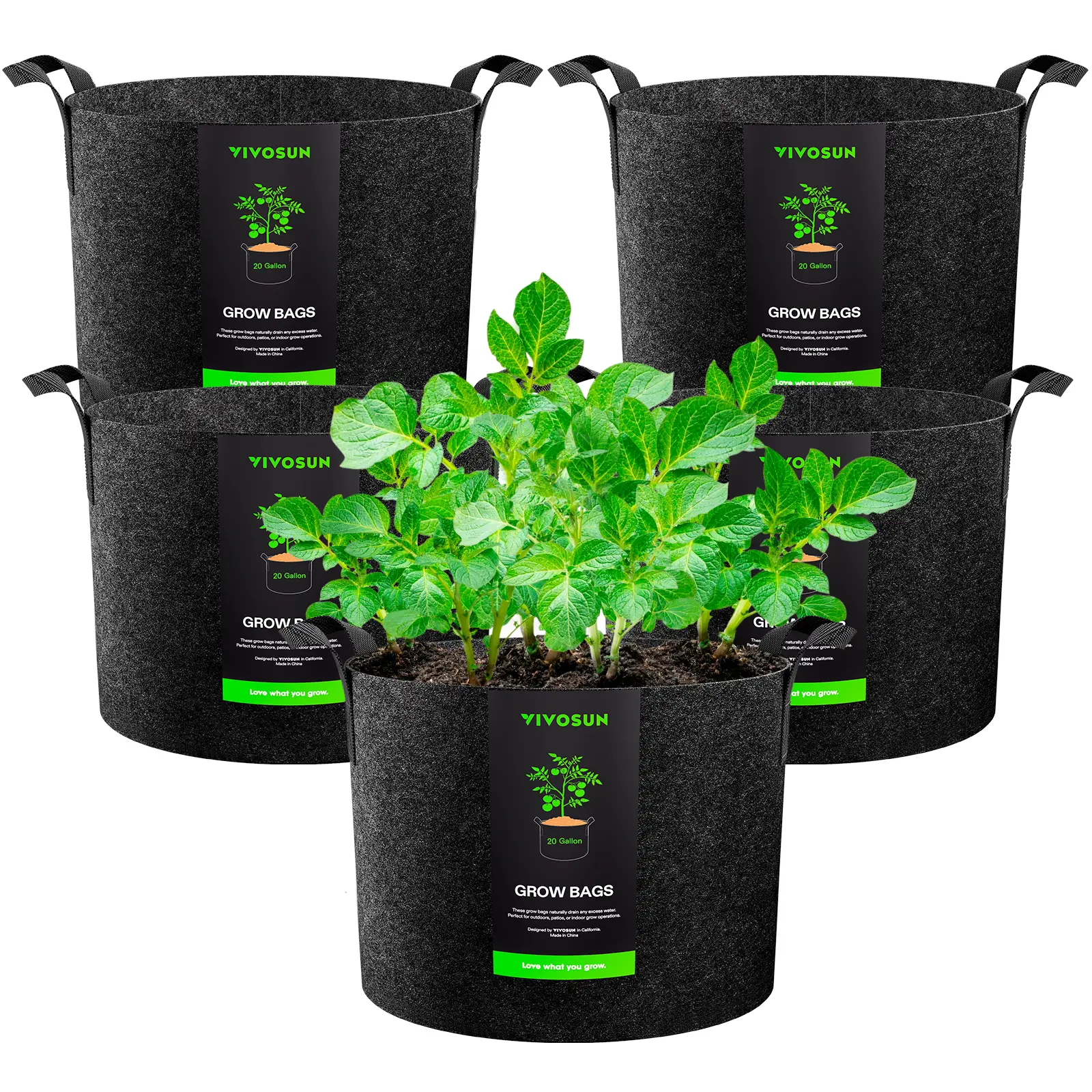


VIVOSUN US

5.0
10 sold

$79.99


![[Costway] Compost Bin, Dual Chamber 34.5 Gal Compost Tumbler with 2 Rotating Chambers, Sliding Doors, High-Volume Outdoor Garden Composter, Rotating Composting Bin for Garden Yard, BPA Free](https://p16-oec-general-useast5.ttcdn-us.com/tos-useast5-i-omjb5zjo8w-tx/59f9385632c149be99f7600b4890d7ee~tplv-fhlh96nyum-resize-webp:600:600.webp?dr=12190&t=555f072d&ps=933b5bde&shp=8dbd94bf&shcp=a6e80448&idc=useast5&from=2378011839 "[Costway] Compost Bin, Dual Chamber 34.5 Gal Compost Tumbler with 2 Rotating Chambers, Sliding Doors, High-Volume Outdoor Garden Composter, Rotating Composting Bin for Garden Yard, BPA Free")


Related Searches
Related Categories
Introduction
Spades & Shovels results for Compost Container differ by what actually ships. Match the product type, then one printed spec.
- Intended use in the photos versus a nearby lookalike.
- What is in the box versus a title that only repeats the search.
- One printed spec: size, count, format, or model, as listed for Spades & Shovels. If Compost is a variant, it should appear on the spec line.
Open two or three Spades & Shovels listings, confirm the spec that matches how you will use it, then compare prices and ratings before you buy.