Results for "curcumin vs cumin"
Curcumin and cumin are two distinct compounds derived from different plants. Curcumin is the active ingredient in turmeric, known for its anti-inflammatory and antioxidant properties, while cumin is a spice made from the seeds of the Cuminum cyminum plant, commonly used in cooking for its distinctive flavor.


BULKSUPPLEMENTS

5.0
37 sold
$23.97


4.6
429 sold
-33%$19.97$29.97


$49.00


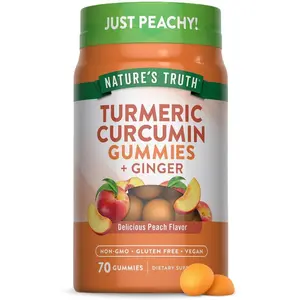
Nature’s Truth
4.7
12.0K sold
-9%$13.84$15.28
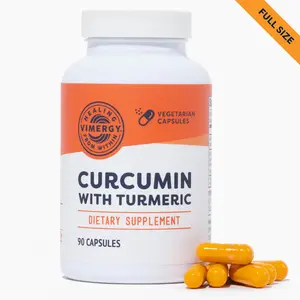
Vimergy
4.7
5 sold
$109.00


Related Searches
Related Categories
Introduction
Curcumin vs cumin is a topic that often confuses many health enthusiasts and culinary aficionados alike. While both are derived from plants, they serve different purposes and offer unique benefits. Curcumin, the primary active component of turmeric, is celebrated for its remarkable health benefits, including anti-inflammatory and antioxidant properties. It is often found in wellness supplements aimed at improving overall health and combating various ailments. On the other hand, cumin is a popular spice that adds flavor to dishes and is also known for its health benefits, such as aiding digestion and boosting the immune system.
Understanding the differences between curcumin and cumin can help you make informed choices about your diet and wellness regimen. Here are some key points to consider:
By understanding these differences, you can effectively incorporate both curcumin and cumin into your diet. Whether you choose to focus on curcumin for its health benefits or cumin for its culinary uses, both can play a role in enhancing your overall wellness. Remember to consult with a healthcare professional before starting any new supplement regimen to ensure it aligns with your health goals.
Understanding the differences between curcumin and cumin can help you make informed choices about your diet and wellness regimen. Here are some key points to consider:
- Curcumin: Found in turmeric, curcumin is often taken in supplement form for its health benefits.
- Cumin: A spice used in cooking, cumin can enhance flavor while also providing nutritional benefits.
- Health Benefits: Both curcumin and cumin have been linked to various health benefits, but curcumin is more potent in terms of anti-inflammatory effects.
- Usage: Curcumin is typically consumed in supplement form, while cumin is used as a spice in various dishes.
- Bioavailability: Curcumin has low bioavailability, meaning it is not easily absorbed by the body, while cumin is more readily utilized.
By understanding these differences, you can effectively incorporate both curcumin and cumin into your diet. Whether you choose to focus on curcumin for its health benefits or cumin for its culinary uses, both can play a role in enhancing your overall wellness. Remember to consult with a healthcare professional before starting any new supplement regimen to ensure it aligns with your health goals.