Results for "copper making"
Copper making refers to the process of extracting and refining copper from its ores, resulting in a versatile metal used in various applications.

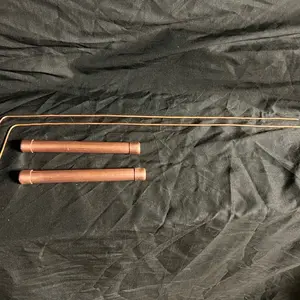

$10.00
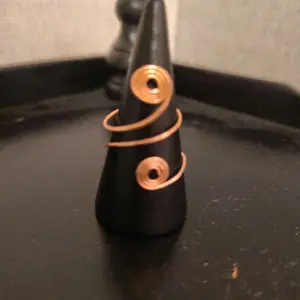
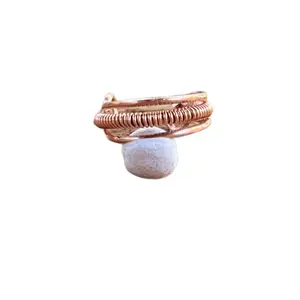



$12.99



![3.2mm Copper Ball Chain, Pure Copper Necklace, Belly Chain, Solid Copper Bracelet, Copper Anklet, Multiple Lengths Natural Copper Chain [Made-to-Order]](https://p16-oec-general-useast5.ttcdn-us.com/tos-useast5-i-omjb5zjo8w-tx/4eb8ce0fcd364d1689fbb442c3932e08~tplv-fhlh96nyum-crop-webp:300:300.webp?dr=12190&t=555f072d&ps=933b5bde&shp=8dbd94bf&shcp=a6e80448&idc=useast5&from=2378011839 "3.2mm Copper Ball Chain, Pure Copper Necklace, Belly Chain, Solid Copper Bracelet, Copper Anklet, Multiple Lengths Natural Copper Chain [Made-to-Order]")




-13%$58.95$68.00

![8mm Copper Ball Chain, Pure Copper Necklace, Belly Chain, Solid Copper Bracelet, Copper Anklet, Multiple Lengths Natural Copper Chain [Made-to-Order]](https://p16-oec-general-useast5.ttcdn-us.com/tos-useast5-i-omjb5zjo8w-tx/de66ccc799034ebeb9bb68110414f228~tplv-fhlh96nyum-crop-webp:300:300.webp?dr=12190&t=555f072d&ps=933b5bde&shp=8dbd94bf&shcp=a6e80448&idc=useast5&from=2378011839 "8mm Copper Ball Chain, Pure Copper Necklace, Belly Chain, Solid Copper Bracelet, Copper Anklet, Multiple Lengths Natural Copper Chain [Made-to-Order]")


$12.00



4.6
48 sold
-33%$12.89$19.10
Related Searches
Related Categories
Introduction
Copper making is a fascinating and essential process in the production of one of the most widely used metals in the world. This process involves extracting copper from its ores and refining it to obtain high-quality copper suitable for various applications. Copper is known for its excellent conductivity, durability, and resistance to corrosion, making it a vital material in industries such as electronics, construction, and transportation.
Users interested in copper making may be looking for information on the methods used, the environmental impact of copper production, or the various applications of copper in everyday life. Here are some key points to consider:
Users interested in copper making may be looking for information on the methods used, the environmental impact of copper production, or the various applications of copper in everyday life. Here are some key points to consider:
- Extraction Methods: Copper is primarily extracted through two methods: open-pit mining and underground mining. Each method has its advantages and challenges.
- Refining Process: After extraction, copper ore is processed through smelting and electrolysis to produce pure copper.
- Applications: Copper is used in electrical wiring, plumbing, roofing, and even in the production of copper alloys.
- Environmental Considerations: The copper making process can have significant environmental impacts, making sustainable practices essential in the industry.
- Market Demand: Understanding the market demand for copper can help businesses and individuals make informed decisions regarding its use and investment.