Results for "clay tablet"
A clay tablet is a flat piece of clay used in ancient times for writing and recording information. These tablets were often inscribed with cuneiform script and served as important historical artifacts.


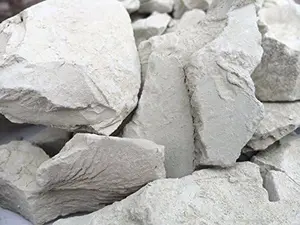


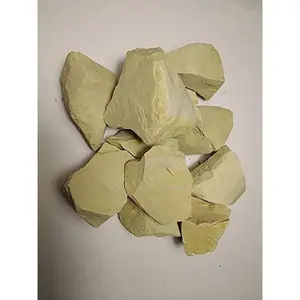
-31%$38.00$55.40


5.0
162 sold
-40%$18.33$30.56


![【LOUFOR】Air Dry Clay Kits - Modeling Clay for Kids, Ultra Light & Soft, Safe & Non-Toxic, DIY Airdryclay Kit with Sculpting Tools and Tutorials, Creatible Art Crafts Toys Gifts for Boys Girls,[XmasGifts] Plastic Gift Set,Blackfriday,Christmas](https://p16-oec-general-useast5.ttcdn-us.com/tos-useast5-i-omjb5zjo8w-tx/6cfeed65b8544ef7b0ebde0548c7ae57~tplv-fhlh96nyum-crop-webp:300:300.webp?dr=12190&t=555f072d&ps=933b5bde&shp=8dbd94bf&shcp=a6e80448&idc=useast5&from=2378011839 "【LOUFOR】Air Dry Clay Kits - Modeling Clay for Kids, Ultra Light & Soft, Safe & Non-Toxic, DIY Airdryclay Kit with Sculpting Tools and Tutorials, Creatible Art Crafts Toys Gifts for Boys Girls,[XmasGifts] Plastic Gift Set,Blackfriday,Christmas")


4.6
2.7K sold
-23%$17.00$22.05
![【LOUFOR】Air Dry Clay Kits - Modeling Clay for Kids, Ultra Light & Soft, Safe & Non-Toxic, DIY Airdryclay Kit with Sculpting Tools and Tutorials, Creatible Art Crafts Toys Gifts for Boys Girls,[XmasGifts] Plastic Gift Set,Blackfriday,Christmas](https://p19-oec-general-useast5.ttcdn-us.com/tos-useast5-i-omjb5zjo8w-tx/39ed3e3eb9a24be4be4262f830c1dcc4~tplv-fhlh96nyum-crop-webp:300:300.webp?dr=12190&t=555f072d&ps=933b5bde&shp=8dbd94bf&shcp=a6e80448&idc=useast5&from=2378011839 "【LOUFOR】Air Dry Clay Kits - Modeling Clay for Kids, Ultra Light & Soft, Safe & Non-Toxic, DIY Airdryclay Kit with Sculpting Tools and Tutorials, Creatible Art Crafts Toys Gifts for Boys Girls,[XmasGifts] Plastic Gift Set,Blackfriday,Christmas")
![【LOUFOR】Air Dry Clay Kits - Modeling Clay for Kids, Ultra Light & Soft, Safe & Non-Toxic, DIY Airdryclay Kit with Sculpting Tools and Tutorials, Creatible Art Crafts Toys Gifts for Boys Girls,[XmasGifts] Plastic Gift Set,Blackfriday,Christmas](https://p16-oec-general-useast5.ttcdn-us.com/tos-useast5-i-omjb5zjo8w-tx/5a6b40c54e2041ecb099646e3785f7fb~tplv-fhlh96nyum-crop-webp:300:300.webp?dr=12190&t=555f072d&ps=933b5bde&shp=8dbd94bf&shcp=a6e80448&idc=useast5&from=2378011839 "【LOUFOR】Air Dry Clay Kits - Modeling Clay for Kids, Ultra Light & Soft, Safe & Non-Toxic, DIY Airdryclay Kit with Sculpting Tools and Tutorials, Creatible Art Crafts Toys Gifts for Boys Girls,[XmasGifts] Plastic Gift Set,Blackfriday,Christmas")
Related Searches
Related Categories
Introduction
Clay tablets have a rich history that dates back to ancient civilizations, particularly in Mesopotamia. These tablets were made from wet clay and inscribed with various tools to record information, transactions, and stories. The significance of clay tablets lies not only in their role as a medium for communication but also in their contribution to our understanding of early human societies.
Here are some fascinating insights about clay tablets:
In essence, clay tablets are more than just artifacts; they are a window into the past, reflecting the ingenuity and creativity of early civilizations. As you explore the world of pottery and ceramics, consider the importance of these ancient writing tools and their impact on communication and culture.
Here are some fascinating insights about clay tablets:
- Durability: Once baked, clay tablets became incredibly durable, allowing them to withstand the test of time. Many have been discovered intact, providing invaluable information to historians.
- Cultural Importance: Clay tablets were used for various purposes, including administrative records, legal documents, and literary works, showcasing the complexity of ancient cultures.
- Writing Systems: The most famous writing system associated with clay tablets is cuneiform, developed by the Sumerians, which laid the groundwork for many modern alphabets.
- Archaeological Finds: Discoveries of clay tablets in archaeological sites have led to significant advancements in our understanding of ancient languages and cultures.
- Modern Relevance: Today, clay tablets are not only studied by historians but also appreciated by artists and craftsmen in pottery and ceramics, inspiring contemporary art forms.
In essence, clay tablets are more than just artifacts; they are a window into the past, reflecting the ingenuity and creativity of early civilizations. As you explore the world of pottery and ceramics, consider the importance of these ancient writing tools and their impact on communication and culture.