babychair
A baby chair is a specially designed seating option for infants and toddlers, providing comfort and safety while allowing them to sit upright during meal times or play.
Featured brands
Authenticated productsVerified shops


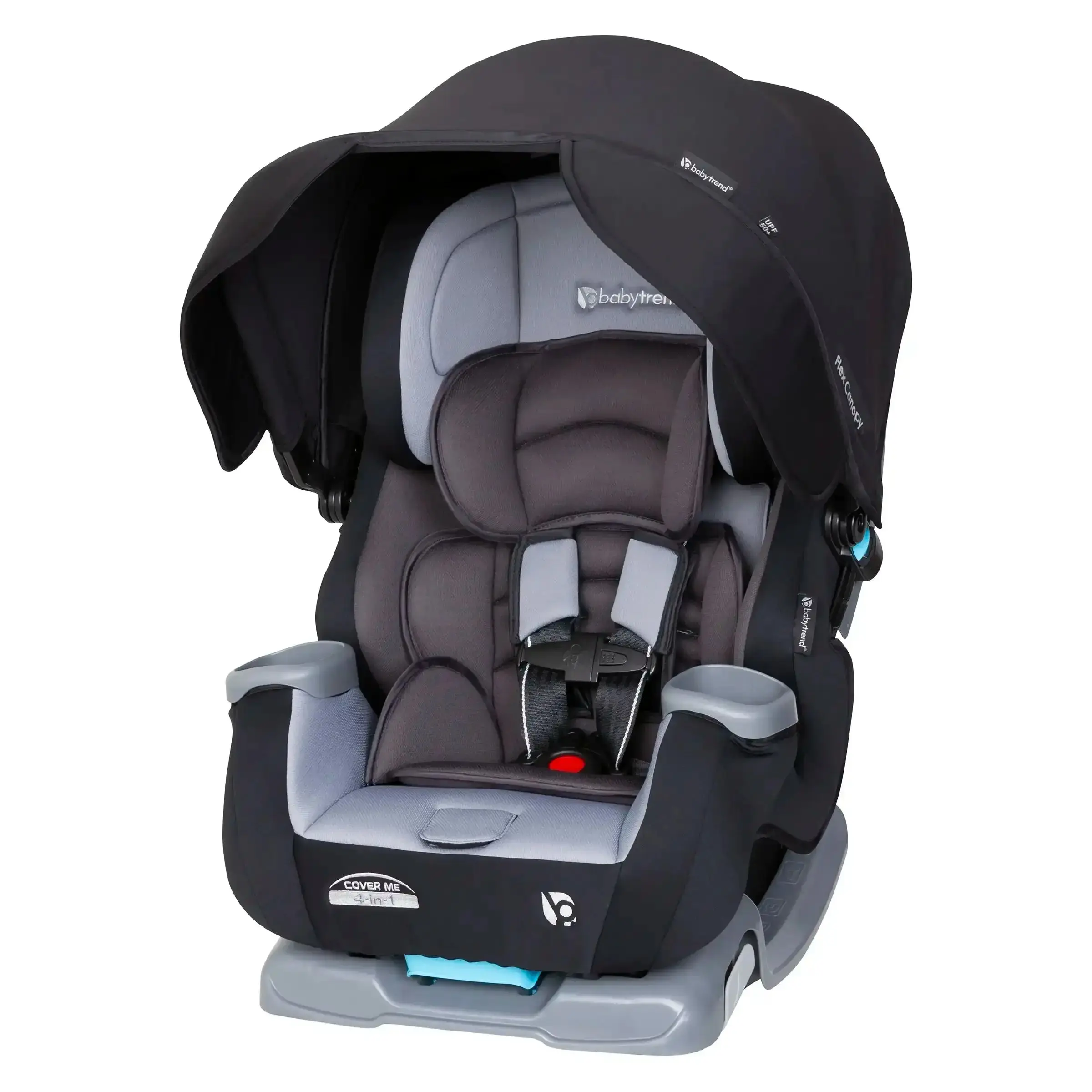





5.0
152 sold
-28%$35.99$49.99

Baby Trend Inc

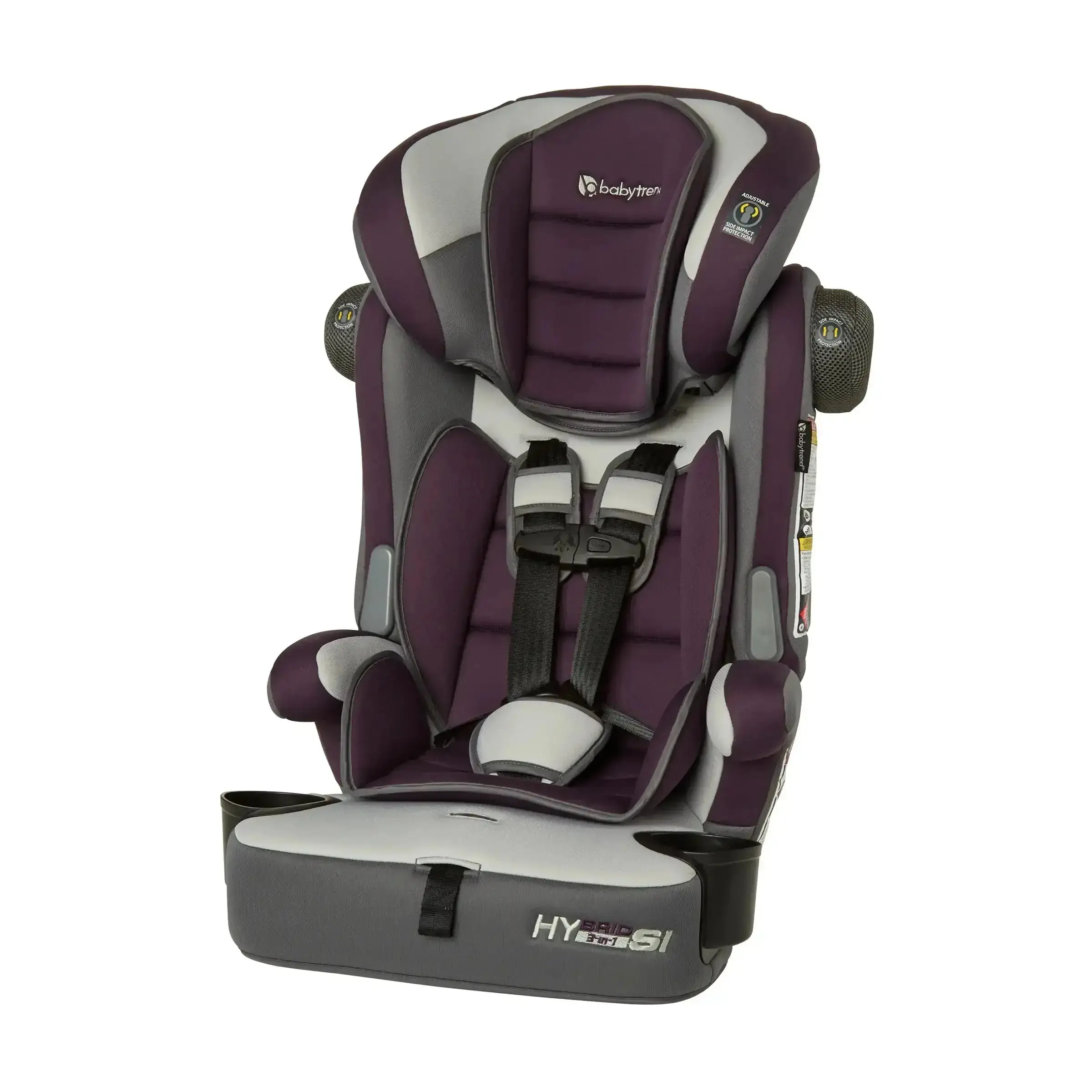
4.4
109 sold
-10%$89.99$99.99


Baby Trend Inc
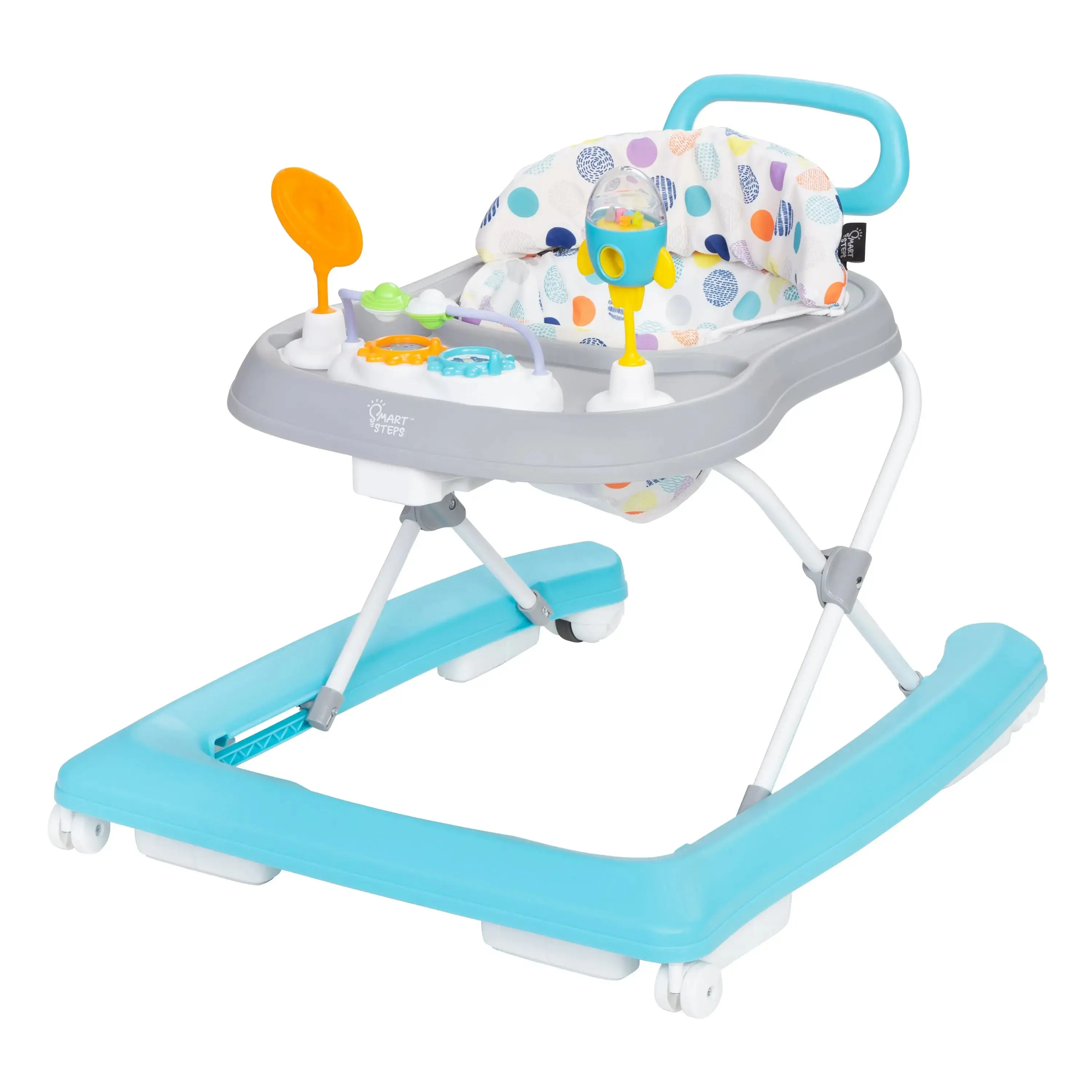
2 sold
$94.99

![[ backtoschool ] HARPPA Modern 2-in-1 Convertible High Chair for Baby & Toddlers, Neutral Tone with Easy-Clean PU Cushion, Adjustable Tray, 5-Point Harness & Pyramid Base, 7.08"/7.87" Tray, Astm F404](https://p16-oec-general-useast5.ttcdn-us.com/tos-useast5-i-omjb5zjo8w-tx/108d257600df4da2a6265c530b538ab8~tplv-fhlh96nyum-resize-webp:600:600.webp?dr=12190&t=555f072d&ps=933b5bde&shp=8dbd94bf&shcp=a6e80448&idc=useast5&from=2378011839 "[ backtoschool ] HARPPA Modern 2-in-1 Convertible High Chair for Baby & Toddlers, Neutral Tone with Easy-Clean PU Cushion, Adjustable Tray, 5-Point Harness & Pyramid Base, 7.08\"/7.87\" Tray, Astm F404")


![[Bellemave]Convertible Baby High Chair to Rocker with 5-Point Harness, Foldable Infant Feeding Chair with Silent Locking Wheels & Removable 2-Tier Easy-Clean Tray for 6M-3Yrs](https://p16-oec-general-useast5.ttcdn-us.com/tos-useast5-i-omjb5zjo8w-tx/eb62c93d4e54463e852fb717352d0f8f~tplv-fhlh96nyum-resize-webp:600:600.webp?dr=12190&t=555f072d&ps=933b5bde&shp=8dbd94bf&shcp=a6e80448&idc=useast5&from=2378011839 "[Bellemave]Convertible Baby High Chair to Rocker with 5-Point Harness, Foldable Infant Feeding Chair with Silent Locking Wheels & Removable 2-Tier Easy-Clean Tray for 6M-3Yrs")

Baby Trend Inc
5.0
5 sold
$119.99


Related Searches
Related Categories
Introduction
When it comes to ensuring your little one's comfort and safety, a baby chair is an essential addition to your home. Baby chairs are designed to support infants and toddlers as they learn to sit up, eat, and engage in play. These chairs come in various styles, including high chairs, booster seats, and activity chairs, each catering to different stages of your child's development.
Choosing the right baby chair can greatly enhance your child's dining experience and provide a secure place for them to explore their surroundings. Here are some key features to consider when selecting a baby chair:
Baby chairs are not only practical but also come in stylish designs that can complement your home decor. With proven quality and customer-approved options available, you can trust that you are making a wise investment in your child's comfort and safety. Regularly updating your knowledge on trending baby chair features can help you choose the best option for your child's needs.
Choosing the right baby chair can greatly enhance your child's dining experience and provide a secure place for them to explore their surroundings. Here are some key features to consider when selecting a baby chair:
- Safety: Look for chairs with a sturdy base and safety harnesses to keep your baby secure.
- Adjustability: Many baby chairs offer adjustable heights and reclining positions to grow with your child.
- Easy to Clean: Opt for materials that are easy to wipe down or machine washable.
- Portability: Some baby chairs are lightweight and foldable, making them easy to transport.
Baby chairs are not only practical but also come in stylish designs that can complement your home decor. With proven quality and customer-approved options available, you can trust that you are making a wise investment in your child's comfort and safety. Regularly updating your knowledge on trending baby chair features can help you choose the best option for your child's needs.