aquaculture filter
Aquaculture filters are specialized filtration systems designed to maintain water quality in aquaculture environments. They help remove debris, toxins, and harmful bacteria, ensuring a healthy habitat for aquatic life.


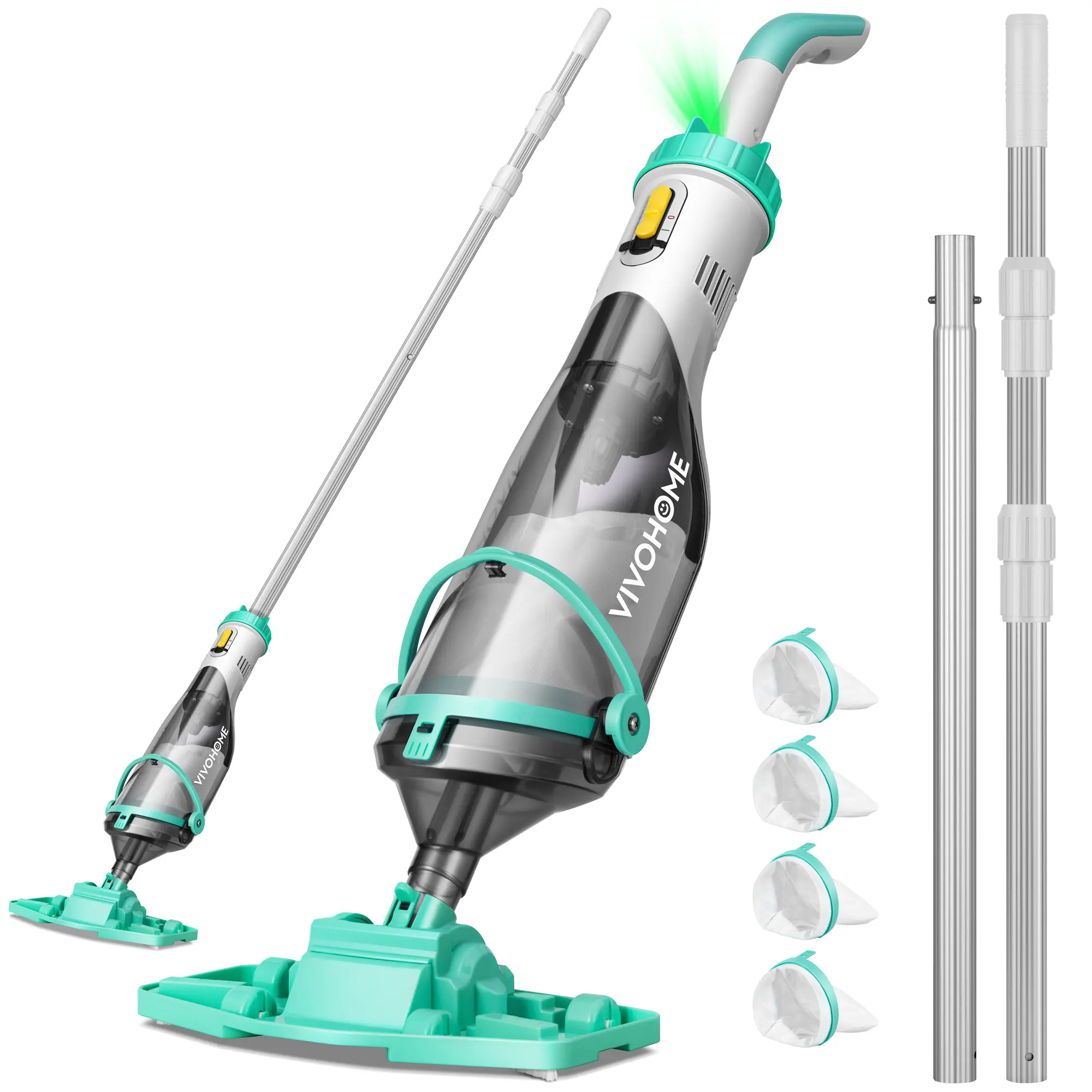


Introduction
Aquaculture filters play a crucial role in maintaining the health and sustainability of aquatic ecosystems. These filters are essential for anyone involved in aquaculture, as they ensure clean and safe water for fish and other aquatic organisms. Utilizing an effective aquaculture filter can lead to improved growth rates and overall health of your aquatic stock.
When selecting an aquaculture filter, consider the following:
- Type of Filter: Choose from mechanical, biological, or chemical filters based on your specific needs.
- Flow Rate: Ensure the filter can handle the volume of water in your system.
- Maintenance: Look for filters that are easy to clean and maintain to ensure optimal performance.
- Size: Ensure the filter is appropriately sized for your aquaculture setup.
With proven quality and customer-approved designs, aquaculture filters are trusted by thousands of aquarists and fish farmers. Regular maintenance and monitoring of your filter system can prevent common issues such as algae blooms and water quality deterioration, allowing for a thriving aquatic environment.
Investing in a high-quality aquaculture filter not only enhances the well-being of your aquatic life but also contributes to a more sustainable aquaculture practice. Explore our range of aquaculture filters to find the perfect fit for your setup!