Results for "1900s bathing suits"
1900s bathing suits refer to the swimwear styles that were popular during the early 20th century, characterized by modest designs and often made from heavy fabrics.






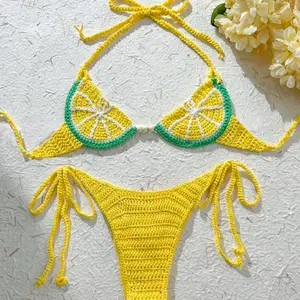

$50.00


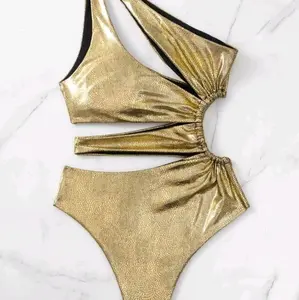
$45.99


Related Searches
Related Categories
Introduction
The evolution of swimwear has seen significant changes over the decades, and 1900s bathing suits are a fascinating part of that history. During the early 1900s, bathing suits were designed to prioritize modesty and comfort, often featuring full-length designs that covered much of the body. These suits were typically made from thick, woolen materials, which were quite different from today's lightweight and revealing bikinis. As fashion evolved, so did the concept of swimwear, paving the way for the emergence of bikinis in the mid-20th century.
Understanding the history of 1900s bathing suits provides insight into how societal norms and fashion trends have changed over time. Here are some key points about these early swimwear styles:
Understanding the history of 1900s bathing suits provides insight into how societal norms and fashion trends have changed over time. Here are some key points about these early swimwear styles:
- **Design:** 1900s bathing suits often included high necklines, long sleeves, and shorts or skirts that extended to the knees.
- **Materials:** The fabric used was heavy and often made from wool, which was practical for the time but not ideal for swimming.
- **Cultural Influence:** Bathing suits reflected the modesty expected in society, with many women wearing bloomers underneath.
- **Transition to Bikinis:** The evolution of swimwear led to the introduction of the bikini in the 1940s, which drastically changed how women approached beach fashion.