workstation ergonomics
Workstation ergonomics refers to the science of designing a workspace that optimizes comfort, efficiency, and productivity while minimizing the risk of injury. It involves the arrangement of furniture, equipment, and tools to fit the user's needs.
Featured brands
Authenticated productsVerified shops







Related Searches
Related Categories
Introduction
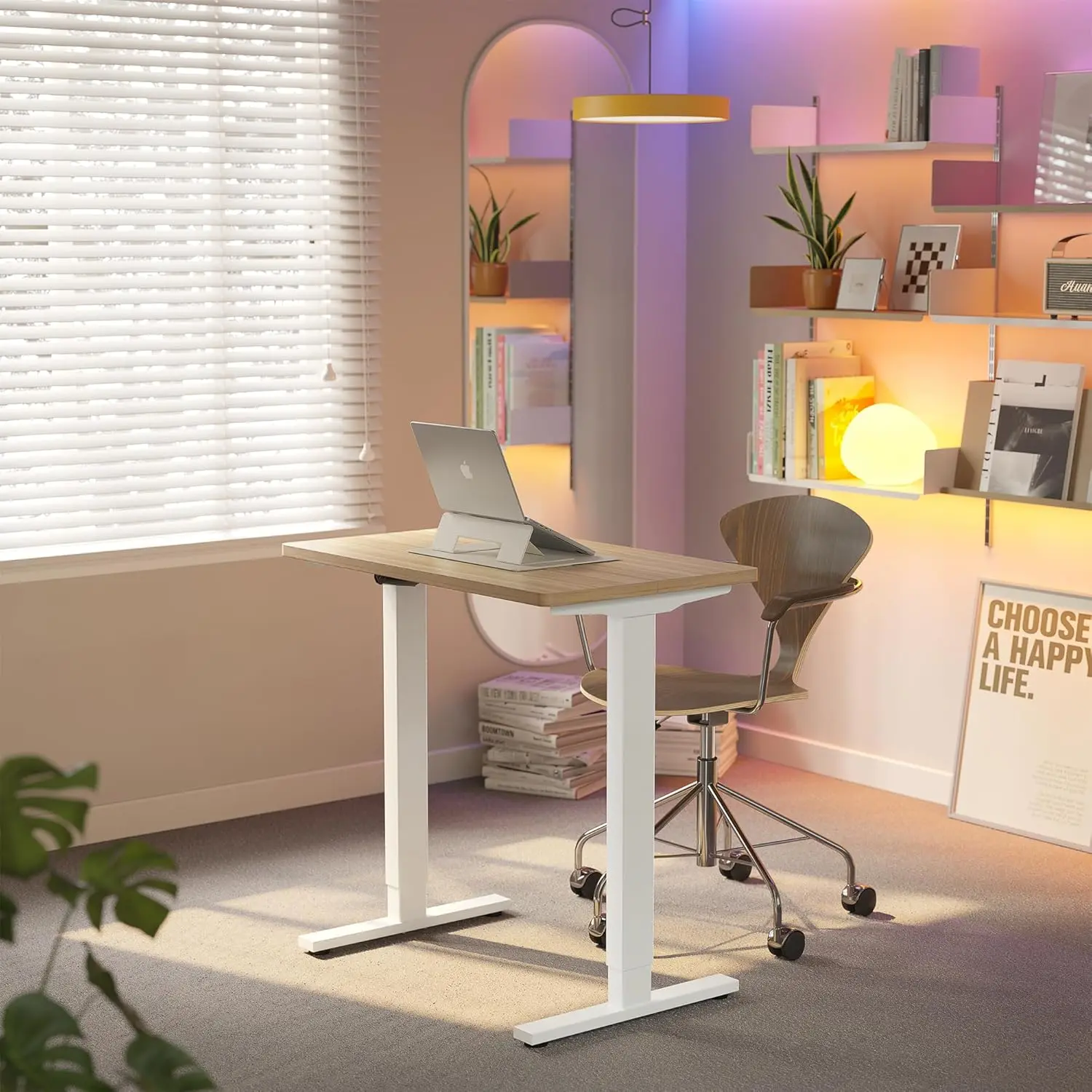
In today's fast-paced work environment, understanding workstation ergonomics is crucial for maintaining health and productivity. Workstation ergonomics focuses on designing a workspace that not only enhances comfort but also improves overall efficiency. When considering your workspace, it's essential to ensure that your chair, desk, and equipment are all positioned correctly to prevent strain and injuries.
Here are some key aspects of workstation ergonomics to keep in mind:
Here are some key aspects of workstation ergonomics to keep in mind:
- Chair Height: Your chair should allow your feet to rest flat on the floor, with your knees at a 90-degree angle.
- Desk Setup: The height of your desk should enable your elbows to remain close to your body and at a 90-degree angle while typing.
- Monitor Position: Your monitor should be at eye level, about an arm's length away, to reduce neck strain.
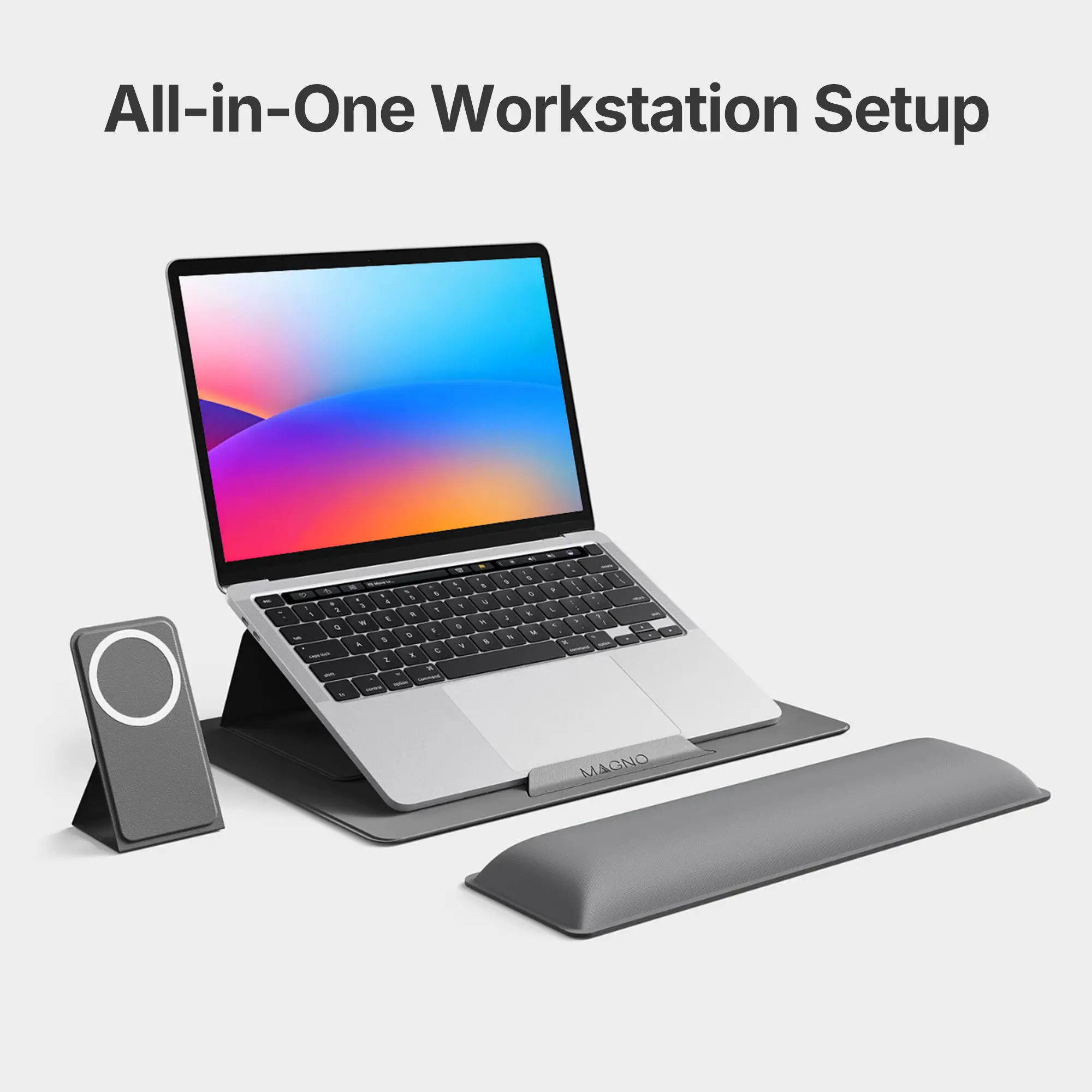
- Keyboard and Mouse Placement: These should be positioned so your wrists remain straight and your hands are at or below elbow level.