Wire
Wire refers to a long, thin strand of metal used for various purposes, including electrical wiring, crafting, and construction. It is an essential component in numerous applications, providing conductivity, support, and connectivity.
Featured brands
Authenticated productsVerified shops



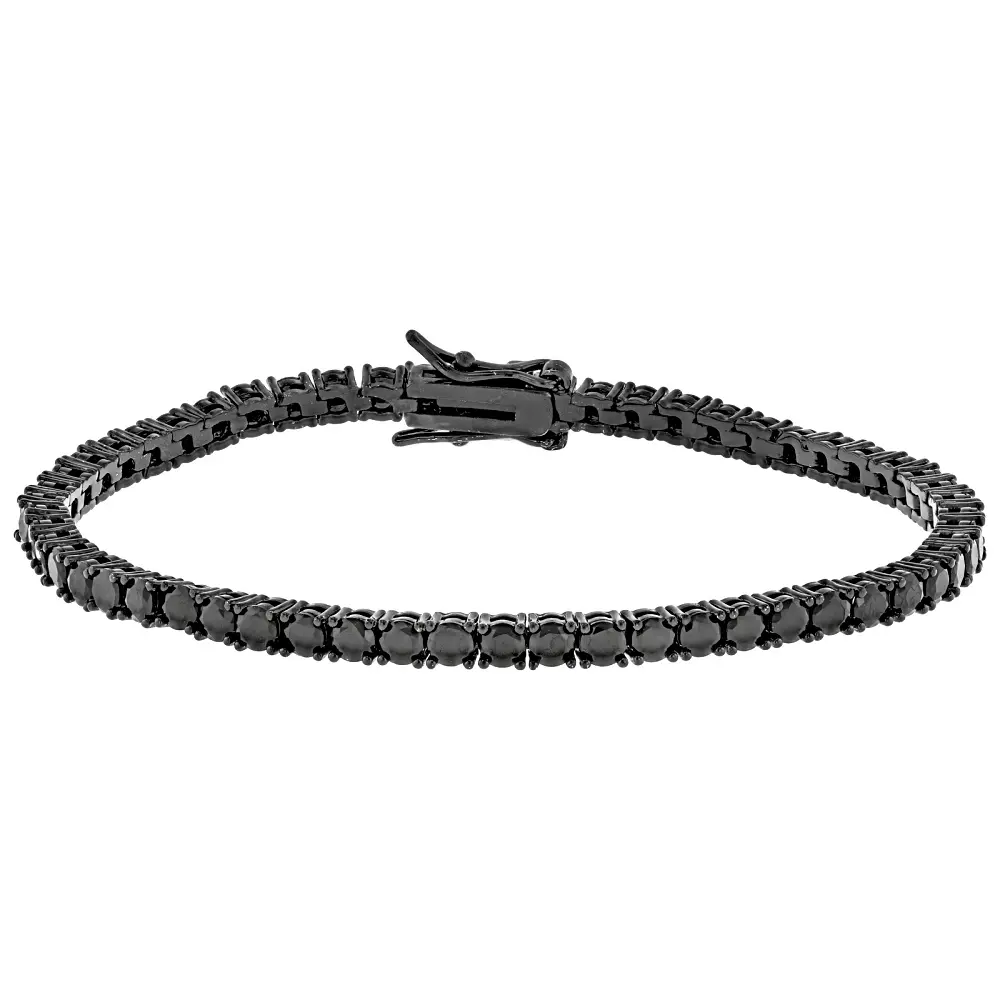


JTV

1 sold
-5%$18.99$19.99


Related Searches
Related Categories
Introduction
When it comes to purchasing wires, understanding the different types and their applications is crucial. Wires are not just simple metal strands; they play a vital role in electrical systems, crafting projects, and various construction tasks. Whether you're looking for electrical wire for your home, craft wire for DIY projects, or specialty wire for industrial uses, knowing the right type can make all the difference.
Here are some key considerations when selecting the right wire:
Here are some key considerations when selecting the right wire:
- Material: Wires can be made from copper, aluminum, or other metals. Copper is known for its excellent conductivity, making it a popular choice for electrical applications.
- Gauge: The thickness of the wire, measured in gauge, affects its current-carrying capacity. Thicker wires can handle more current, which is crucial for safety and efficiency.
- Insulation: Many wires come with insulation to protect against electrical shocks and short circuits. Understanding the insulation type is important for safety.
- Application: Different wires serve different purposes. For example, stranded wire is flexible and ideal for moving applications, while solid wire is often used in fixed installations.