will collagen make me constipated
Collagen is a protein that plays a vital role in maintaining skin elasticity, joint health, and overall bodily functions. It is commonly consumed as a dietary supplement to support beauty and wellness.
Featured brands
Authenticated productsVerified shops


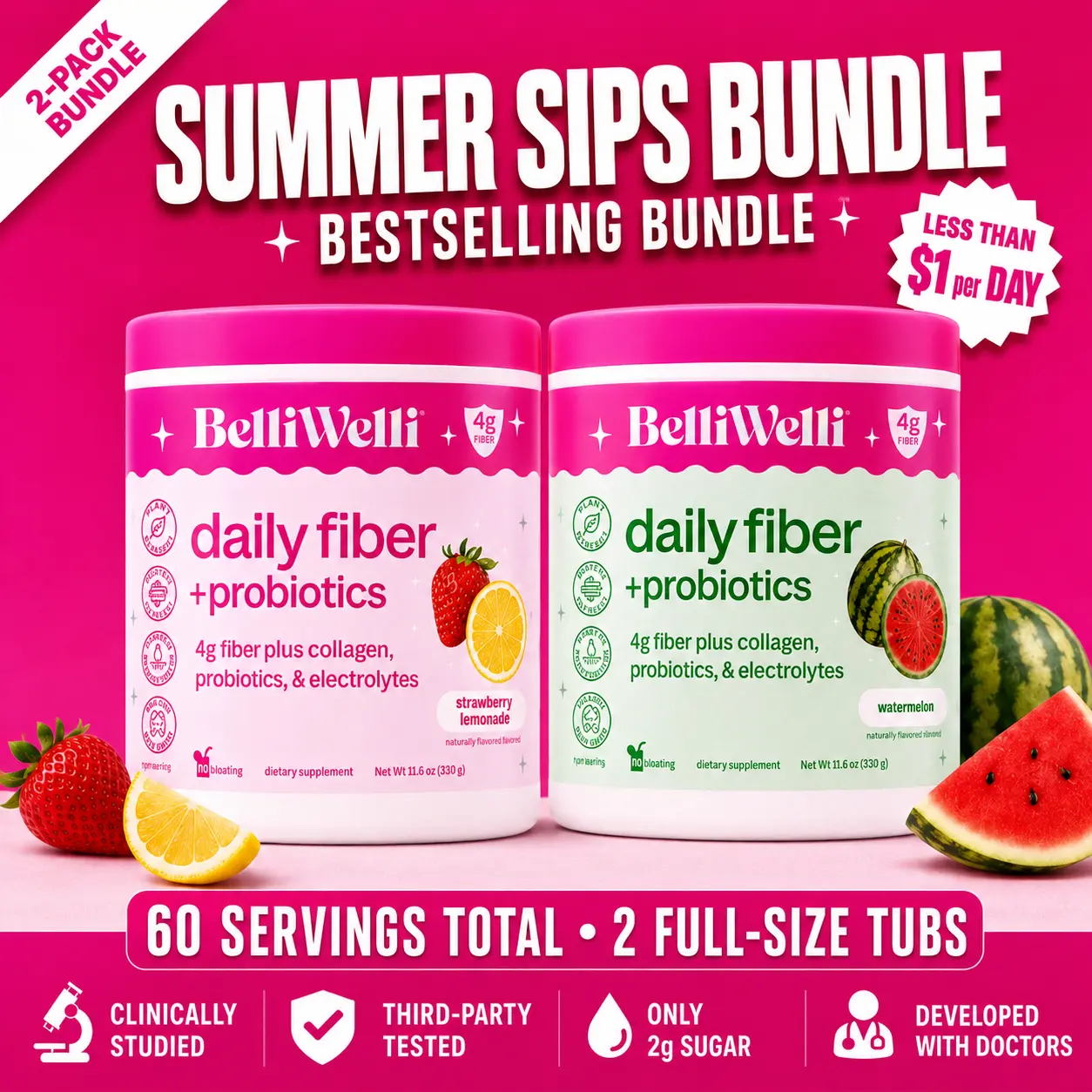
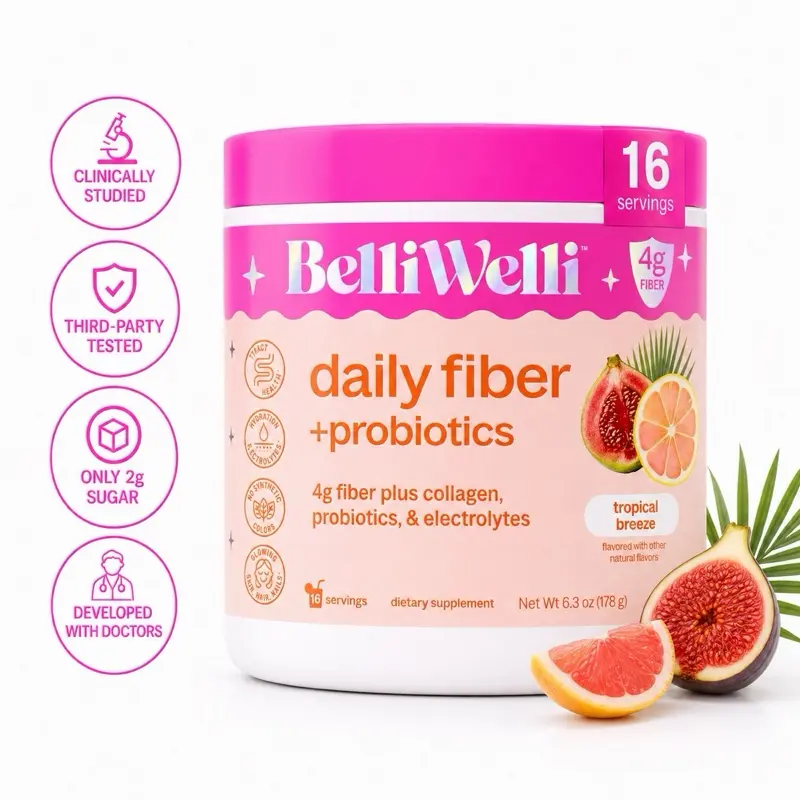
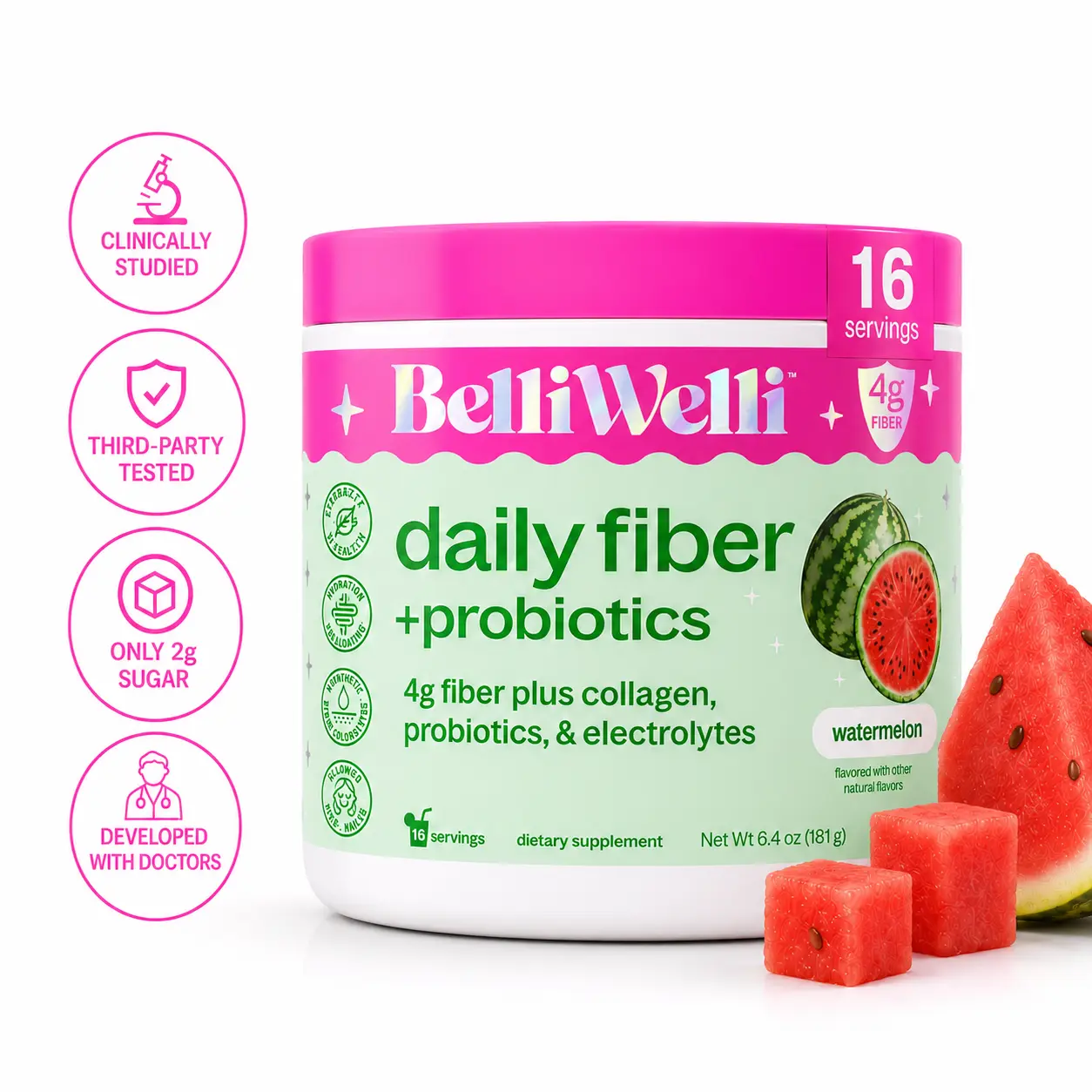
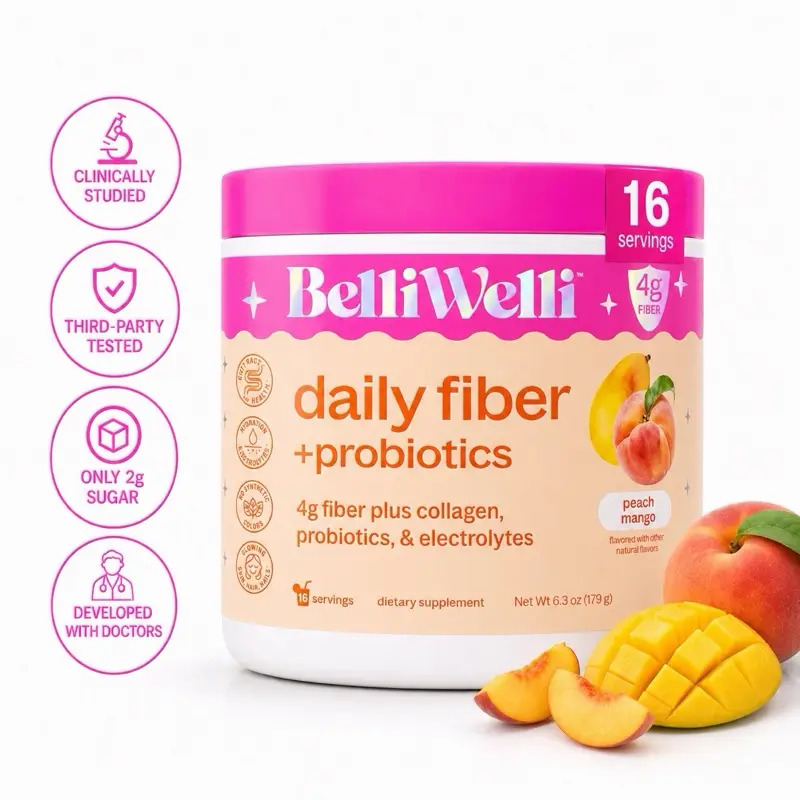


NeoCell Collagen

4.7
776.2K sold
$34.99

![Salud 2-in-1 [Skin + Beauty] Drink Mix Packets, Collagen Peptides with Verisol, Hyaluronic Acid, Vitamin C, Biotin + Lustriva, Beauty Drink Packets, Hydration Sticks, Gluten Free, For Men & Women, (15 Servings)](https://p16-oec-general-useast5.ttcdn-us.com/tos-useast5-i-omjb5zjo8w-tx/396d3098687843dea4e6d22a48c36943~tplv-fhlh96nyum-resize-webp:600:600.webp?dr=12190&t=555f072d&ps=933b5bde&shp=8dbd94bf&shcp=a6e80448&idc=useast5&from=2378011839 "Salud 2-in-1 [Skin + Beauty] Drink Mix Packets, Collagen Peptides with Verisol, Hyaluronic Acid, Vitamin C, Biotin + Lustriva, Beauty Drink Packets, Hydration Sticks, Gluten Free, For Men & Women, (15 Servings)")

Toplux Nutrition

4.5
327.4K sold
-30%$20.96$29.97
![[FOODOLOGY] Coleology Cutting Jelly 60days - Garcinia Cambogia (HCA), Chia Seeds Collagen, Hyaluronic Acid, Pomegranate Flavored 8.81 oz /10 Sticks](https://p16-oec-general-useast5.ttcdn-us.com/tos-useast5-i-omjb5zjo8w-tx/9a1866943b064dcbb0954701cafef0c3~tplv-fhlh96nyum-resize-webp:600:600.webp?dr=12190&t=555f072d&ps=933b5bde&shp=8dbd94bf&shcp=a6e80448&idc=useast5&from=2378011839 "[FOODOLOGY] Coleology Cutting Jelly 60days - Garcinia Cambogia (HCA), Chia Seeds Collagen, Hyaluronic Acid, Pomegranate Flavored 8.81 oz /10 Sticks")

Vital Proteins Shop
4.5
21.7K sold
$24.99

O Positiv
4.3
187 sold
$114.00


Micro Ingredients
4.7
1.4M sold
-10%$34.95$38.95


![Salud 2-in-1 [Skin + Beauty - Trio] Collagen Peptides Drink Mix with Verisol, Hyaluronic Acid, Vitamin C, Biotin + Lustriva, Beauty Hydration Sticks, Gluten Free, For Men & Women (3-Pack, 45 Servings)](https://p16-oec-general-useast5.ttcdn-us.com/tos-useast5-i-omjb5zjo8w-tx/e7d7fb3c0130460eaf0b9357ed416443~tplv-fhlh96nyum-resize-webp:600:600.webp?dr=12190&t=555f072d&ps=933b5bde&shp=8dbd94bf&shcp=a6e80448&idc=useast5&from=2378011839 "Salud 2-in-1 [Skin + Beauty - Trio] Collagen Peptides Drink Mix with Verisol, Hyaluronic Acid, Vitamin C, Biotin + Lustriva, Beauty Hydration Sticks, Gluten Free, For Men & Women (3-Pack, 45 Servings)")

NeoCell Collagen
4.6
356 sold
$16.98


![[FOODOLOGY] Coleology Bowel Movement Jelly | Gut Comfort Relieves Bloating and Supports more Comfortable Grape-Flavored Jelly Sticks,Fiber Supplement , Garcinia Cambogia, Collagen, Chia Seeds-1 Pack of 10](https://p16-oec-general-useast5.ttcdn-us.com/tos-useast5-i-omjb5zjo8w-tx/0a3aa428921343a49a7b2da12ac22b98~tplv-fhlh96nyum-resize-webp:600:600.webp?dr=12190&t=555f072d&ps=933b5bde&shp=8dbd94bf&shcp=a6e80448&idc=useast5&from=2378011839 "[FOODOLOGY] Coleology Bowel Movement Jelly | Gut Comfort Relieves Bloating and Supports more Comfortable Grape-Flavored Jelly Sticks,Fiber Supplement , Garcinia Cambogia, Collagen, Chia Seeds-1 Pack of 10")


Micro Ingredients
4.8
6.8K sold
-29%$86.07$120.85


Micro Ingredients
4.7
370.6K sold
-17%$24.95$29.95
Related Searches
Related Categories
Introduction
Collagen supplements have gained immense popularity in the beauty and wellness industry, primarily for their potential to improve skin elasticity, reduce wrinkles, and support joint health. However, many people wonder about the side effects of collagen, particularly whether it can cause constipation. While collagen itself is not known to cause constipation, some users report digestive issues when they first start taking it. This could be due to the body adjusting to the increased protein intake or other ingredients in collagen products. To minimize any discomfort, it is essential to stay hydrated and consume collagen as part of a balanced diet. Here are some key points to consider when incorporating collagen into your routine:
- Start with a lower dose and gradually increase it to allow your body to adjust.
- Ensure you drink plenty of water to aid digestion and prevent constipation.
- Combine collagen with fiber-rich foods to support digestive health.
- Consult with a healthcare professional if you experience persistent digestive issues.