Results For "What does creatine do affects and disadvantages"
Creatine is a naturally occurring compound found in muscle cells that helps produce energy during high-intensity exercise or heavy lifting. It is commonly used as a fitness supplement to enhance athletic performance and muscle growth.


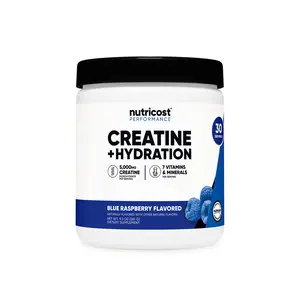
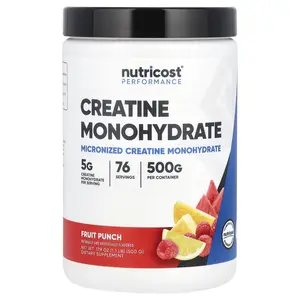
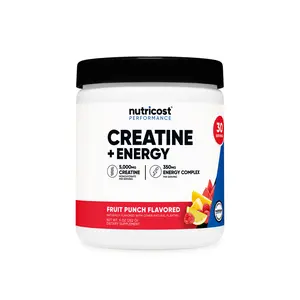
Nutricost

4.3
530 sold
$19.97






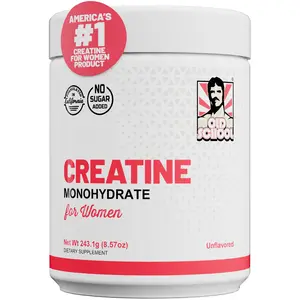
OLD SCHOOL LABS
4.6
199.4K sold
-25%$29.99$39.99


BrainMD
4.8
4.4K sold
-15%$29.70$34.95


Cutler Nutrition

4.7
8.4K sold
-35%$38.99$60.00


Bloom Nutrition
4.7
78.0K sold
-43%$16.99$29.99

Micro Ingredients
4.6
3.7K sold
-14%$29.95$34.95

Micro Ingredients
4.8
7.9K sold
-18%$22.95$27.95

Related Searches
Introduction
Creatine is one of the most researched and popular fitness supplements available today. It plays a crucial role in energy production within the muscles, particularly during short bursts of high-intensity activities such as sprinting or weightlifting. Many athletes and fitness enthusiasts take creatine to improve their performance, increase strength, and promote muscle growth. By supplementing with creatine, users can experience enhanced energy levels, allowing for more intense workouts and better overall results.
Some of the key benefits of creatine include:
Some of the key benefits of creatine include:
- Increased muscle mass
- Improved strength and power output
- Enhanced recovery after exercise
- Better performance in high-intensity training
- Water retention, leading to temporary
- Gastrointestinal discomfort
- Muscle cramping