training shoe
Training shoes are specialized footwear designed to provide support, comfort, and traction during various physical activities, such as running, gym workouts, or sports training. They are essential for enhancing performance and preventing injuries.
Featured brands
Authenticated productsVerified shops


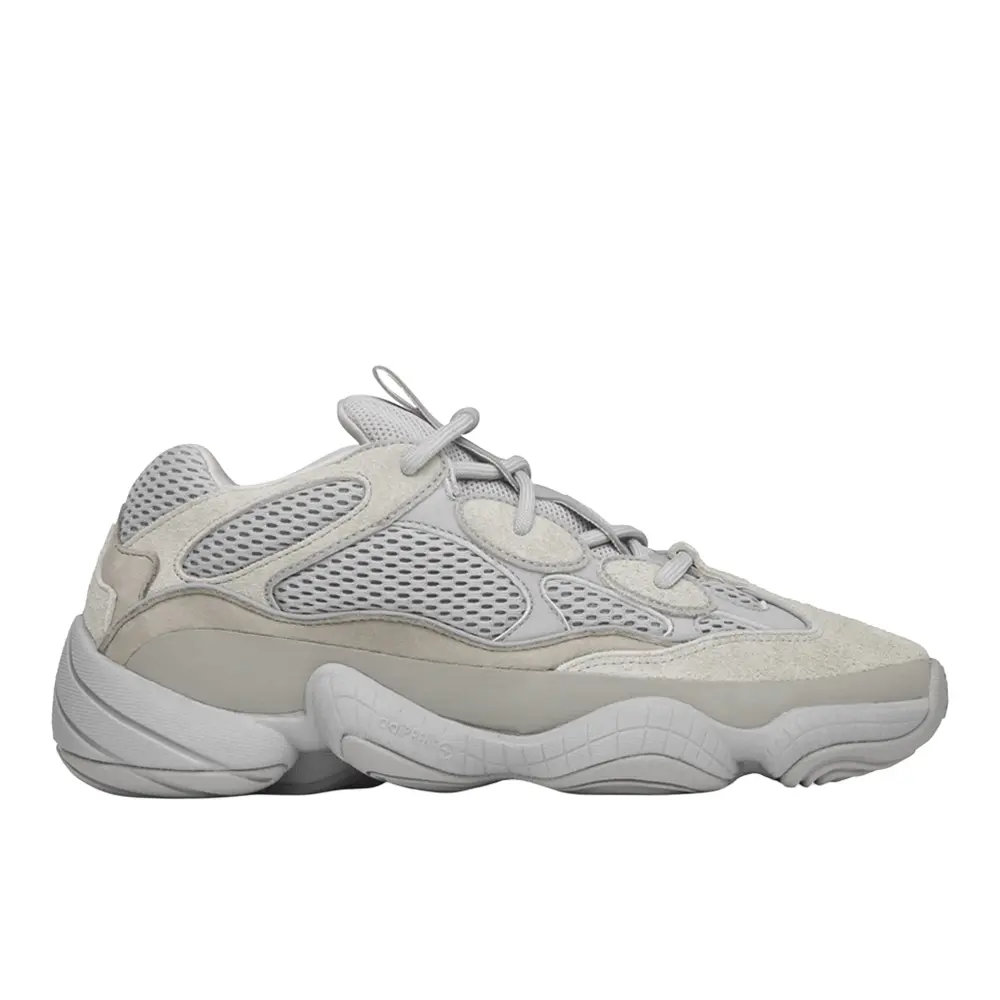

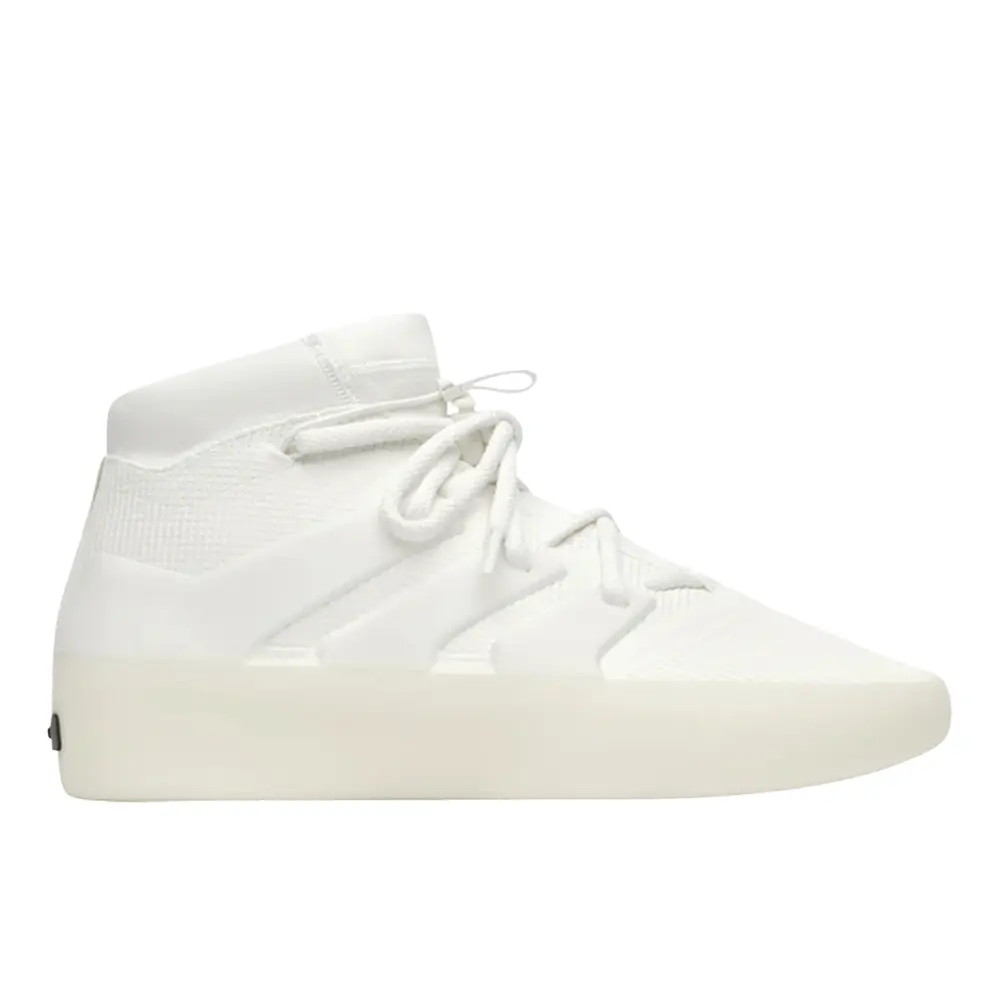

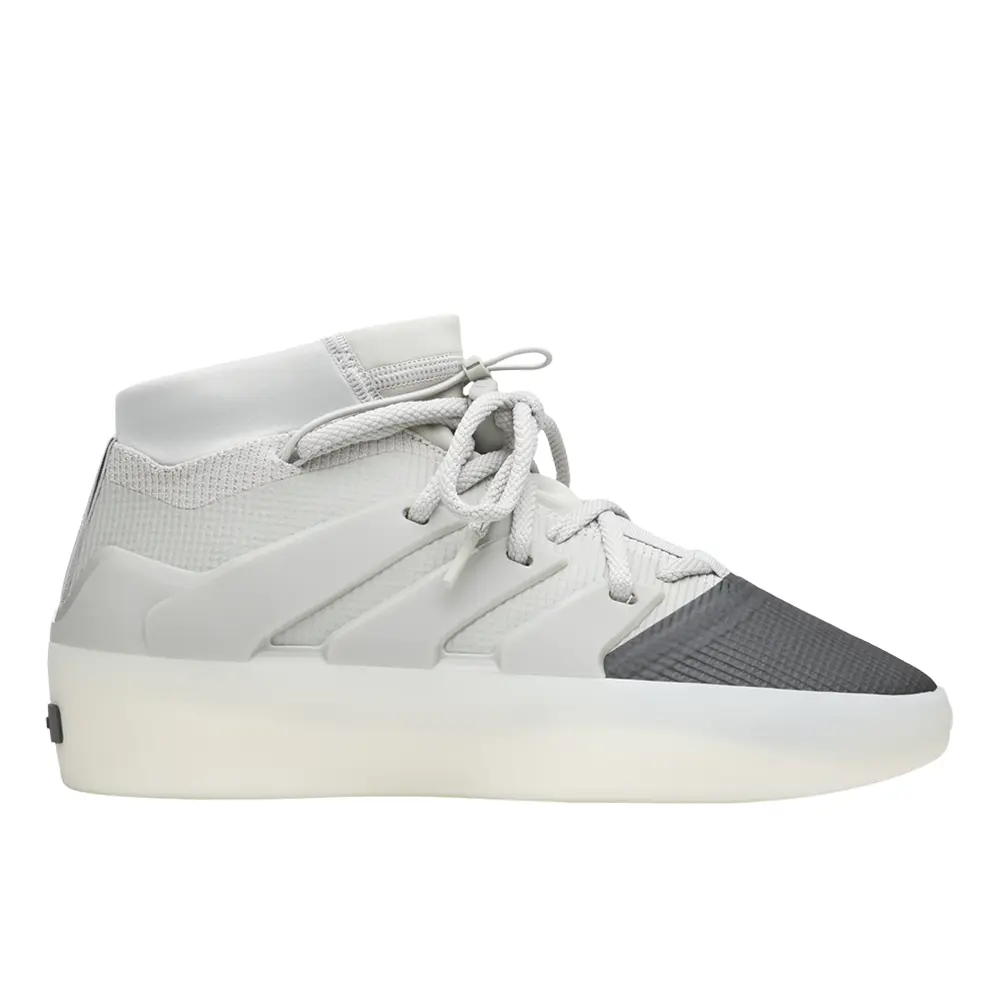
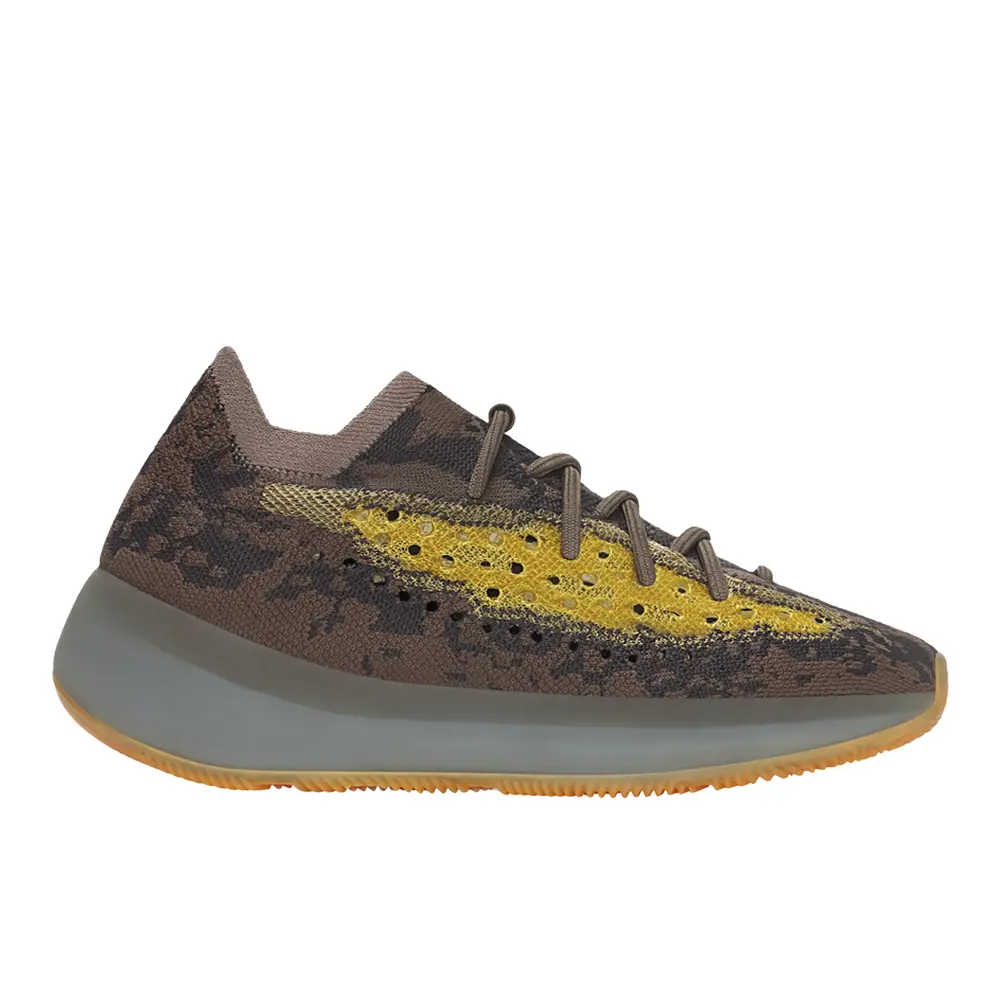


3 sold
-57%$115.23$266.00


Related Searches
Related Categories
Introduction
When it comes to training shoes, the right pair can make all the difference in your workout experience. Training shoes are specifically designed to support your feet during a variety of physical activities, from weightlifting to aerobic exercises. They offer features such as cushioning, stability, and grip, which are crucial for maximizing your performance and minimizing the risk of injury.
Whether you're hitting the gym or going for a run, investing in high-quality training shoes is essential. Here are some key points to consider:
In conclusion, selecting the right training shoes tailored to your specific needs is vital for enhancing your workout experience and achieving your fitness goals. Don't compromise on quality when it comes to your training gear!
Whether you're hitting the gym or going for a run, investing in high-quality training shoes is essential. Here are some key points to consider:
- Comfort: Look for shoes that provide a snug fit without being too tight. Ample cushioning is also important for absorbing impact.
- Support: Choose shoes that offer good arch support to help prevent injuries during intense workouts.
- Traction: A solid grip on the sole is crucial for maintaining stability, especially during dynamic movements.
- Breathability: Materials that allow air circulation can help keep your feet cool and reduce moisture buildup.
In conclusion, selecting the right training shoes tailored to your specific needs is vital for enhancing your workout experience and achieving your fitness goals. Don't compromise on quality when it comes to your training gear!