Results for "traditional asian dress"
Traditional Asian dress refers to the various styles of clothing that are culturally significant in different Asian countries. These garments often reflect the history, customs, and values of the people.

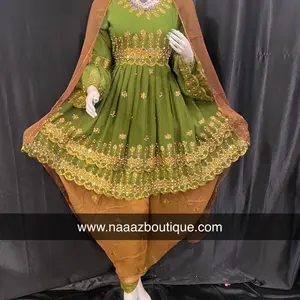

$25.76


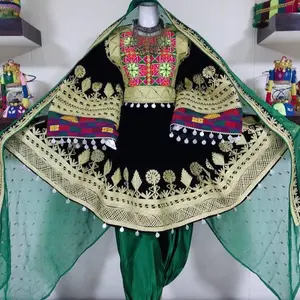


$67.00


$115.50


Related Searches
Introduction
Traditional Asian dress encompasses a wide variety of clothing styles that are rich in cultural significance and history. Each region in Asia has its unique traditional attire that showcases the artistry, craftsmanship, and heritage of its people. For instance, in China, the qipao and hanfu are popular, while Japan is known for the kimono. In India, sarees and kurta-pajamas are widely worn, and in Korea, the hanbok is a traditional outfit that symbolizes grace and elegance. These garments are not just clothing; they represent the identity and pride of the respective cultures.
When choosing traditional Asian dress, consider the following aspects:
Traditional Asian dress is not only about aesthetics but also about embracing a rich cultural heritage. As you explore these garments, you'll find that they tell stories of the past and connect generations. Whether you are attending a cultural event or simply want to add a touch of tradition to your wardrobe, understanding the significance of these dresses will enhance your appreciation and selection. Remember, each piece of traditional Asian dress is a testament to the artistry and history of its culture.
When choosing traditional Asian dress, consider the following aspects:
- Occasion: Different styles may be suited for festivals, weddings, or daily wear.
- Fabric: Traditional garments often use high-quality fabrics such as silk, cotton, or brocade, which enhance their beauty and comfort.
- Fit and Style: Ensure that the dress fits well and reflects the style you desire, whether it be formal or casual.
- Accessories: Complement your outfit with traditional accessories like jewelry, shoes, or headpieces to complete the look.
Traditional Asian dress is not only about aesthetics but also about embracing a rich cultural heritage. As you explore these garments, you'll find that they tell stories of the past and connect generations. Whether you are attending a cultural event or simply want to add a touch of tradition to your wardrobe, understanding the significance of these dresses will enhance your appreciation and selection. Remember, each piece of traditional Asian dress is a testament to the artistry and history of its culture.