toddler sippy cup
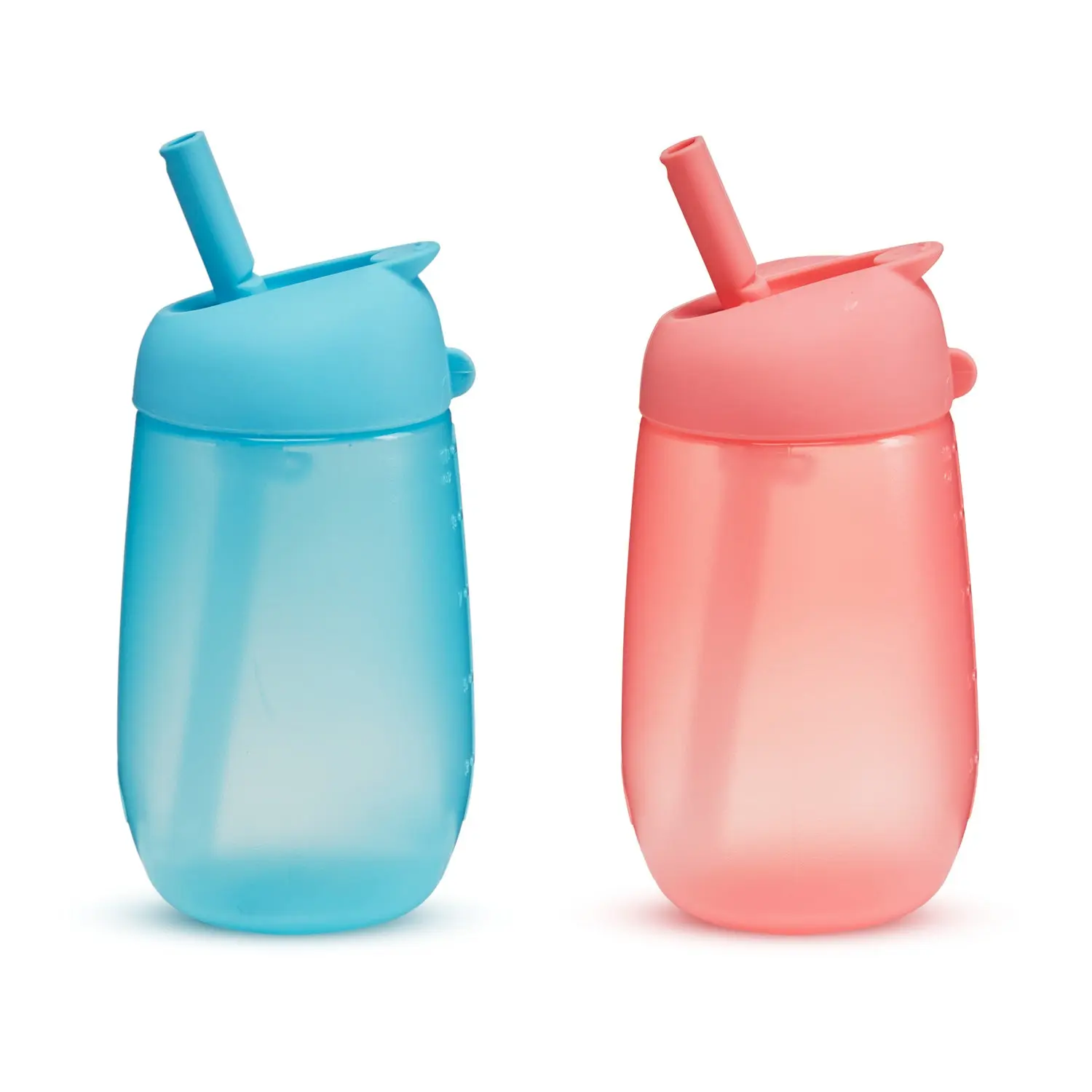
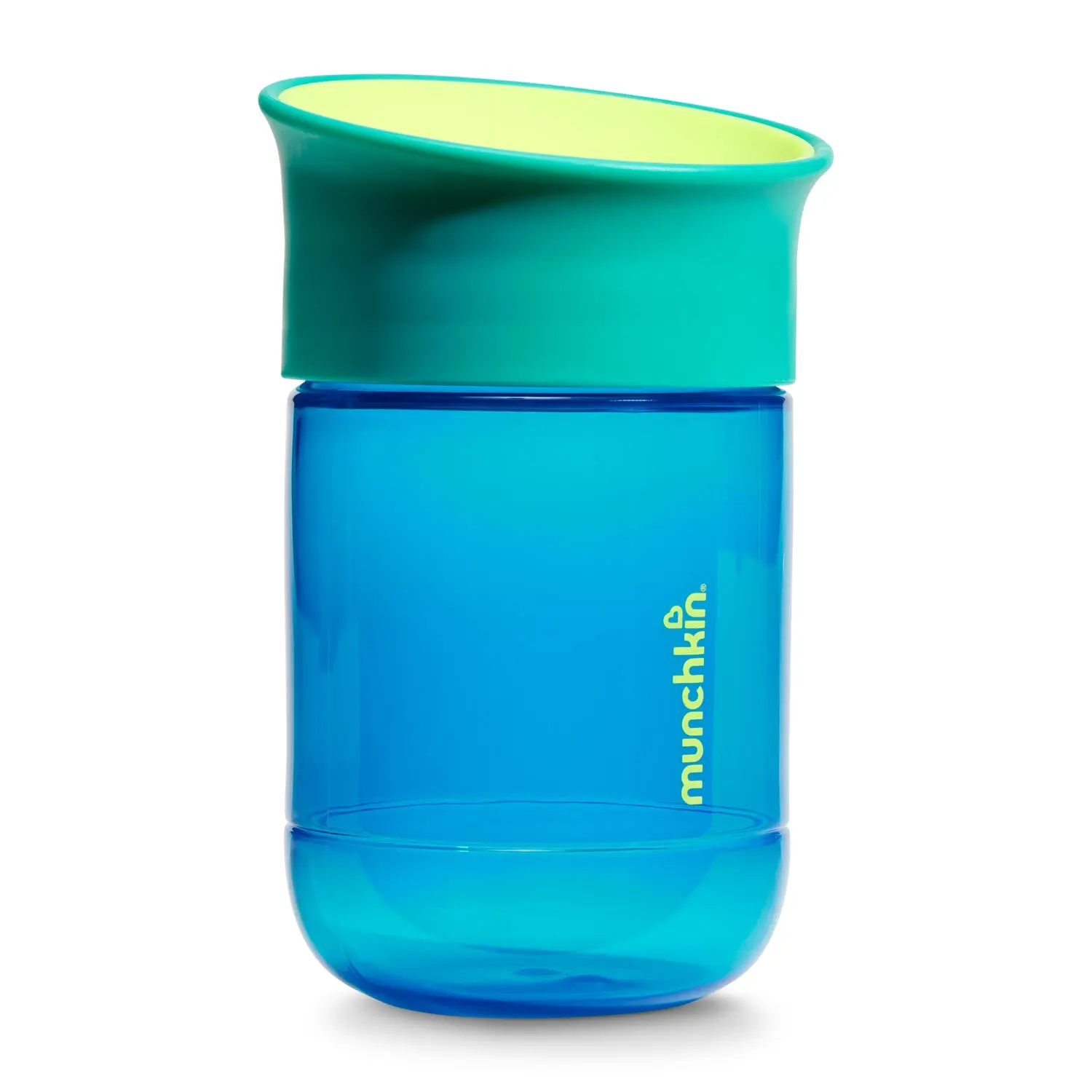
A toddler sippy cup is a specially designed drinking cup that helps young children transition from bottles to regular cups. It features a spill-proof lid and easy-to-hold handles, making it perfect for little hands learning to drink independently.
Featured brands
Authenticated productsVerified shops





4.5
102 sold
-46%$13.99$25.99


Related Searches
Related Categories
Introduction
When it comes to nurturing your toddler's independence, a toddler sippy cup is an essential tool in your parenting arsenal. These cups are designed to help children aged 1-3 years learn how to drink without the mess associated with traditional cups. With spill-proof lids and ergonomic designs, toddler sippy cups encourage self-feeding and are perfect for on-the-go families.
Parents often seek out sippy cups that are BPA-free and made from durable materials to ensure safety and longevity. The variety of styles, colors, and designs available makes it easy to find a cup that your child will love. Many toddler sippy cups also feature fun characters or themes that can make drinking more enjoyable for your little one.
Additionally, some sippy cups come with interchangeable lids that allow for a smooth transition from a spout to a straw, catering to your child's growing preferences. This flexibility not only promotes independence but also supports the development of oral skills.
Investing in a high-quality toddler sippy cup can significantly enhance your child’s drinking experience, making it easier for them to stay hydrated throughout the day. With the right sippy cup, you can foster a sense of responsibility in your toddler while ensuring a mess-free environment in your home.
Parents often seek out sippy cups that are BPA-free and made from durable materials to ensure safety and longevity. The variety of styles, colors, and designs available makes it easy to find a cup that your child will love. Many toddler sippy cups also feature fun characters or themes that can make drinking more enjoyable for your little one.
Additionally, some sippy cups come with interchangeable lids that allow for a smooth transition from a spout to a straw, catering to your child's growing preferences. This flexibility not only promotes independence but also supports the development of oral skills.
Investing in a high-quality toddler sippy cup can significantly enhance your child’s drinking experience, making it easier for them to stay hydrated throughout the day. With the right sippy cup, you can foster a sense of responsibility in your toddler while ensuring a mess-free environment in your home.