Results for "tig welding setup on"
TIG welding setup refers to the process and equipment used for Tungsten Inert Gas welding, a precise welding method that requires specific tools and techniques.


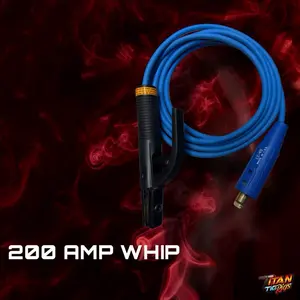


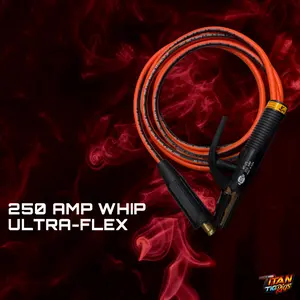


YesWelder Store

4.9
145 sold
$46.54


YesWelder Store

5.0
56 sold
$51.00


$14.00


YesWelder Store
4.0
32 sold
$53.53


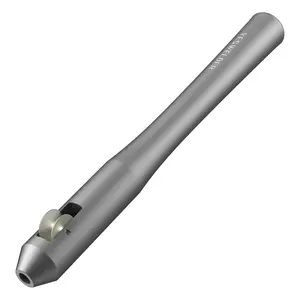
YesWelder Store
4.4
313 sold
$23.27


YesWelder Store
5.0
27 sold
$19.77
Related Searches
Related Categories
Introduction
When it comes to TIG welding, having the right setup is crucial for achieving high-quality welds. A TIG welding setup includes various components such as the welding machine, tungsten electrodes, filler rods, and protective gear. Understanding how to properly configure your TIG welding equipment can significantly enhance your welding performance and results.
Here are some essential elements to consider for a successful TIG welding setup:
A well-prepared TIG welding setup not only improves the quality of your welds but also ensures a safer working environment. Regularly check your equipment and practice proper welding techniques to maintain proven quality in your work. Remember, investing time in setting up your TIG welding process will pay off in the long run with customer-approved results.
Here are some essential elements to consider for a successful TIG welding setup:
- Welding Machine: Choose a reliable TIG welding machine that suits your project needs. Look for features like adjustable amperage and AC/DC capabilities.
- Tungsten Electrodes: Select the appropriate tungsten electrode type and size based on the material you are welding. Thoriated and ceriated tungsten are popular choices.
- Filler Rods: Ensure you have the correct filler rods for the metals you are working with. This is essential for creating strong welds.
- Shielding Gas: Argon is the most commonly used shielding gas for TIG welding. Make sure you have a proper gas supply and regulator.
- Protective Gear: Always wear appropriate protective gear, including gloves, a welding helmet, and protective clothing to ensure safety while welding.
A well-prepared TIG welding setup not only improves the quality of your welds but also ensures a safer working environment. Regularly check your equipment and practice proper welding techniques to maintain proven quality in your work. Remember, investing time in setting up your TIG welding process will pay off in the long run with customer-approved results.