Results for "test machine"
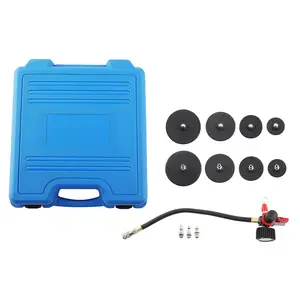
A test machine is a device used to measure and analyze various physical properties of materials, components, and systems, often employed in quality control and research settings.

$44.00




4.6
2.4K sold
-50%$17.61$35.23


Related Searches
Related Categories
Introduction
When it comes to ensuring the quality and performance of electrical systems, a test machine plays a crucial role. These machines are essential tools for professionals working with electrical measuring instruments, enabling precise assessments of electrical properties, durability, and safety. A test machine can evaluate voltage, current, resistance, and other critical parameters, providing valuable data that informs decision-making and product development.
Using a test machine effectively requires an understanding of its features and capabilities. Here are some key aspects to consider:
Test machines are trusted by thousands of professionals across various industries, ensuring compliance with safety standards and enhancing product reliability. Whether you're in manufacturing, research, or quality assurance, integrating a test machine into your workflow can significantly improve your outcomes. Regular updates and maintenance of these machines are recommended to keep them functioning optimally. By investing in a reliable test machine, you can enhance your testing capabilities and make informed decisions based on accurate data.
Using a test machine effectively requires an understanding of its features and capabilities. Here are some key aspects to consider:
- Accuracy: Look for machines that guarantee high precision in measurements.
- Versatility: Choose a test machine that can handle a variety of tests across different electrical measuring instruments.
- User-friendly Interface: A machine with an intuitive interface simplifies operation and reduces the learning curve.
- Data Analysis: Opt for machines that offer advanced data analysis and reporting features.
Test machines are trusted by thousands of professionals across various industries, ensuring compliance with safety standards and enhancing product reliability. Whether you're in manufacturing, research, or quality assurance, integrating a test machine into your workflow can significantly improve your outcomes. Regular updates and maintenance of these machines are recommended to keep them functioning optimally. By investing in a reliable test machine, you can enhance your testing capabilities and make informed decisions based on accurate data.