Sprinting shoes
Sprinting shoes are specialized footwear designed to enhance performance during short-distance running, focusing on speed and agility. They feature lightweight materials and a unique sole design to provide optimal traction and support.
Featured brands
Authenticated productsVerified shops

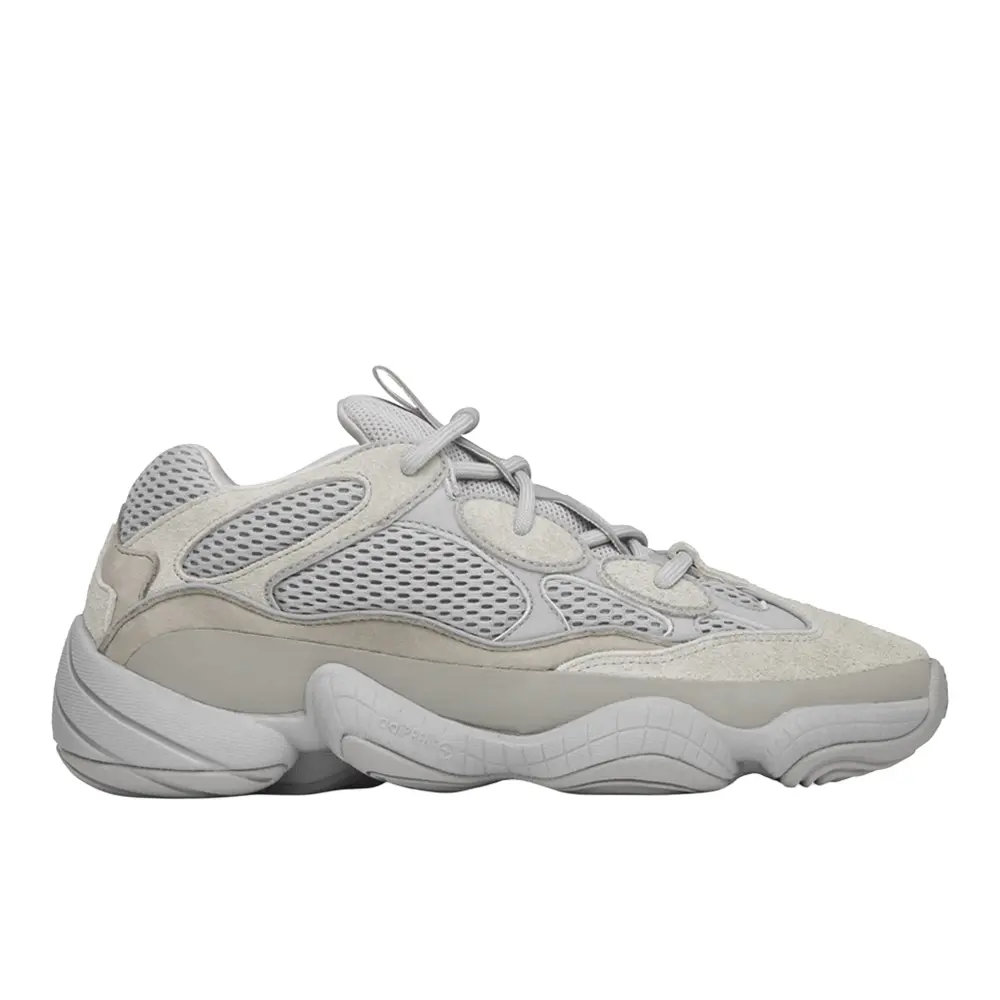


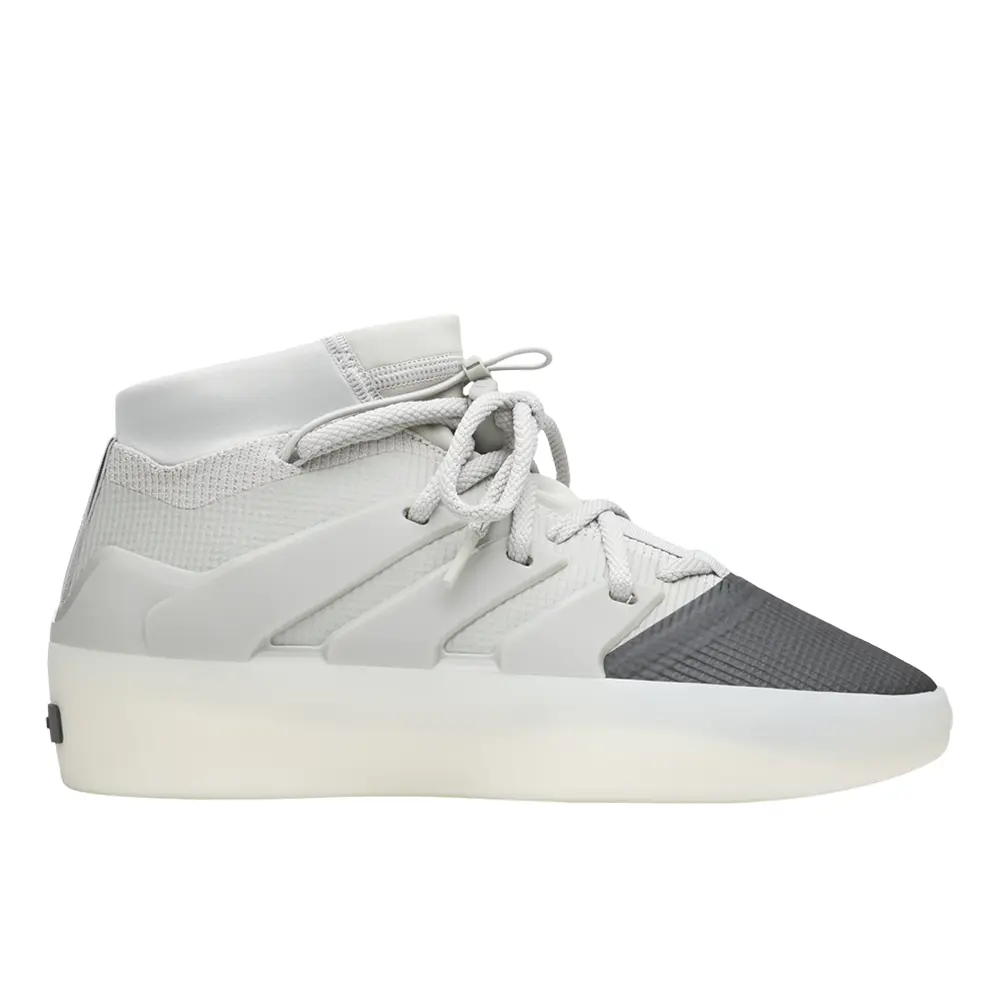
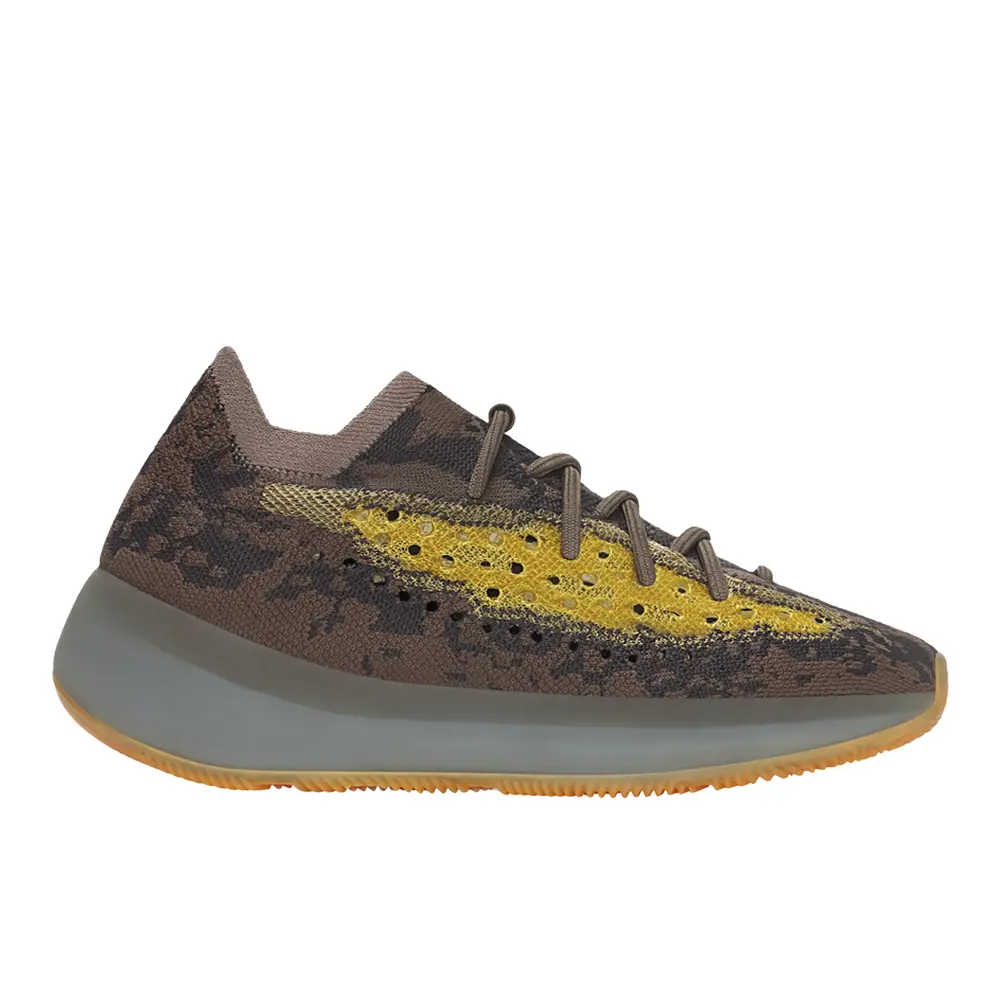


SHOEBACCA

5.0
10 sold
$39.95


SHOEBACCA
2 sold
-43%$39.95$70.00


SHOEBACCA
-69%$24.95$80.00


SHOEBACCA
-10%$69.95$78.00


SHOEBACCA
5.0
2 sold
-55%$35.95$80.00


SHOEBACCA
-50%$34.95$70.00


Related Searches
Related Categories
Introduction
When it comes to athletic performance, having the right footwear is crucial, especially for sprinters. Sprinting shoes are specifically engineered for speed, allowing athletes to maximize their potential on the track. These shoes differ significantly from regular running shoes, as they are designed for explosive movements and quick acceleration. With a lightweight construction and a snug fit, sprinting shoes enable athletes to maintain optimal speed without unnecessary weight holding them back.
Key features of sprinting shoes include:
Whether you're a professional athlete or a beginner looking to improve your speed, investing in a quality pair of sprinting shoes can help you achieve your goals. Stay ahead of the competition by selecting the right footwear that meets your sprinting needs.
Key features of sprinting shoes include:
- Lightweight Materials: Made from breathable, lightweight fabrics that reduce fatigue.
- Spike Plates: Many sprinting shoes come with spike plates that provide superior grip on the track.
- Stiff Soles: The soles are designed to be rigid, promoting better energy transfer with each stride.
- Supportive Fit: A snug fit ensures minimal movement within the shoe, enhancing stability.
Whether you're a professional athlete or a beginner looking to improve your speed, investing in a quality pair of sprinting shoes can help you achieve your goals. Stay ahead of the competition by selecting the right footwear that meets your sprinting needs.