Runninh shoes
Running shoes are specifically designed footwear that provides support, cushioning, and stability for individuals who engage in running or jogging activities. They are engineered to enhance performance and reduce the risk of injury.
Featured brands
Authenticated productsVerified shops


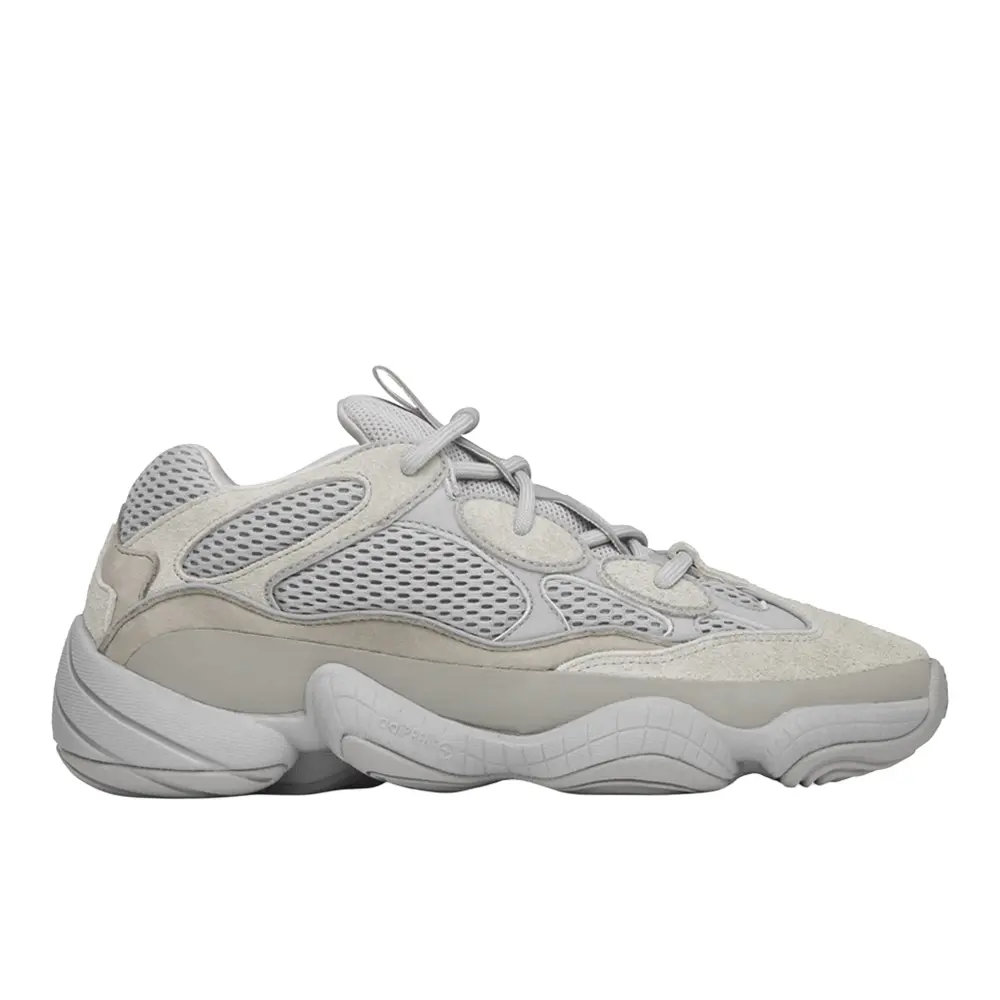


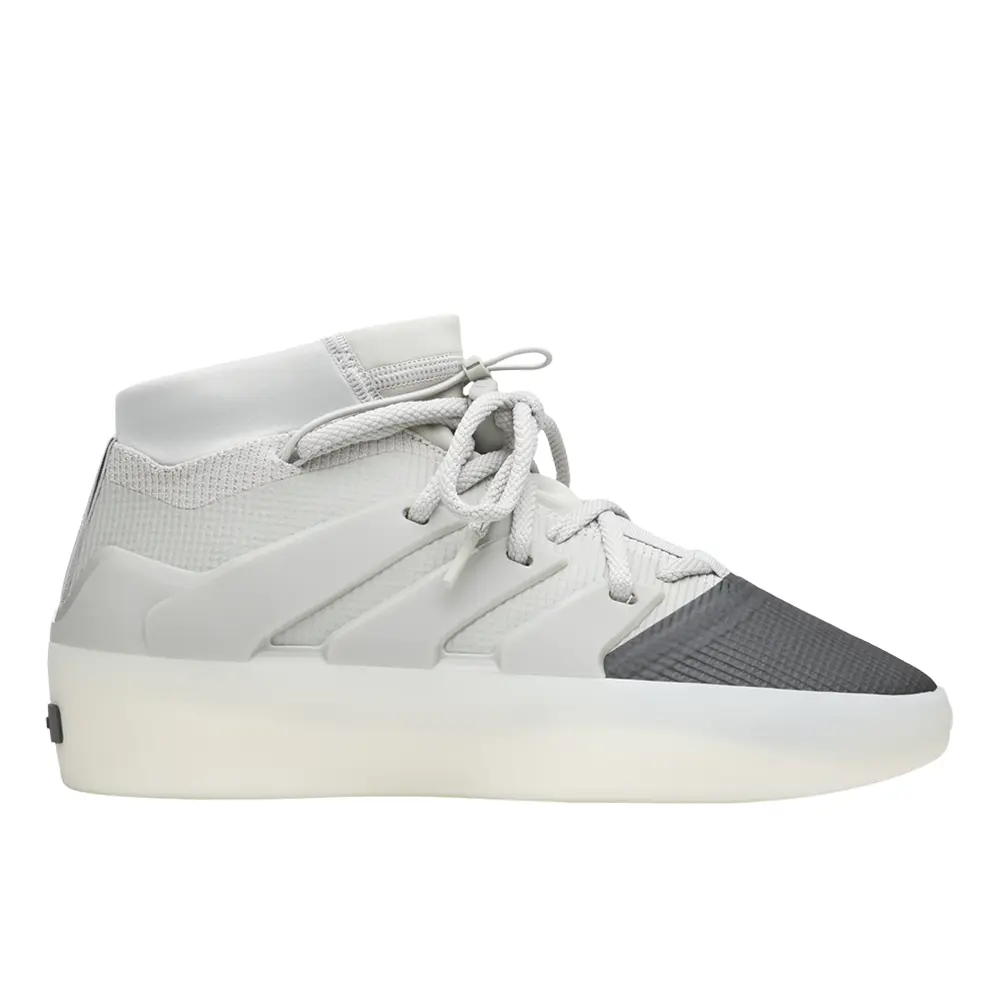
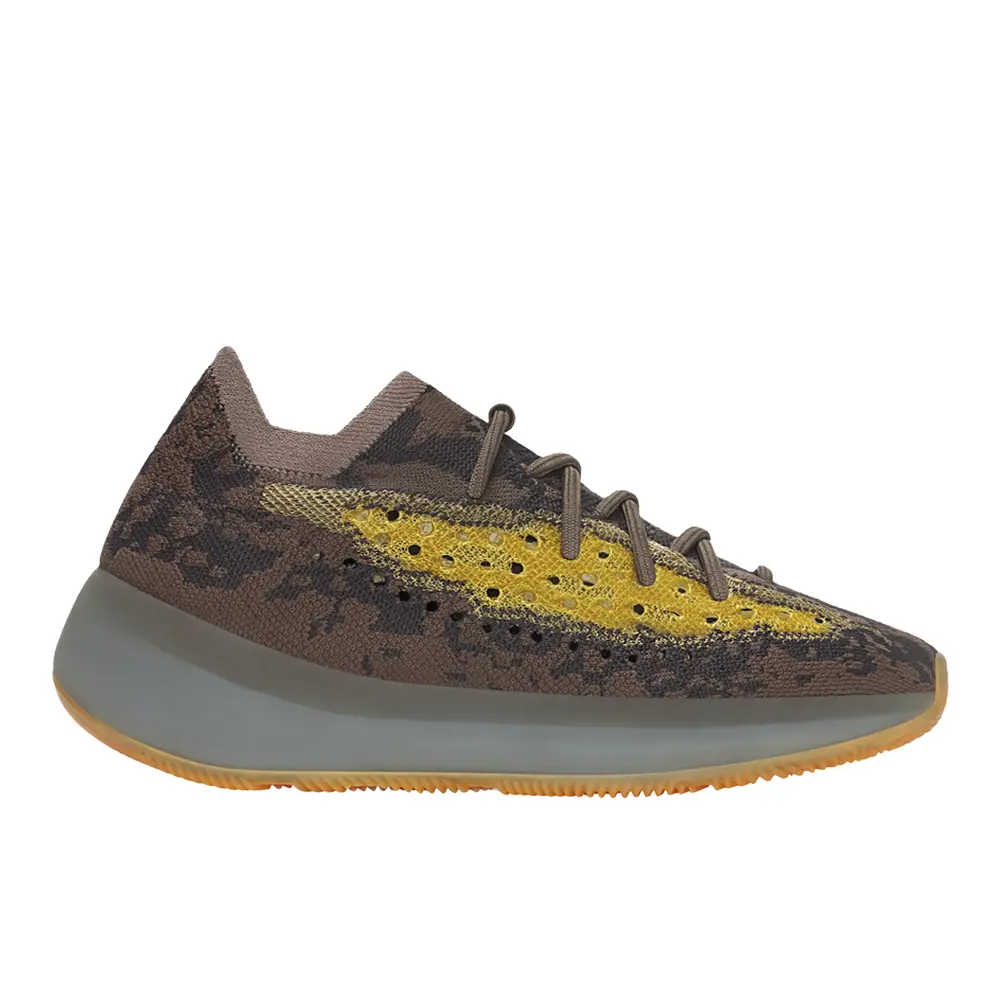


![NORTIV 8 [ActiveBreeze] Women's Comfortable Mesh Running Shoes](https://p16-oec-general-useast5.ttcdn-us.com/tos-useast5-i-omjb5zjo8w-tx/5124d03267d944a2a1319b7ca4f14dda~tplv-fhlh96nyum-resize-webp:600:600.webp?dr=12190&t=555f072d&ps=933b5bde&shp=8dbd94bf&shcp=a6e80448&idc=useast5&from=2378011839 "NORTIV 8 [ActiveBreeze] Women's Comfortable Mesh Running Shoes")


![NORTIV 8 [ActiveBreeze] Women's Walking Shoes Cushion Comfortable ActiveBreeze Running Shoes Non-Slip Workout Gym Sports Athletic Breathable Fashion Sneakers Running Sneaker Athletic Shoes](https://p16-oec-general-useast5.ttcdn-us.com/tos-useast5-i-omjb5zjo8w-tx/388a9a21b45043ee9cc13e74966ff427~tplv-fhlh96nyum-resize-webp:600:600.webp?dr=12190&t=555f072d&ps=933b5bde&shp=8dbd94bf&shcp=a6e80448&idc=useast5&from=2378011839 "NORTIV 8 [ActiveBreeze] Women's Walking Shoes Cushion Comfortable ActiveBreeze Running Shoes Non-Slip Workout Gym Sports Athletic Breathable Fashion Sneakers Running Sneaker Athletic Shoes")


Related Searches
Introduction
When it comes to running, having the right pair of running shoes is crucial for both comfort and performance. Running shoes are not just any ordinary footwear; they are meticulously designed to cater to the unique needs of runners. With features such as enhanced cushioning, arch support, and lightweight materials, these shoes help to absorb impact and provide stability during each stride. Whether you're a seasoned marathoner or a casual jogger, investing in a good pair of running shoes can make a significant difference in your running experience.
Here are some key aspects to consider when choosing running shoes:
Here are some key aspects to consider when choosing running shoes:
- Cushioning: Look for shoes that offer adequate cushioning to absorb shock and protect your joints.
- Fit: Ensure a snug fit without being too tight; your toes should have enough room to move.
- Support: Depending on your foot type (flat, neutral, or high arch), select shoes that provide the right level of support.
- Weight: Lighter shoes can enhance speed, while heavier shoes may offer more support and durability.
- Durability: Consider the materials used and how well they will hold up over time, especially if you run frequently.