otc for acid reflux
OTC for acid reflux refers to over-the-counter medications that help alleviate symptoms of acid reflux, a common digestive condition characterized by heartburn and discomfort.
Featured brands
Authenticated productsVerified shops


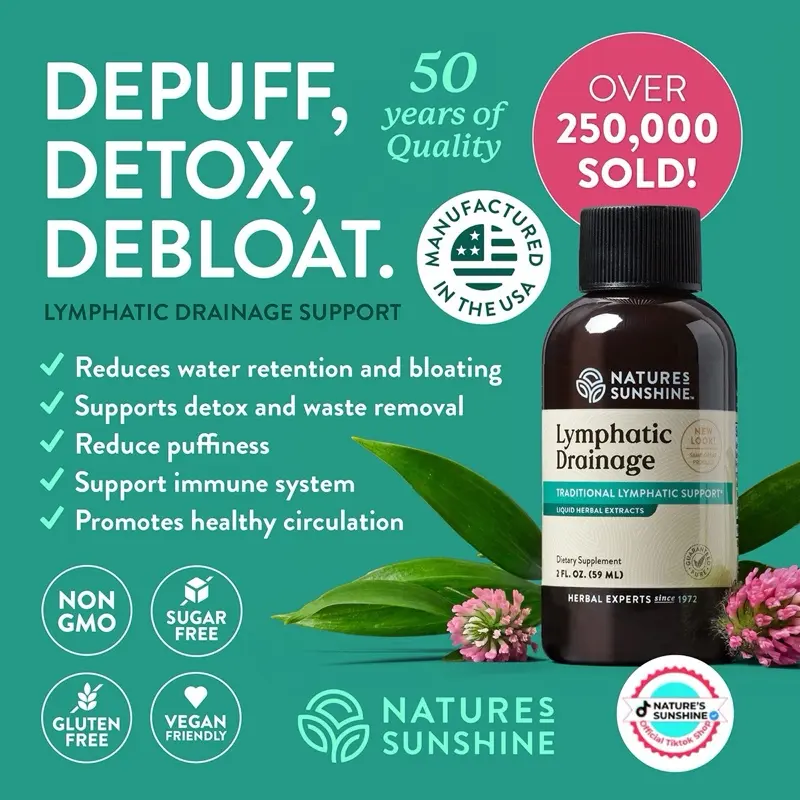


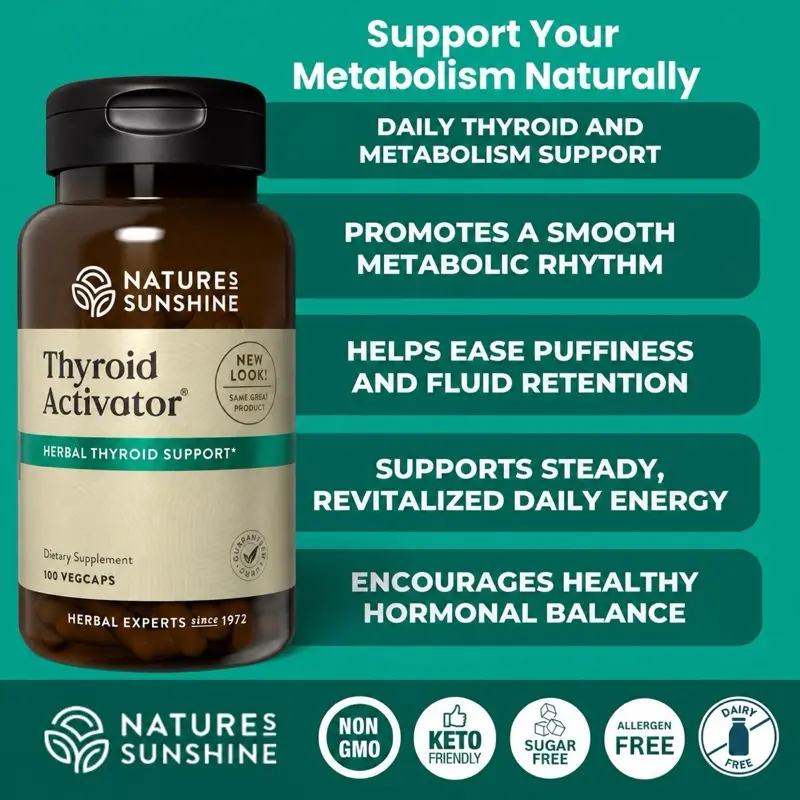


Nature's Sunshine

5.0
149 sold

$22.75

Enzymedica, Inc
5.0
6 sold
$8.61


Related Searches
Introduction
If you're suffering from acid reflux, you're not alone. Many individuals experience this condition, which can lead to uncomfortable symptoms such as heartburn, regurgitation, and difficulty swallowing. Fortunately, there are effective OTC (over-the-counter) solutions available to help manage these symptoms. OTC medications for acid reflux come in various forms, including antacids, H2 blockers, and proton pump inhibitors. These products are designed to neutralize stomach acid, reduce acid production, or promote healing of the esophagus. When choosing an OTC solution, it's essential to consider factors such as the severity of your symptoms and any underlying health conditions. Here are some common types of OTC medications for acid reflux:
- Antacids: These provide quick relief by neutralizing stomach acid.
- H2 Blockers: These reduce the amount of acid your stomach produces.
- Proton Pump Inhibitors (PPIs): These block acid production more effectively for long-term relief.