obd1 adapter
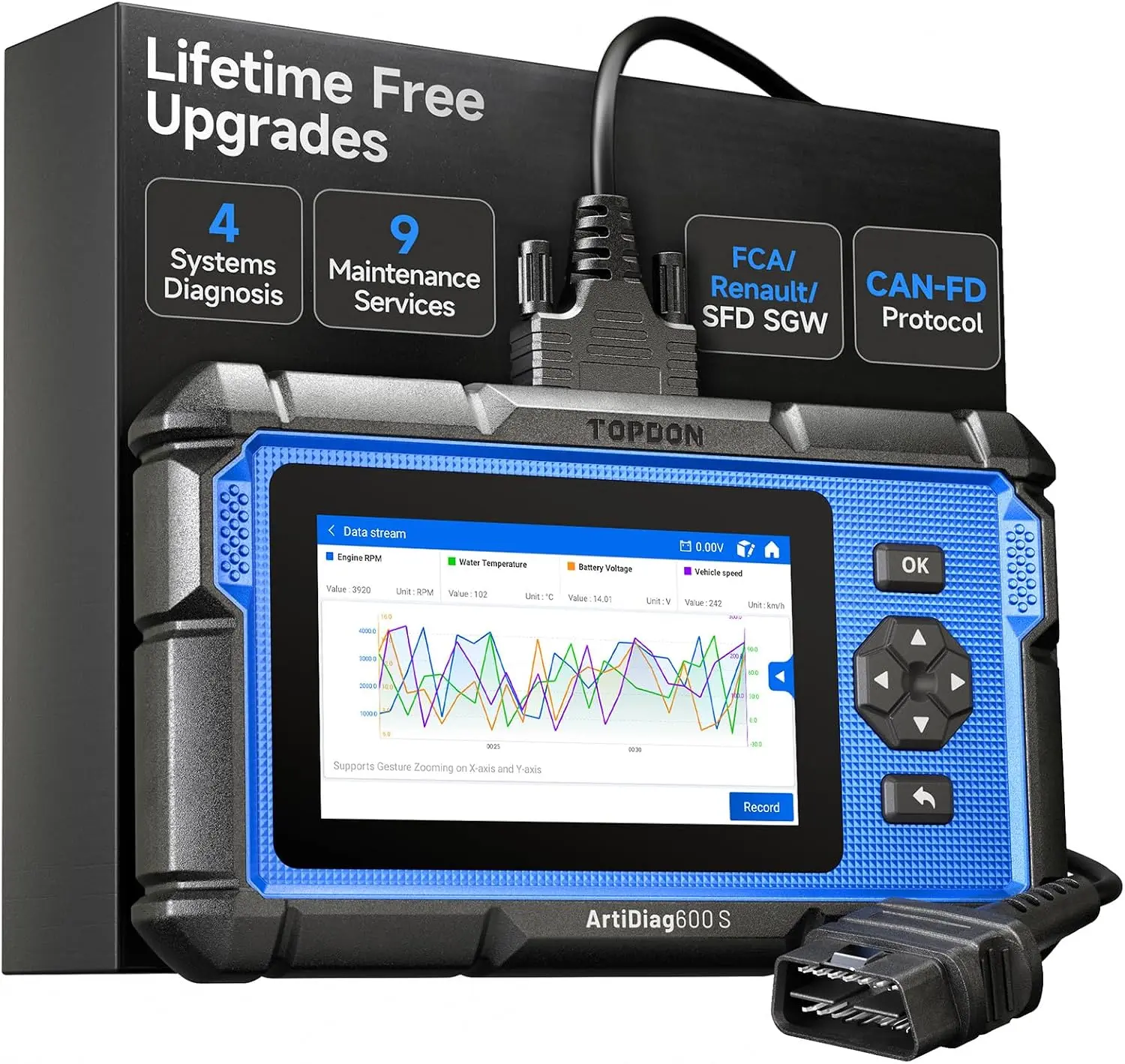
An OBD1 adapter is a device used to connect a vehicle's On-Board Diagnostics (OBD) system to a diagnostic tool or scanner, allowing for the retrieval of vehicle data and trouble codes.
Featured brands
Authenticated productsVerified shops




Related Searches
Related Categories
Introduction
If you're looking to diagnose issues with older vehicles, an OBD1 adapter is essential. This tool connects your vehicle's OBD1 system to a scanner, enabling you to access valuable information about your car's performance and any potential issues. OBD1 systems were commonly used in vehicles manufactured before 1996, and they differ from the more advanced OBD2 systems found in newer models. By using an OBD1 adapter, you can read diagnostic trouble codes (DTCs), monitor engine performance, and perform necessary troubleshooting.
Here are some key benefits of using an OBD1 adapter:
Here are some key benefits of using an OBD1 adapter:
- Cost-effective diagnostics: Instead of visiting a mechanic, you can diagnose your vehicle's issues at home.
- Enhanced understanding: Gain insights into your vehicle's performance and understand what repairs may be needed.
- User-friendly: Many OBD1 adapters are designed for easy use, even for those who are not mechanically inclined.