Results for "motherboard power connectors"
Motherboard power connectors are essential components that provide electrical power to the motherboard from the power supply unit (PSU) in a computer. They ensure that the motherboard functions correctly by delivering the necessary voltage and current.


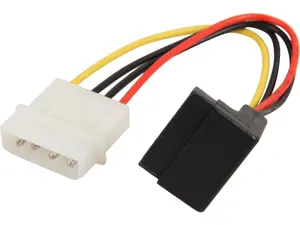
Newegg, Inc.

-9%$11.82$13.00


Newegg, Inc.
-41%$8.27$13.90

GEARit Official
4.6
15 sold
-20%$70.94$88.70


Newegg, Inc.
-29%$13.60$19.09


Related Searches
Related Categories
Introduction
Understanding motherboard power connectors is crucial for anyone looking to build or upgrade a computer. These connectors are responsible for delivering power from the power supply unit (PSU) to the motherboard, ensuring that all components function properly. There are several types of connectors, including the 24-pin ATX main power connector and the 4 or 8-pin CPU power connectors, each serving a specific purpose in the power distribution system of a computer.
When assembling a computer, it's essential to ensure that the motherboard power connectors are securely attached. A loose connection can lead to system instability or failure to boot. Here are some key points to consider when dealing with motherboard power connectors:
When assembling a computer, it's essential to ensure that the motherboard power connectors are securely attached. A loose connection can lead to system instability or failure to boot. Here are some key points to consider when dealing with motherboard power connectors:
- Types of Connectors: Familiarize yourself with the different types of connectors, such as the 24-pin ATX and CPU power connectors.
- Compatibility: Ensure that the connectors from your PSU are compatible with your motherboard.
- Quality Matters: Opt for a power supply that is known for its reliability and proven quality to avoid issues.
- Check the Manual: Always refer to the motherboard manual for specific connector locations and requirements.