Results for "microprocessor and processor"
A microprocessor is a compact integrated circuit that serves as the brain of a computer, executing instructions and performing calculations. It is a crucial component in modern electronics, enabling devices to perform complex tasks efficiently.


Newegg, Inc.

4.1
92 sold
-43%$104.07$183.25


Newegg, Inc.
5.0
6 sold
-5%$395.37$417.99
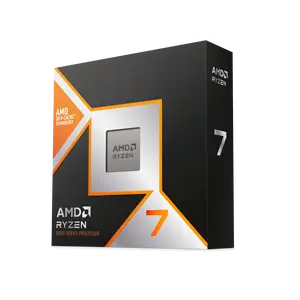
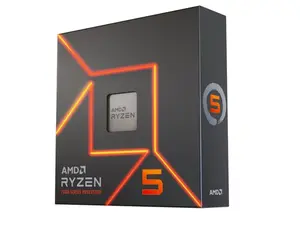
Newegg, Inc.
-39%$209.84$344.48





Newegg, Inc.
5.0
24 sold
-13%$453.63$521.50


$51.00


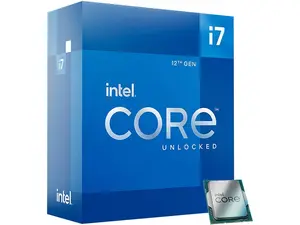
![[TikTokShopSpringGlowUp]Food Processor 4 Cup, Electric Food Chopper, Meat Grinder with 2 Bowls, 2 Speed & 4 Blades for Vegetable, Meat, Nuts, Onion, Vegetable Cutter](https://p16-oec-general-useast5.ttcdn-us.com/tos-useast5-i-omjb5zjo8w-tx/eeccdfba4425459bb97da53836e6d97f~tplv-fhlh96nyum-crop-webp:300:300.webp?dr=12190&t=555f072d&ps=933b5bde&shp=8dbd94bf&shcp=a6e80448&idc=useast5&from=2378011839 "[TikTokShopSpringGlowUp]Food Processor 4 Cup, Electric Food Chopper, Meat Grinder with 2 Bowls, 2 Speed & 4 Blades for Vegetable, Meat, Nuts, Onion, Vegetable Cutter")


Related Searches
Related Categories
Introduction
Microprocessors are essential in today's digital world, powering everything from personal computers to smartphones. These tiny chips are responsible for executing instructions and processing data, making them the backbone of modern technology. When considering a microprocessor, it's important to understand its role in system performance and efficiency. Here are some key points to consider:
- Functionality: Microprocessors execute a wide range of instructions, allowing devices to perform various tasks.
- Speed: The processing speed of a microprocessor can significantly impact the overall performance of a device.
- Architecture: Different microprocessor architectures cater to specific computing needs, from basic tasks to complex calculations.
- Compatibility: Ensure that the microprocessor is compatible with your device's motherboard and other components.
- Power Consumption: Consider the power efficiency of a microprocessor, especially for portable devices.