Results for "cpu and microprocessor"
A CPU, or Central Processing Unit, is the primary component of a computer that performs most of the processing inside the system. Microprocessors are integrated circuits that contain the functions of a CPU on a single chip, enabling efficient computing in various devices.


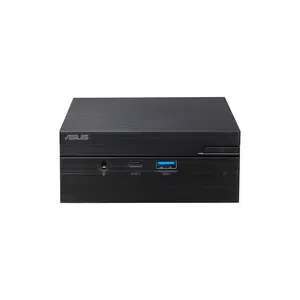
$215.66


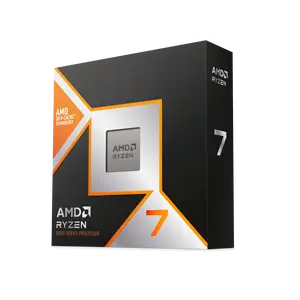

Newegg, Inc.

5.0
2 sold
-11%$345.99$387.01


Newegg, Inc.
4.1
92 sold
-43%$99.31$174.88


Newegg, Inc.
5.0
24 sold
-13%$432.89$497.66

Newegg, Inc.
-39%$200.25$328.73


Newegg, Inc.
-11%$183.35$206.41


Newegg, Inc.
5.0
6 sold
-5%$403.03$426.10

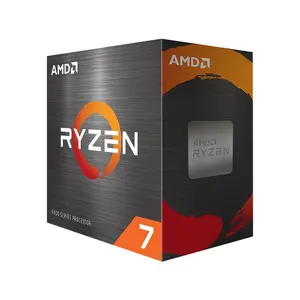


$52.00


Related Searches
Related Categories
Introduction
When discussing technology, terms like CPU and microprocessor are crucial to understanding how devices function. A CPU, or Central Processing Unit, is often referred to as the brain of a computer. It interprets and executes instructions, making it essential for running applications and managing tasks. Microprocessors, on the other hand, are compact versions of CPUs that integrate all the necessary functions on a single chip. This innovation has allowed for the development of smaller and more efficient devices, from personal computers to smartphones.
Understanding the differences between a CPU and a microprocessor can help consumers make informed decisions when purchasing technology products. Here are some key points to consider:
Understanding the differences between a CPU and a microprocessor can help consumers make informed decisions when purchasing technology products. Here are some key points to consider:
- **Functionality**: CPUs handle multiple tasks and processes, while microprocessors are designed for specific functions.
- **Size**: Microprocessors are typically smaller, allowing for integration into compact devices.
- **Performance**: CPUs generally offer higher performance for complex tasks, while microprocessors are optimized for efficiency.