Results for "mainboard form factor"
Mainboard form factor refers to the physical dimensions, layout, and specifications of a computer's mainboard, which affects compatibility with cases, power supplies, and other components.




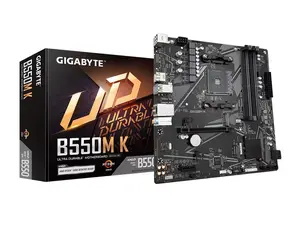
Newegg, Inc.

5.0
46 sold
-29%$89.05$124.91





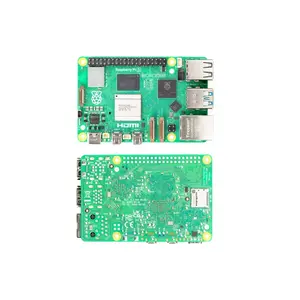


-26%$65.69$88.68


Newegg, Inc.
5.0
40 sold
-16%$181.70$217.56
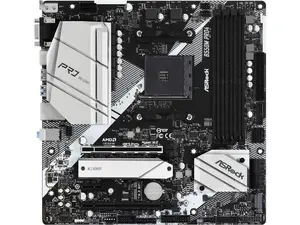


Related Searches
Related Categories
Introduction
Understanding the mainboard form factor is crucial for anyone looking to build or upgrade a computer. The mainboard, also known as the motherboard, serves as the backbone of your computer, connecting all components and allowing them to communicate. The form factor determines the size and shape of the motherboard, which in turn influences the type of computer case you can use, the cooling solutions available, and the overall layout of your system.
Common form factors include ATX, Micro-ATX, and Mini-ITX, each catering to different needs and preferences. For instance, ATX boards are popular for gaming and high-performance builds due to their ample expansion slots and features. In contrast, Mini-ITX boards are ideal for compact builds where space is limited.
When selecting a mainboard, consider the following factors:
Choosing the right mainboard form factor can significantly impact your computer's performance and upgradeability. Trusted by thousands of builders, understanding these specifications ensures that you make informed decisions when purchasing components. Regularly revisiting form factor trends and updates can keep your build competitive and efficient.
Common form factors include ATX, Micro-ATX, and Mini-ITX, each catering to different needs and preferences. For instance, ATX boards are popular for gaming and high-performance builds due to their ample expansion slots and features. In contrast, Mini-ITX boards are ideal for compact builds where space is limited.
When selecting a mainboard, consider the following factors:
- Compatibility with other components, including the CPU and RAM.
- Expansion slots for graphics cards, sound cards, and other peripherals.
- Port availability, such as USB and HDMI outputs.
- Overall layout and design, which can affect airflow and cooling.
Choosing the right mainboard form factor can significantly impact your computer's performance and upgradeability. Trusted by thousands of builders, understanding these specifications ensures that you make informed decisions when purchasing components. Regularly revisiting form factor trends and updates can keep your build competitive and efficient.