Results for "japanese theatrical masks"
Japanese theatrical masks are traditional masks used in various forms of Japanese theater, such as Noh and Kabuki. These masks are intricately crafted and serve to represent different characters, emotions, and social statuses.


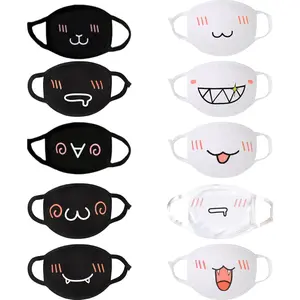
5.0
6 sold
-12%$12.20$13.90


-17%$52.89$63.47


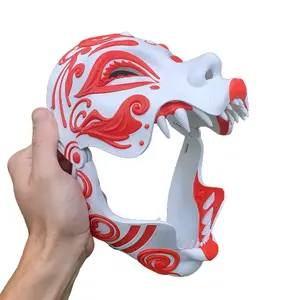


4.4
783 sold
-50%$14.99$30.00


Related Searches
Related Categories
Introduction
Japanese theatrical masks are a fascinating aspect of Japan's rich cultural heritage. These masks are not just pieces of art; they are essential tools in performances, conveying emotions and character traits in a way that words alone cannot. Typically used in Noh and Kabuki theater, these masks can represent a wide range of characters, from gods and demons to noble warriors and beautiful women. The craftsmanship involved in creating these masks is meticulous, often involving techniques passed down through generations.
Understanding the significance of Japanese theatrical masks can enhance your appreciation of Japanese culture and theater. Here are some key points to consider:
Understanding the significance of Japanese theatrical masks can enhance your appreciation of Japanese culture and theater. Here are some key points to consider:
- Symbolism: Each mask has its own meaning and is designed to evoke specific feelings or represent particular characters.
- Artistry: The creation of these masks involves traditional methods, including the use of natural materials and paints, ensuring their longevity and beauty.
- Performance: In theater, the use of masks allows actors to portray multiple characters, enhancing the storytelling experience.