Results for "is matcha tea a diuretic"
Matcha tea is a finely ground powder made from specially grown green tea leaves, known for its vibrant green color and numerous health benefits.



Micro Ingredients

4.7
15.5K sold
-26%$32.73$44.04

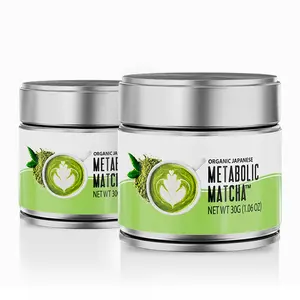
NaturalSlimUSA
4.8
663 sold
$27.90





Micro Ingredients
4.5
3.2K sold
-19%$33.86$41.78



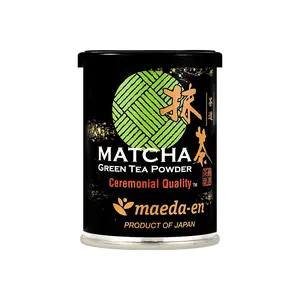
Yami. Best of Asia
5.0
29 sold
$47.25


Micro Ingredients
4.0
1 sold
-33%$56.47$84.70


4.6
3.4K sold
-33%$22.60$33.91



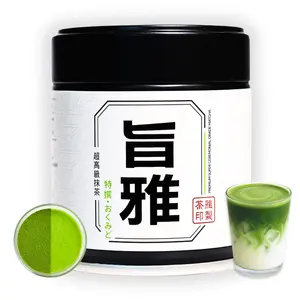
4.9
2.5K sold
-54%$33.70$73.79


-57%$30.40$70.80


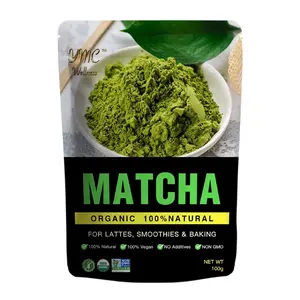

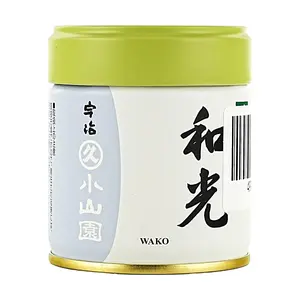
Yami. Best of Asia

3.0
9 sold
$65.45


Related Searches
Related Categories
Introduction
Matcha tea has gained popularity for its unique taste and health benefits. As a type of green tea, matcha is rich in antioxidants, particularly catechins, which are known for their health-promoting properties. One common question among tea enthusiasts is whether matcha tea acts as a diuretic. While matcha does contain caffeine, which can have a mild diuretic effect, its overall impact on hydration is generally positive. Drinking matcha tea can help stimulate metabolism and promote overall wellness without leading to excessive fluid loss.
Here are some key points about matcha tea and its potential diuretic effects:
Here are some key points about matcha tea and its potential diuretic effects:
- Caffeine Content: Matcha contains caffeine, which can increase production slightly.
- Hydration: Despite its caffeine content, matcha tea can contribute to your daily fluid intake, helping to keep you hydrated.
- Rich in Antioxidants: The antioxidants in matcha can support kidney health, potentially counteracting any diuretic effects.