intel i486
The Intel i486, also known as the 486 or i486, is a microprocessor that was introduced by Intel in 1989. It was the first x86 processor to integrate a floating-point unit and offered significant performance improvements over its predecessor, the i386.
Featured brands
Authenticated productsVerified shops


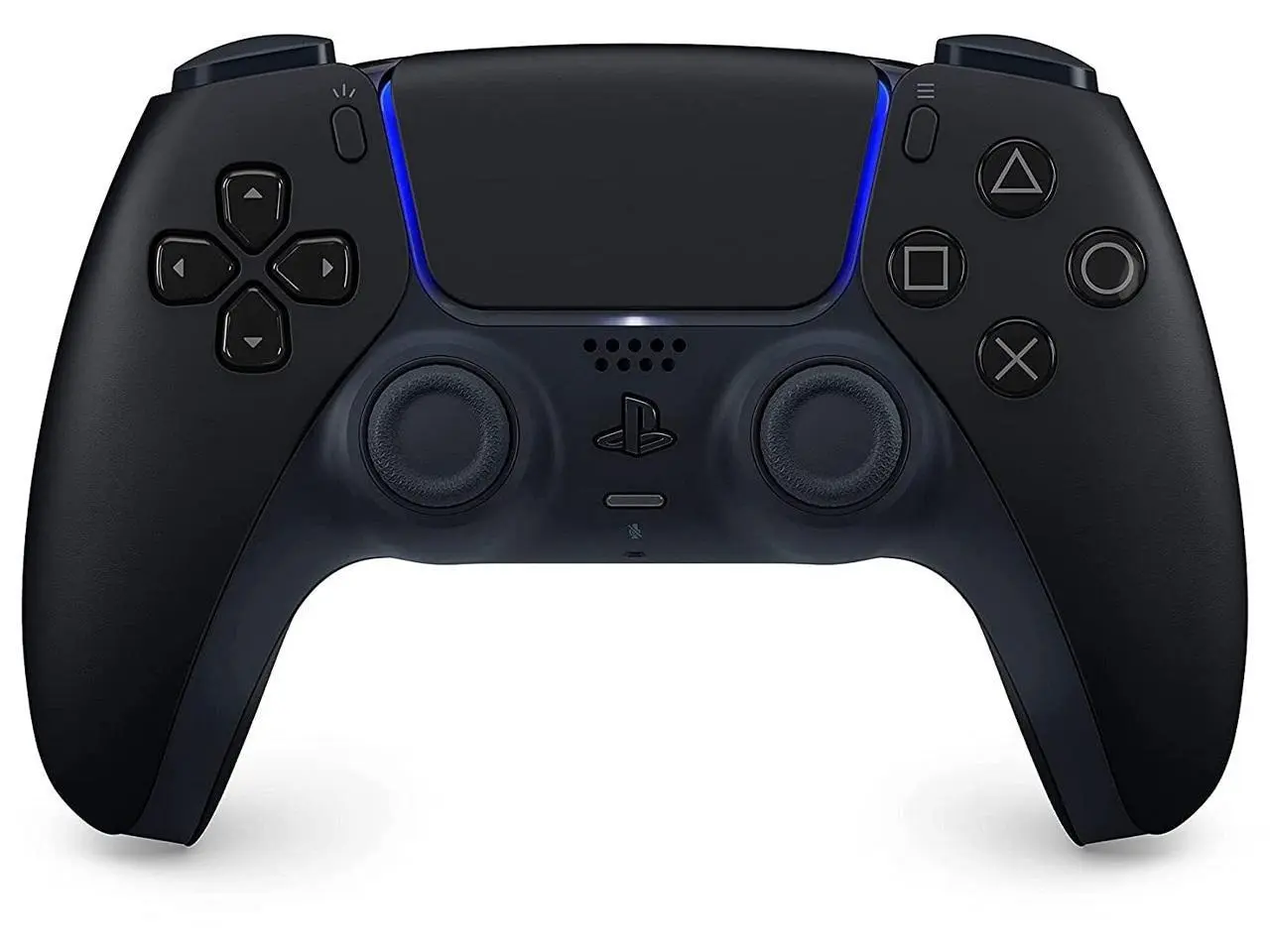

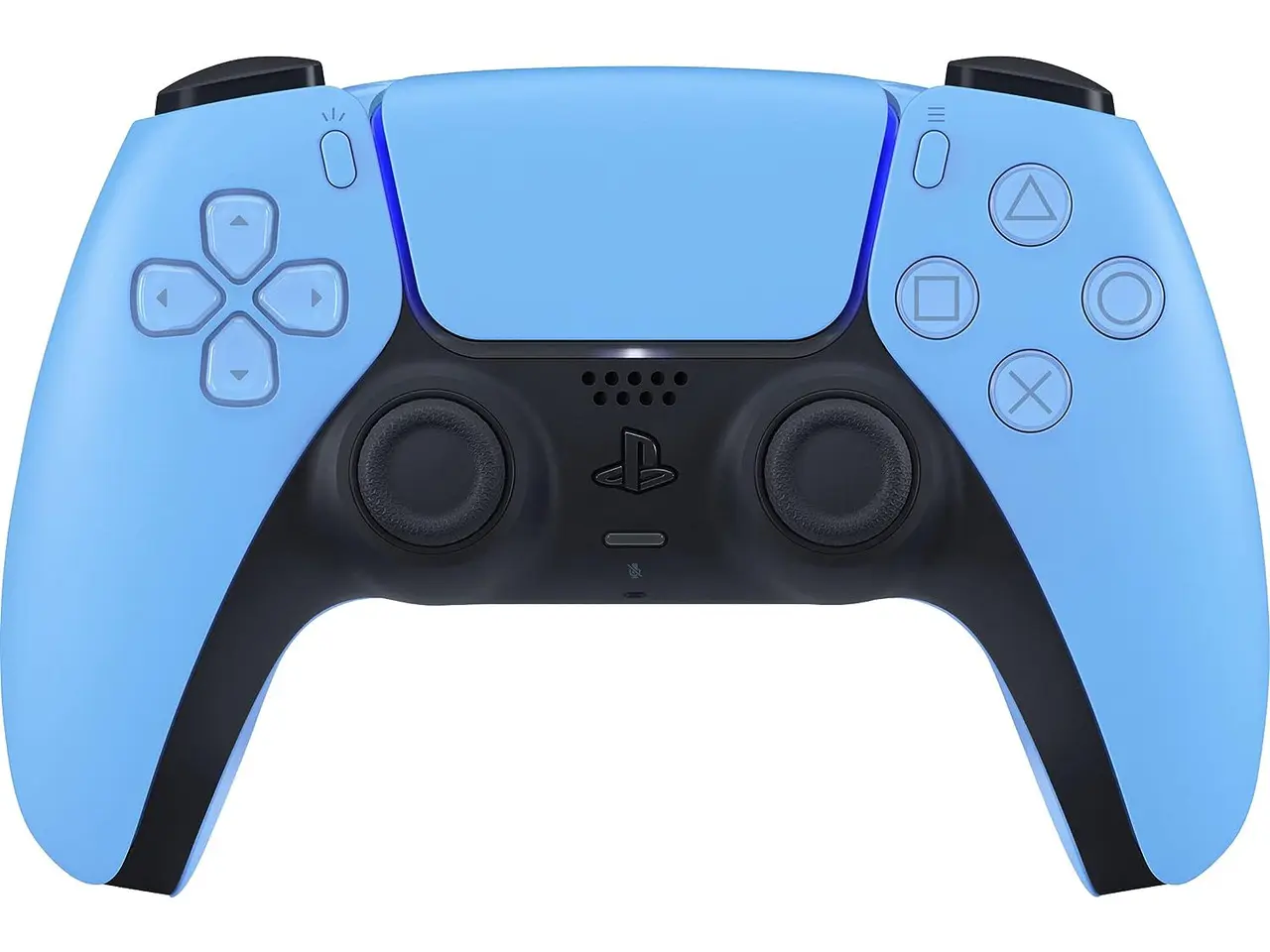

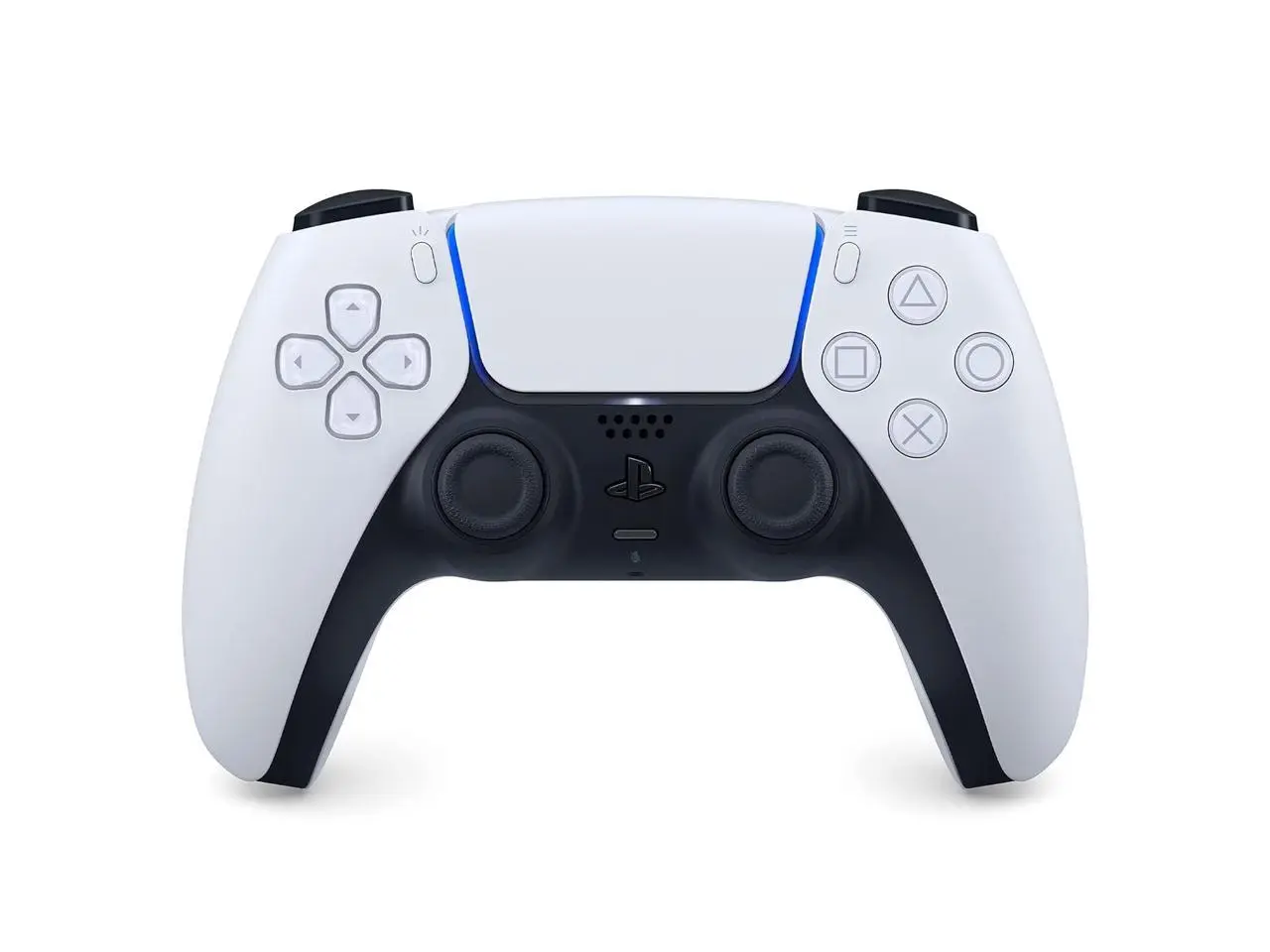


$1,068.55


Newegg, Inc.

5.0
5 sold
$205.99


Newegg, Inc.
2 sold
-14%$370.99$430.99


Newegg, Inc.
12 sold
$344.99

Related Searches
Related Categories
Introduction
The Intel i486 microprocessor marked a pivotal advancement in computer technology during the late 1980s and early 1990s. As the fourth generation of Intel's x86 architecture, the i486 introduced several key features that enhanced computing performance and efficiency. With its integrated floating-point unit and improved cache architecture, the i486 delivered faster processing speeds, making it a popular choice for personal computers of the era.
Key features of the Intel i486 include:
Key features of the Intel i486 include:
- Enhanced Performance: The i486 offered a significant boost in speed and efficiency compared to its predecessor, the i386, allowing for smoother multitasking and improved application performance.
- Integrated FPU: The built-in floating-point unit enabled faster calculations for applications requiring complex mathematical computations, such as graphics and scientific software.
- Advanced Cache System: The i486 utilized a sophisticated cache system that improved data access speeds, further enhancing overall system performance.
- Support for 32-bit Processing: This microprocessor supported 32-bit processing, allowing for larger amounts of memory to be addressed, which was critical for running more demanding applications.