Results for "infant incubator"
An infant incubator is a specialized medical device designed to provide a controlled environment for premature or ill newborns. It helps regulate temperature, humidity, and oxygen levels to support the infant's health and development.


4.8
2.5K sold
-59%$31.90$77.00


$450.63


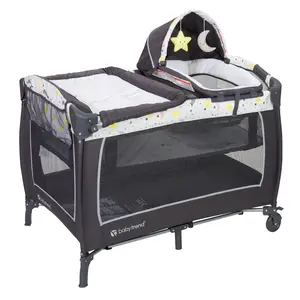
Baby Trend Inc

4.6
1.4K sold
-25%$115.61$154.16


Bear Baby Appliance

4.8
443 sold
-40%$28.45$47.42




Related Searches
Related Categories
Introduction
An infant incubator is an essential piece of equipment in neonatal care, providing a safe and controlled environment for vulnerable newborns. These incubators are designed to maintain an optimal temperature and humidity level, which is crucial for the survival and growth of premature or ill infants. When using an infant incubator, caregivers can closely monitor the baby's vital signs and provide necessary medical interventions without exposing the infant to external environmental factors.
Here are some key features and benefits of infant incubators:
Here are some key features and benefits of infant incubators:
- Temperature Control: Incubators maintain a consistent and warm temperature, mimicking the 's environment to help regulate the baby's body heat.
- Humidity Regulation: The device can control humidity levels, which is vital for skin integrity and respiratory function in newborns.
- Oxygen Supply: Some incubators are equipped with systems to provide supplemental oxygen, ensuring that infants receive the necessary oxygen levels for their development.
- Monitoring Capabilities: Many modern incubators come with built-in monitoring systems for heart rate, respiratory rate, and oxygen saturation, allowing for real-time assessment of the infant's condition.
- Isolation from Infection: The enclosed design helps protect the infant from potential infections and environmental disturbances.