how to insert earplugs
Earplugs are small devices designed to be inserted into the ear canal to block out noise and protect hearing.
Featured brands
Authenticated productsVerified shops


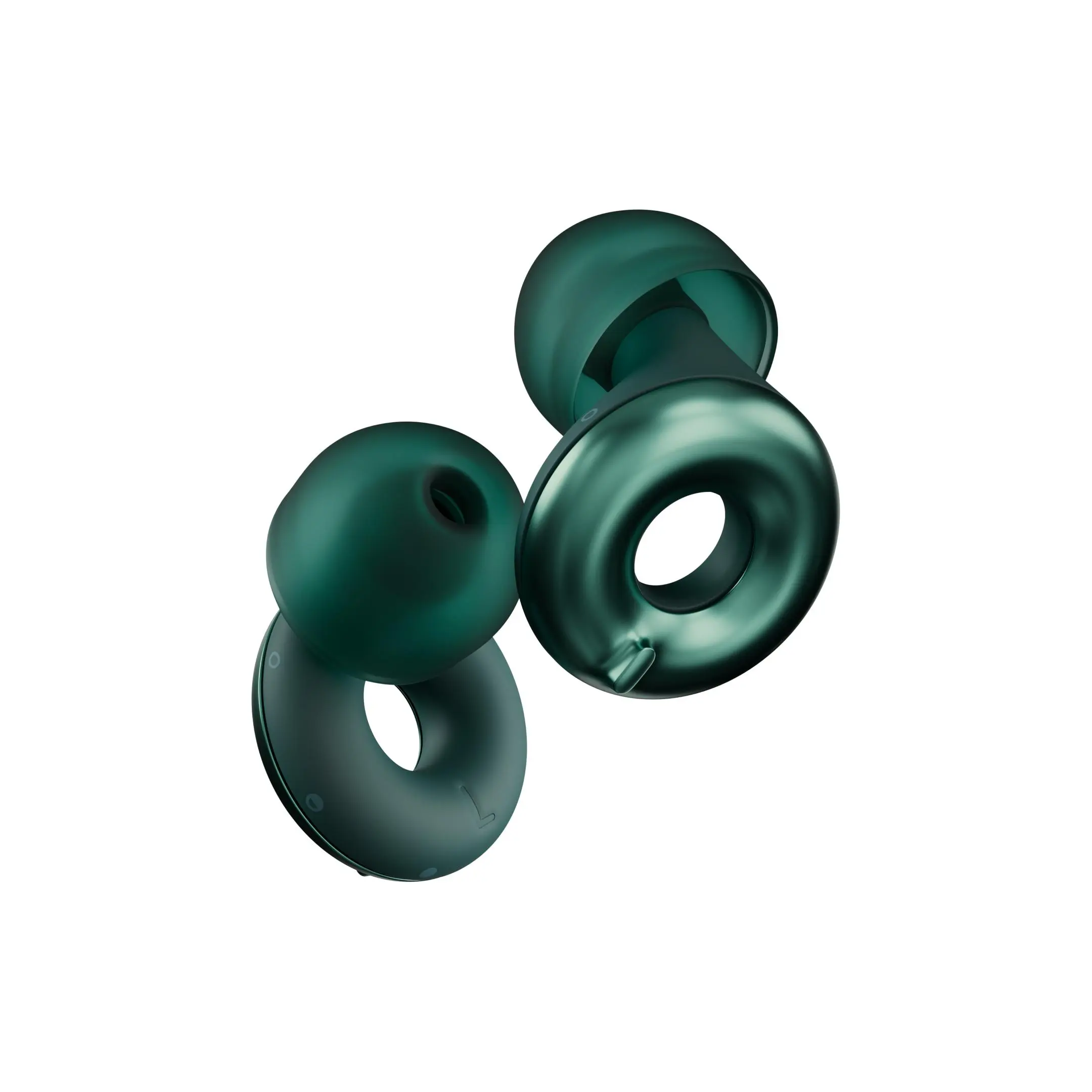
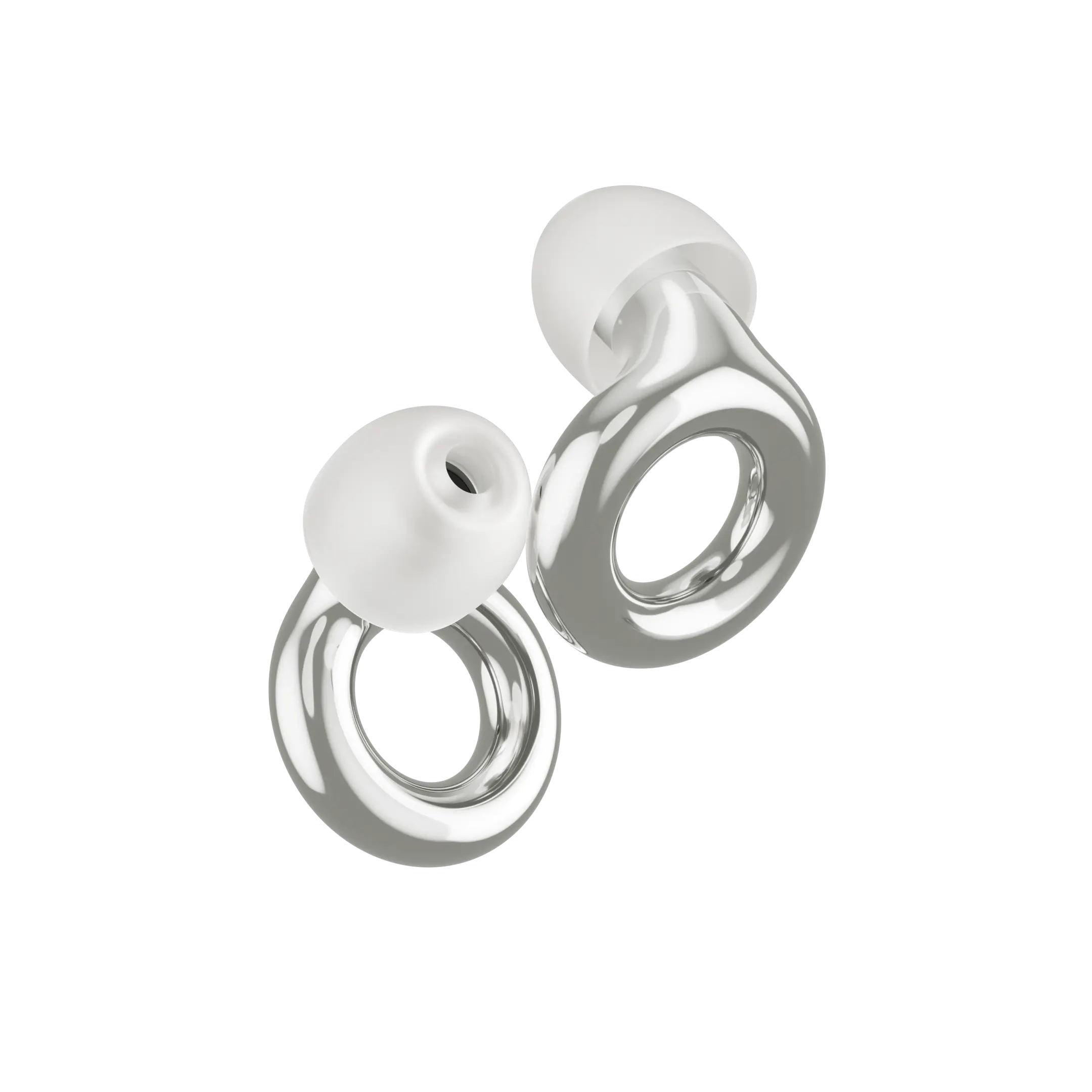
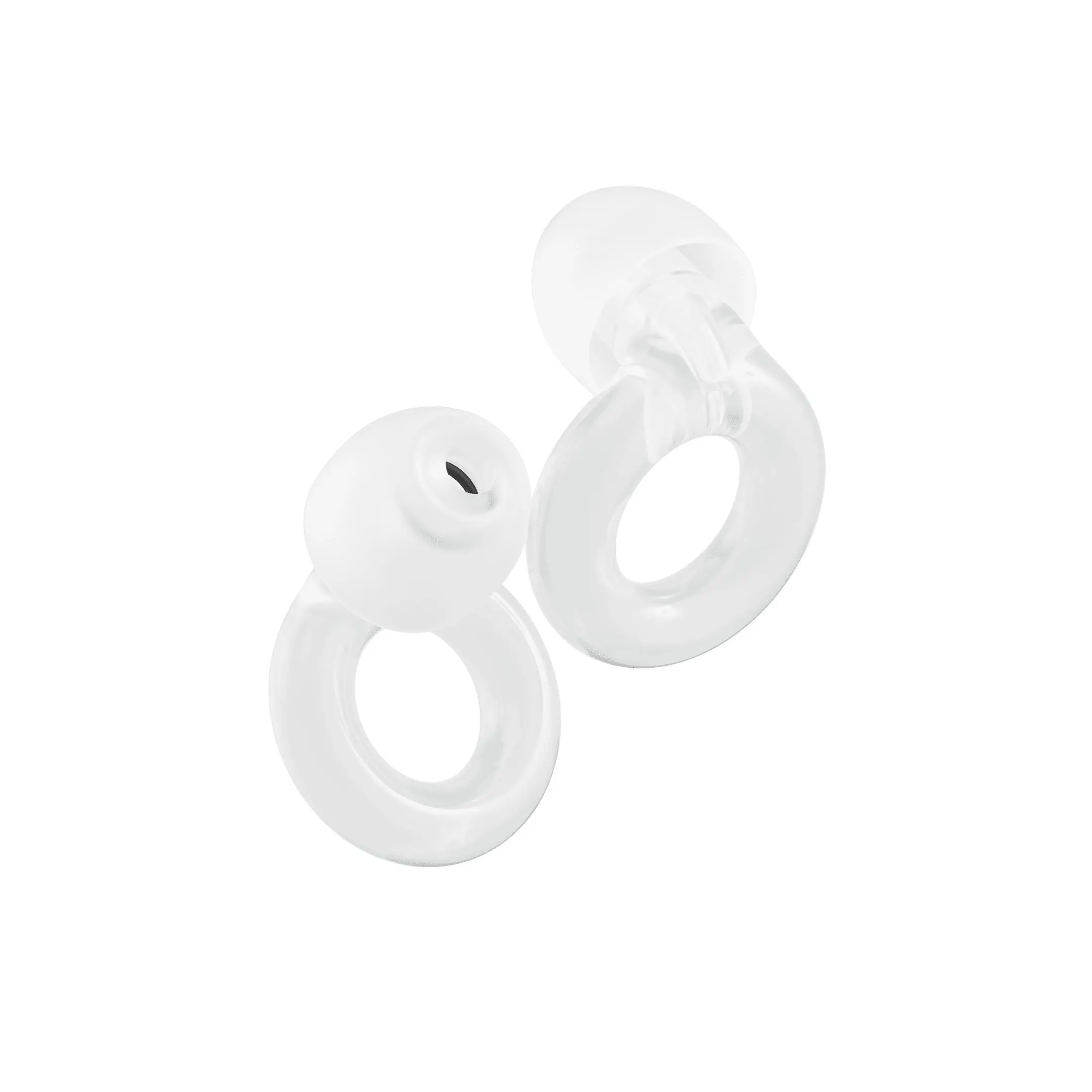
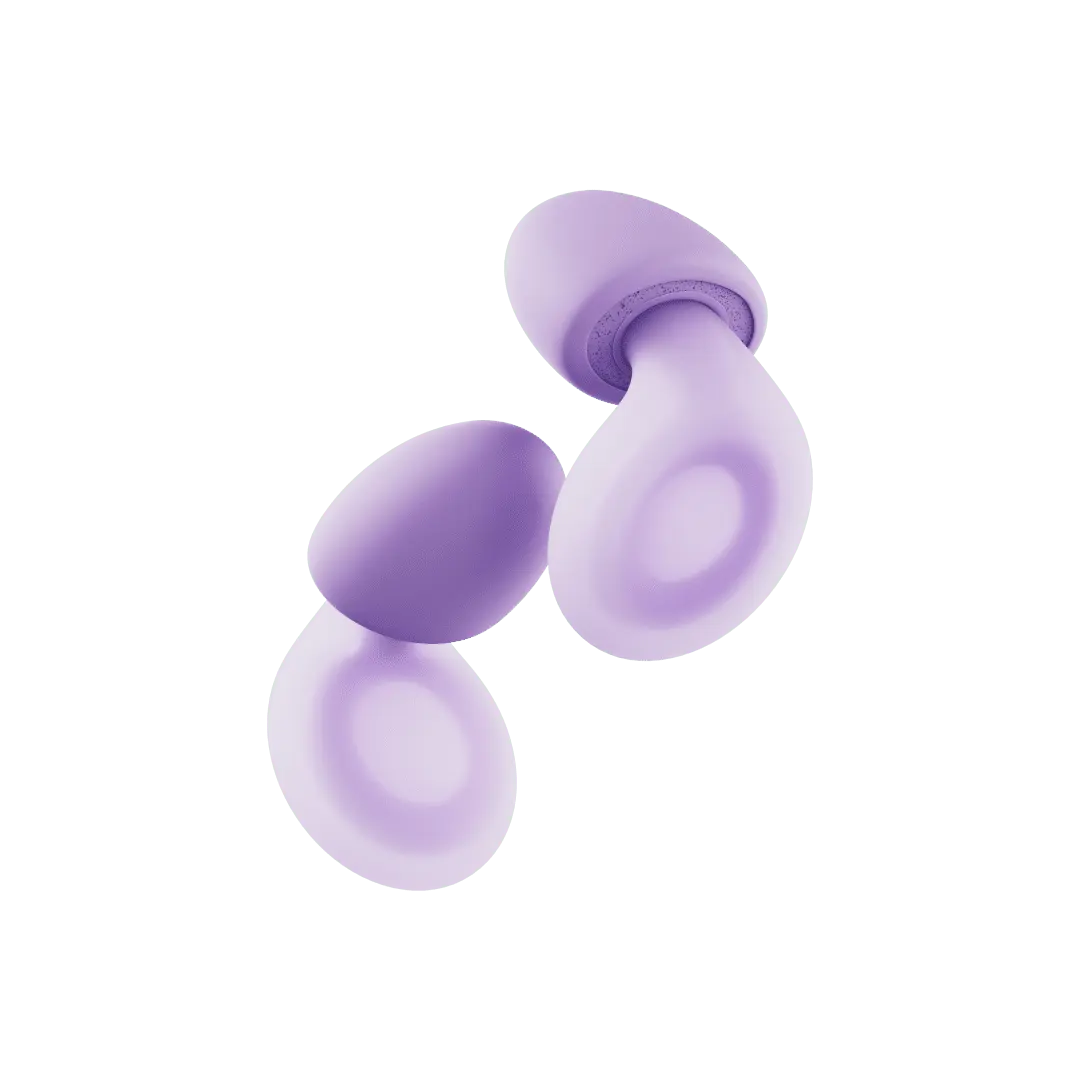
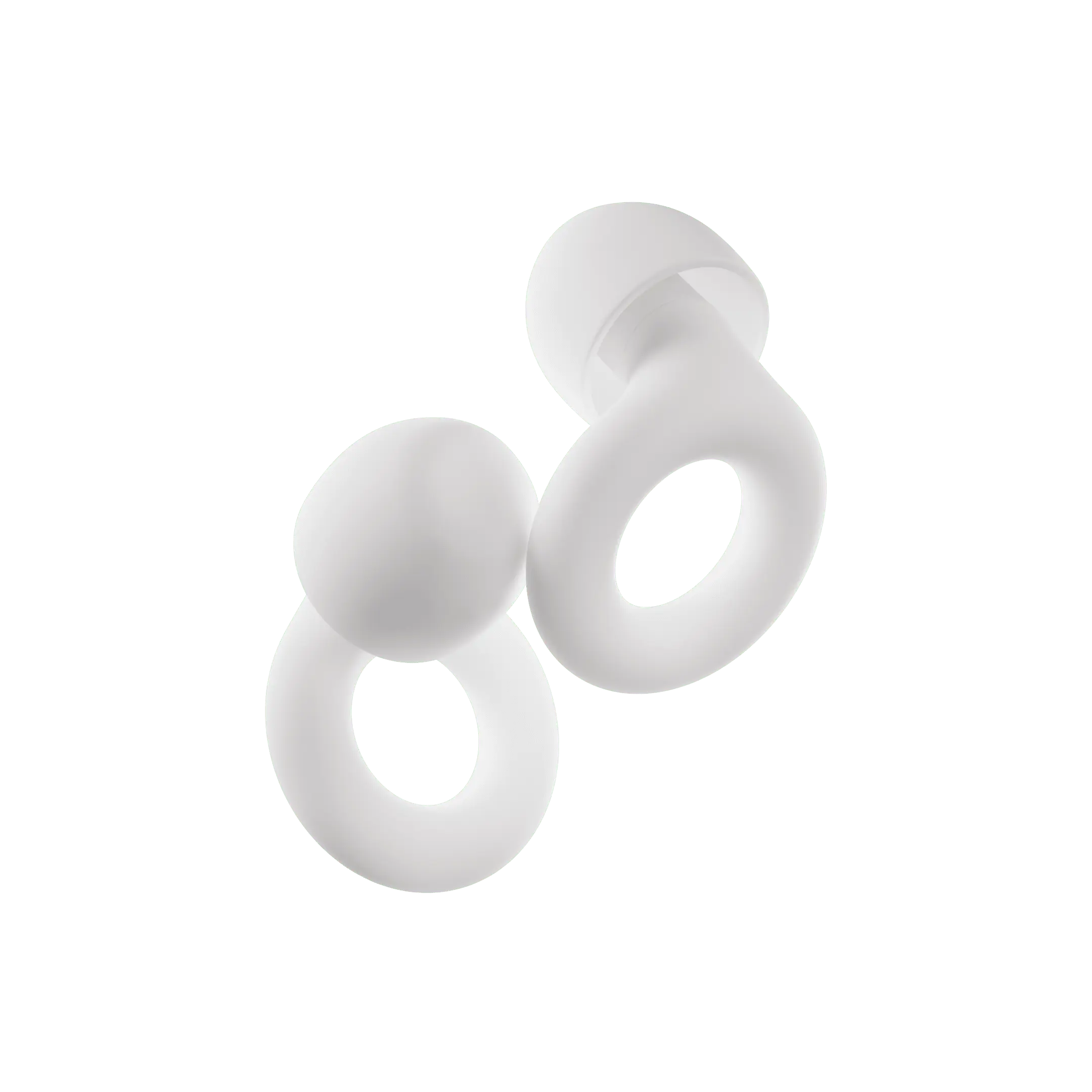
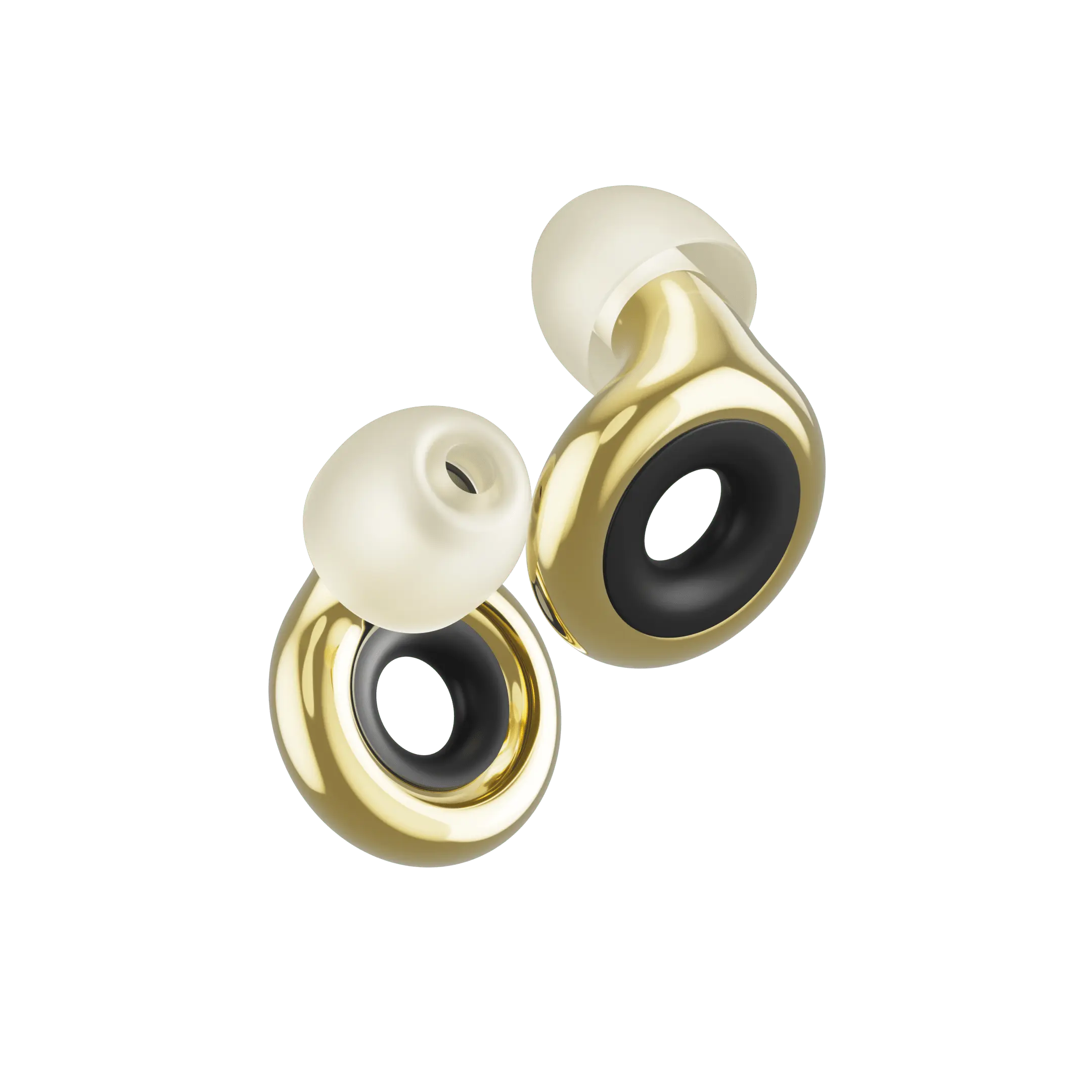


Loop Earplugs US

4.4
33.0K sold
$59.95


Loop Earplugs US
4.7
2.6K sold
$44.95


Loop Earplugs US
4.6
21.4K sold
$39.90


Loop Earplugs US
4.5
4.5K sold
$39.90


Related Searches
Related Categories
Introduction
Inserting earplugs correctly is essential for achieving maximum noise reduction and comfort. Earplugs can be beneficial in various situations, from sleeping in noisy environments to attending concerts or working in loud areas. To insert earplugs properly, follow these steps:
1. **Choose the Right Type**: There are several types of earplugs available, including foam, silicone, and custom-molded options. Ensure you select the type that suits your needs best.
2. **Prepare Your Earplugs**: If you are using foam earplugs, roll them between your fingers to compress them before insertion. For silicone earplugs, ensure they are clean and ready to use.
3. **Insert Correctly**: To insert foam earplugs, gently pull back on the outer ear to open the ear canal and insert the compressed earplug. Hold it in place until it expands to fill the canal. For silicone earplugs, mold them to fit snugly in your ear canal.
4. **Check for Comfort**: Once inserted, ensure the earplugs feel comfortable and create a seal. If they are too tight or uncomfortable, try adjusting their position or using a different size.
5. **Remove Carefully**: To remove earplugs, twist them gently and pull them out slowly to avoid discomfort.
By following these steps, you can effectively use earplugs to block out unwanted noise and protect your hearing. Remember, proper insertion and removal techniques will enhance your experience and ensure safety.
1. **Choose the Right Type**: There are several types of earplugs available, including foam, silicone, and custom-molded options. Ensure you select the type that suits your needs best.
2. **Prepare Your Earplugs**: If you are using foam earplugs, roll them between your fingers to compress them before insertion. For silicone earplugs, ensure they are clean and ready to use.
3. **Insert Correctly**: To insert foam earplugs, gently pull back on the outer ear to open the ear canal and insert the compressed earplug. Hold it in place until it expands to fill the canal. For silicone earplugs, mold them to fit snugly in your ear canal.
4. **Check for Comfort**: Once inserted, ensure the earplugs feel comfortable and create a seal. If they are too tight or uncomfortable, try adjusting their position or using a different size.
5. **Remove Carefully**: To remove earplugs, twist them gently and pull them out slowly to avoid discomfort.
By following these steps, you can effectively use earplugs to block out unwanted noise and protect your hearing. Remember, proper insertion and removal techniques will enhance your experience and ensure safety.