Results for "hatshepsut sculpture"
A Hatshepsut sculpture is a representation of Hatshepsut, the fifth pharaoh of the Eighteenth Dynasty of Egypt, known for her impressive reign and significant contributions to art and architecture.

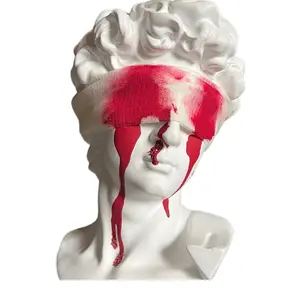

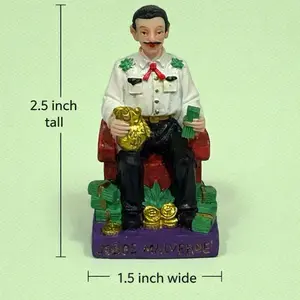


$11.54


$24.00


$24.00
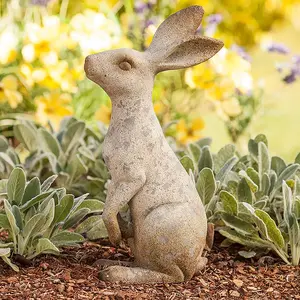






$7.00
Related Searches
Related Categories
Introduction
The Hatshepsut sculpture is a remarkable piece of art that captures the essence of one of ancient Egypt's most powerful female pharaohs. Hatshepsut ruled during the Eighteenth Dynasty and is celebrated for her innovative building projects and trade expeditions. These sculptures often depict her in traditional pharaonic attire, showcasing her authority and divine status. They serve not only as artistic expressions but also as historical records of her reign.
When exploring Hatshepsut sculptures, consider the following aspects:
Owning a Hatshepsut sculpture can be a unique way to connect with ancient history. These pieces are not just decorative; they embody the spirit of a ruler who broke gender norms and left an indelible mark on history. Whether displayed in a museum or a private collection, Hatshepsut sculptures continue to fascinate art lovers and historians alike.
When exploring Hatshepsut sculptures, consider the following aspects:
- Historical Significance: Hatshepsut's reign was marked by peace and prosperity, making her sculptures a testament to her legacy.
- Artistic Style: Many sculptures are characterized by their detailed craftsmanship and adherence to the artistic conventions of the time.
- Symbolism: The sculptures often incorporate symbols of power, such as the ankh or the sistrum, which were associated with the divine.
Owning a Hatshepsut sculpture can be a unique way to connect with ancient history. These pieces are not just decorative; they embody the spirit of a ruler who broke gender norms and left an indelible mark on history. Whether displayed in a museum or a private collection, Hatshepsut sculptures continue to fascinate art lovers and historians alike.