haptic actuator
A haptic actuator is a device that creates tactile feedback, allowing users to feel sensations through vibrations or movements. These actuators are commonly used in various electronic devices to enhance user interaction.
Featured brands
Authenticated productsVerified shops





Related Searches
Related Categories
Introduction
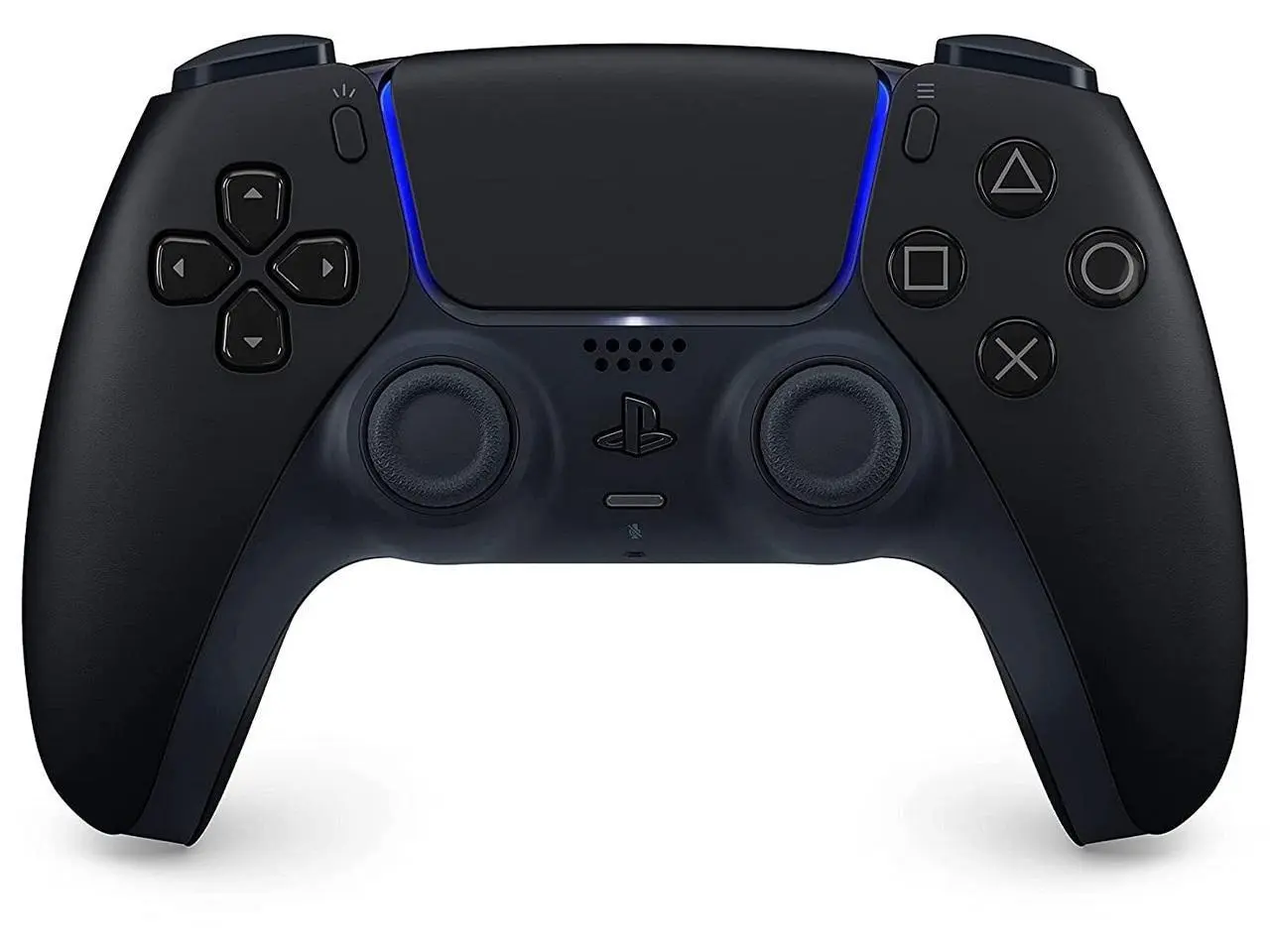
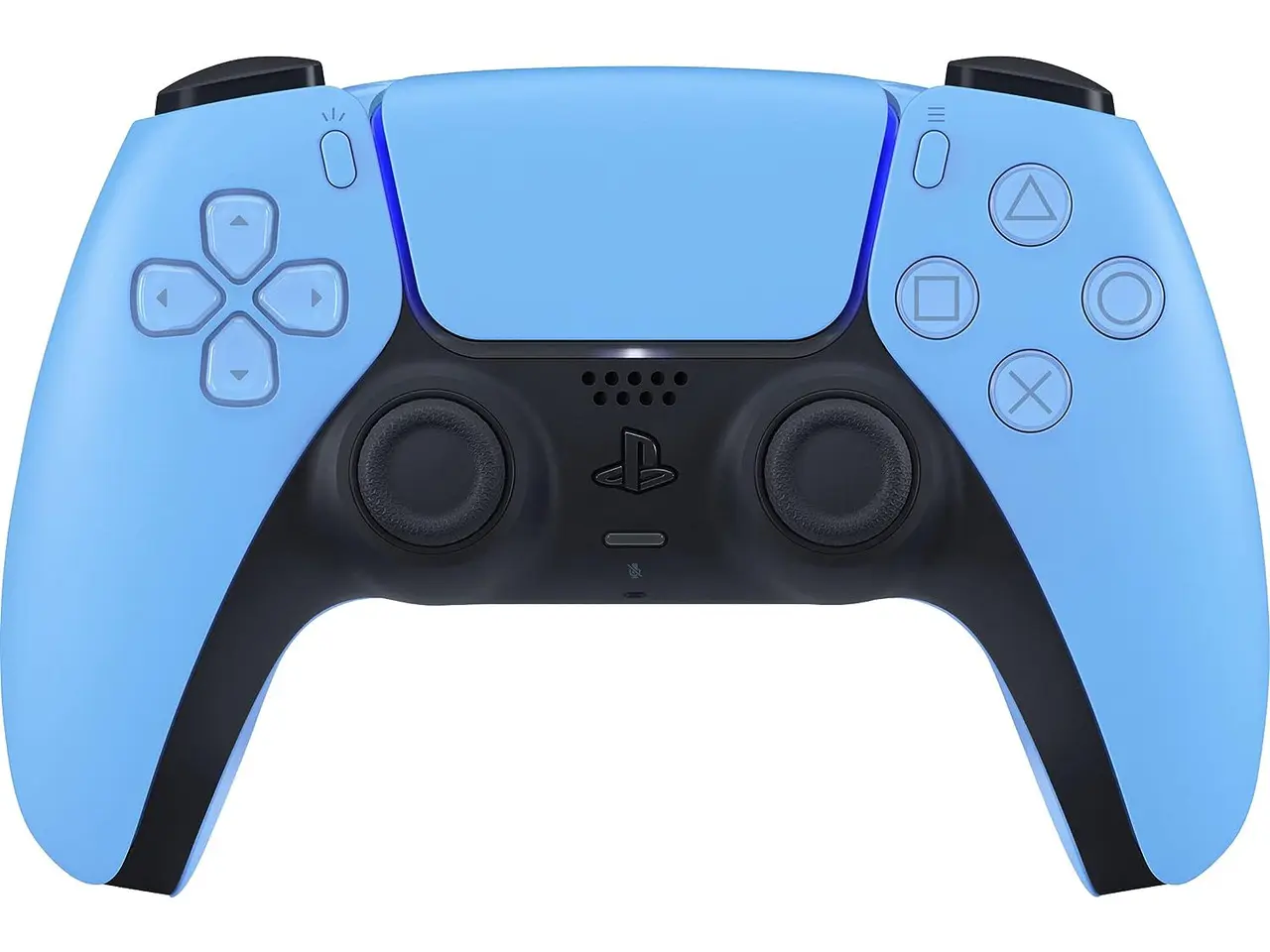
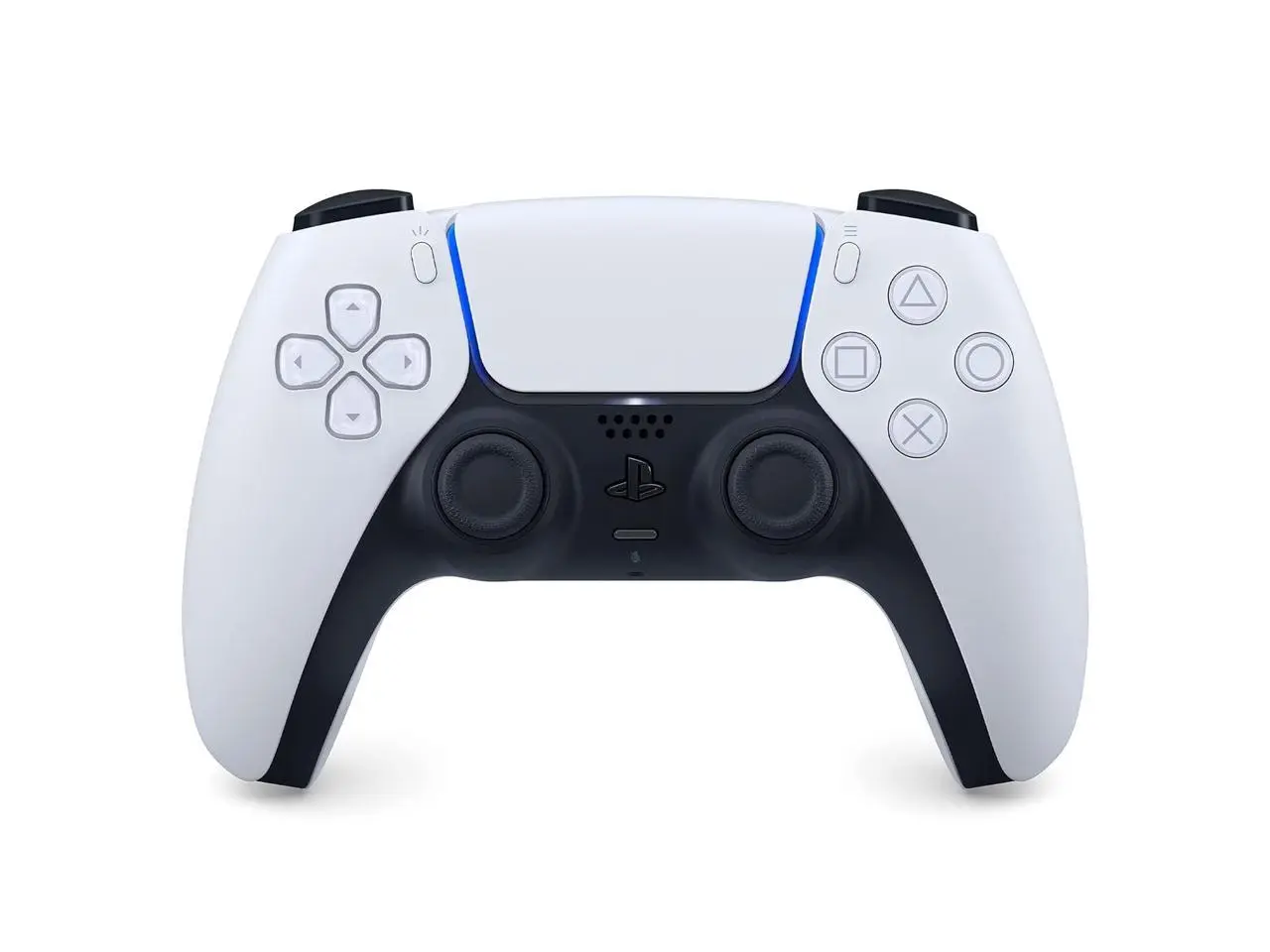
Haptic actuators play a crucial role in modern technology by providing tactile feedback to users. These devices are designed to simulate the sense of touch, making interactions with electronic devices more immersive and engaging. Haptic actuators can be found in smartphones, gaming controllers, and virtual reality systems, enhancing the overall user experience. Users often seek out haptic actuators for their ability to deliver realistic feedback during gameplay or while navigating apps, providing a more satisfying experience.
When considering haptic actuators, it’s essential to understand their functionality and how they can improve your device's performance. Here are some key points to consider:
With the rise of technology, haptic actuators have become increasingly popular, and their demand continues to grow. Whether you are a gamer looking for a competitive edge or someone wanting to enhance your device's interactivity, understanding haptic actuators is essential. Regularly updating your knowledge about the latest advancements in haptic technology will keep you informed and help you make better purchasing decisions.
When considering haptic actuators, it’s essential to understand their functionality and how they can improve your device's performance. Here are some key points to consider:
- Enhanced User Experience: Haptic feedback makes interactions feel more natural and responsive.
- Versatile Applications: Haptic actuators are used in various devices, from smartphones to gaming consoles.
- Improved Accessibility: They can assist users with visual impairments by providing tactile cues.
With the rise of technology, haptic actuators have become increasingly popular, and their demand continues to grow. Whether you are a gamer looking for a competitive edge or someone wanting to enhance your device's interactivity, understanding haptic actuators is essential. Regularly updating your knowledge about the latest advancements in haptic technology will keep you informed and help you make better purchasing decisions.