Results for "flange joint"
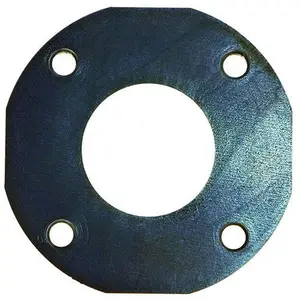
A flange joint is a method used to connect two pieces of pipe or fittings together, utilizing flanges that are bolted to each other. This type of joint provides a strong and reliable seal, making it ideal for high-pressure applications.


$69.07

-26%$118.26$159.65


![A2L R-32 R-454B Valve Adapter 1/4" Female Flare1/4" Left-Hand Female Ball Valve [TS1]](https://p16-oec-general-useast5.ttcdn-us.com/tos-useast5-i-omjb5zjo8w-tx/62aaafd444624699b34d5f2cdeea5711~tplv-fhlh96nyum-crop-webp:300:300.webp?dr=12190&t=555f072d&ps=933b5bde&shp=8dbd94bf&shcp=a6e80448&idc=useast5&from=2378011839 "A2L R-32 R-454B Valve Adapter 1/4\" Female Flare1/4\" Left-Hand Female Ball Valve [TS1]")

4.0
171 sold
-8%$64.40$70.04


Related Searches
Related Categories
Introduction
Flange joints are essential components in the world of pipes and fittings, providing a secure and leak-proof connection between various piping systems. When it comes to ensuring the integrity of your plumbing or industrial systems, understanding flange joints is crucial. These joints consist of two flanges, which are typically made from durable materials such as steel or plastic, that are bolted together. This design allows for easy assembly and disassembly, making maintenance and repairs more manageable.
When considering flange joints, it's important to note the following aspects:
When considering flange joints, it's important to note the following aspects:
- Material Compatibility: Make sure the flange material is compatible with the pipes being connected.
- Pressure Ratings: Choose flanges that can withstand the pressure levels of your system.
- Size and Dimensions: Ensure the flanges match the size of the a proper fit.
- Gasket Selection: Use appropriate gaskets to enhance sealing and prevent leaks.