face uv protection
Face UV protection refers to the methods and products used to shield the skin on the face from the harmful effects of ultraviolet (UV) rays from the sun. This includes the use of facial sunscreens that contain SPF to prevent sunburn and skin damage.
Featured brands
Authenticated productsVerified shops



4.5
133 sold
-46%$18.19$33.80


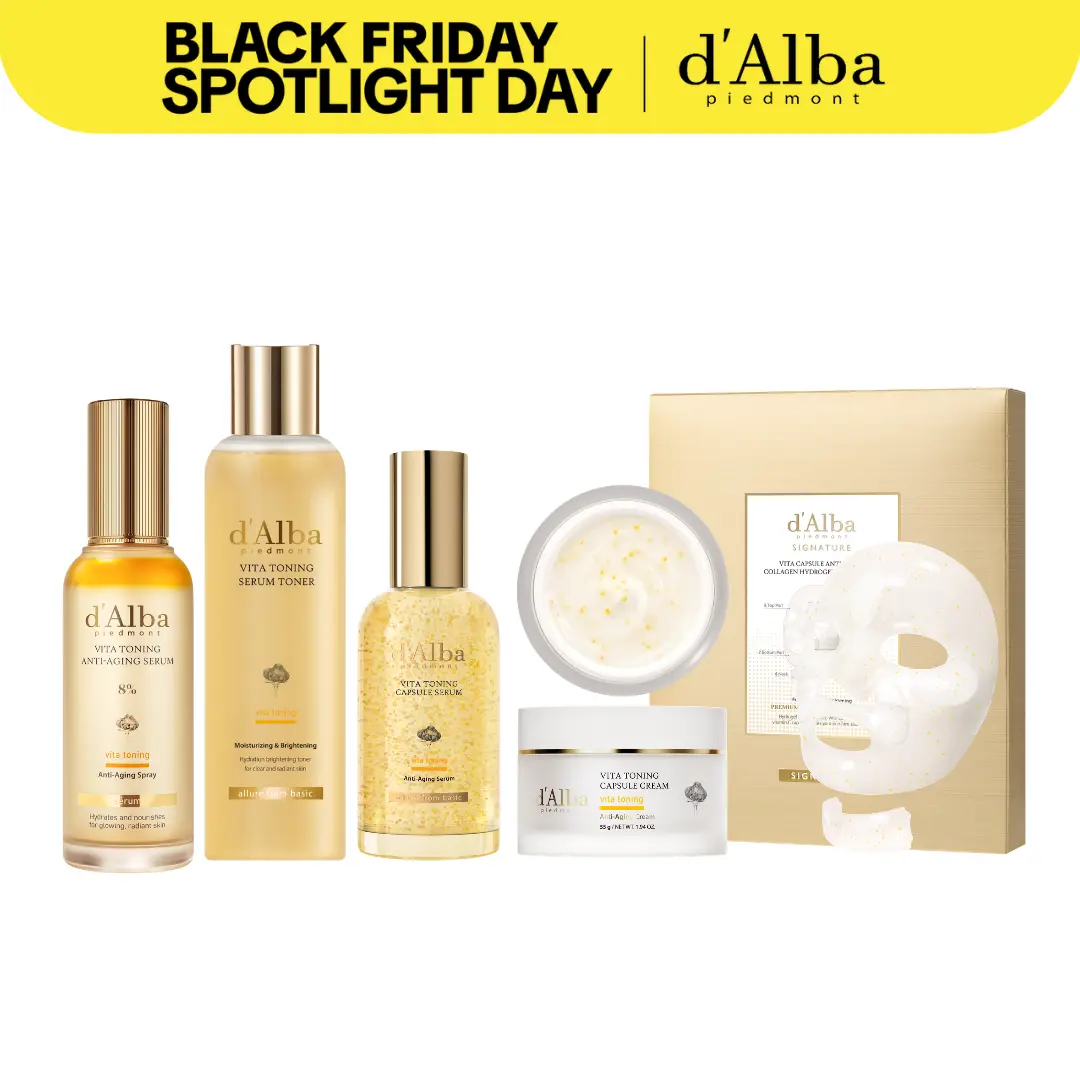
d'Alba Piedmont

5.0
671 sold
-46%$90.99$169.00


medicube US Store
4.8
10.8K sold
$3,900.00


No more products
Related Searches
Related Categories
Introduction
When it comes to maintaining healthy skin, face UV protection is essential. Every time you step outside, your skin is exposed to harmful UV rays that can lead to premature aging, sunburn, and even skin cancer. Using a quality facial sunscreen is one of the best ways to protect your face from these dangers. Facial sunscreens are formulated specifically for the delicate skin on your face, providing a lightweight feel without clogging pores.
Here are some key points to consider when choosing face UV protection:
Here are some key points to consider when choosing face UV protection:
- SPF Rating: Look for a sunscreen with at least SPF 30 for effective protection. Higher SPF ratings offer greater protection.
- Broad Spectrum: Choose products labeled 'broad spectrum' to protect against both UVA and UVB rays.
- Water Resistance: If you plan on swimming or sweating, opt for water-resistant formulas to ensure lasting protection.
- Skin Type Compatibility: Consider your skin type—whether it's oily, dry, or sensitive—and choose a sunscreen that suits your needs.
- Application: Apply sunscreen generously and reapply every two hours, or more frequently if swimming or sweating.