equestrian riding equipment

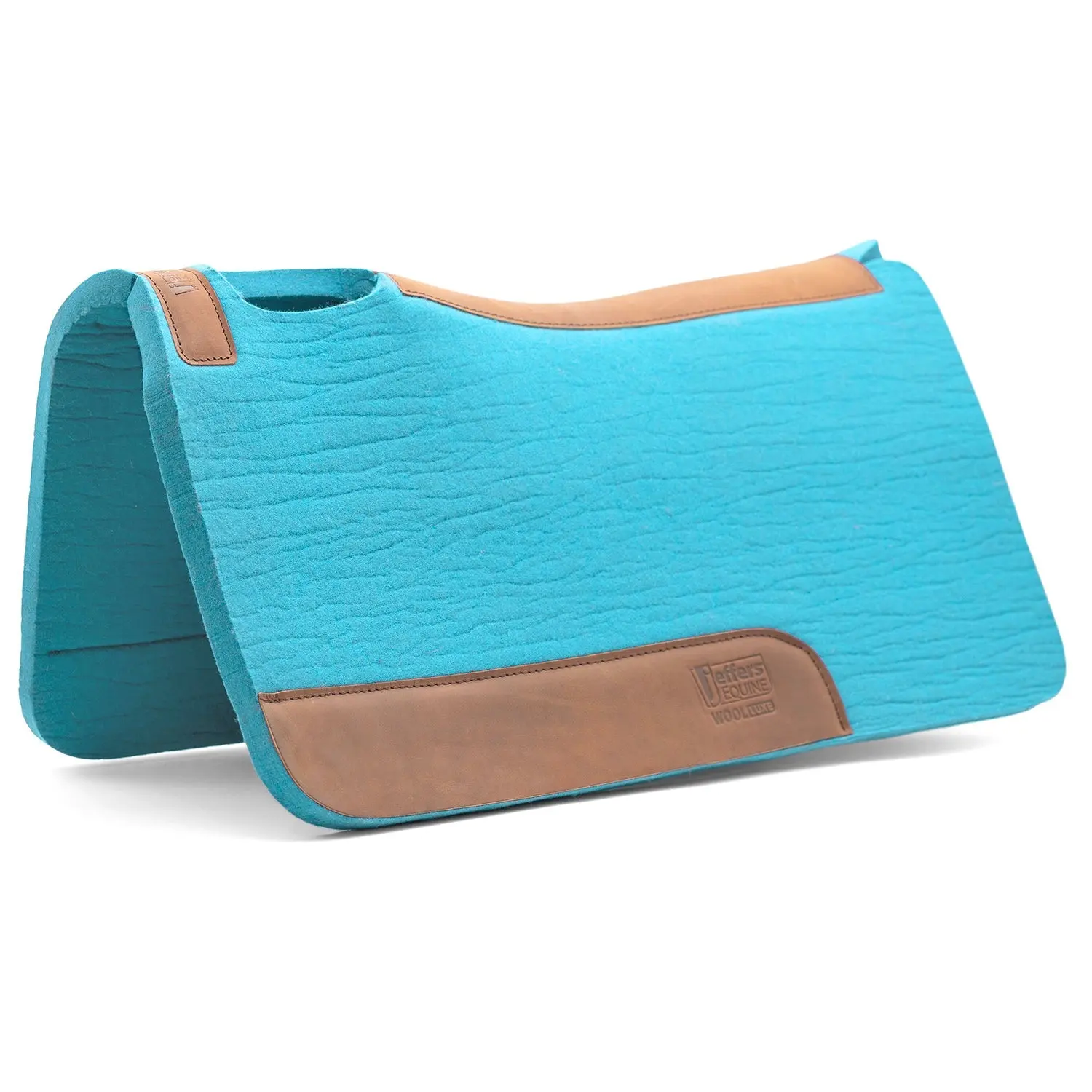
Equestrian riding equipment refers to the various tools and gear used by riders and their horses during training and competitions. This includes saddles, bridles, stirrups, and protective gear for both horse and rider.

Featured brands
Authenticated productsVerified shops

Jeffers Protective Horse Boots, Solid Colors
Free shipping
Horse tack n stock
Free shipping
7 sold
$64.99

Introduction

Equestrian riding equipment is essential for anyone involved in horseback riding, whether for leisure or competition. Understanding the different types of equipment available can help riders make informed choices that enhance their riding experience. Key components of equestrian riding equipment include:
  • Saddles: A well-fitted saddle is crucial for both the rider's comfort and the horse's performance.
  • Bridles: These are used to control the horse and come in various styles to suit different riding disciplines.
  • Stirrups: Stirrups provide support for the rider's feet and are vital for maintaining balance.
  • Protective Gear: Helmets and body protectors are essential for rider safety, while leg wraps and boots protect the horse.
When selecting equestrian riding equipment, consider factors such as the type of will be doing, your horse's size and breed, and personal comfort. Investing in quality equipment can lead to improved performance and a more enjoyable riding experience. Remember, proven quality and customer-approved gear can make a significant difference. Regularly check for updates on trending products and innovations in equestrian riding equipment to stay ahead in the sport.

FAQs

Consider your riding discipline, your horse's size, and your personal comfort. It's also helpful to consult with experienced riders or trainers for recommendations.

Look for quality materials, proper fit, durability, and comfort. Ensure that the equipment is specifically designed for the type of intend to do.

One common mistake is not properly fitting the equipment to the horse or rider, which can lead to discomfort and performance issues. Always try equipment before purchasing.

Replace equipment as needed based on wear and tear. Regularly inspect your gear for signs of damage, and replace items that no longer provide safety or comfort.

Yes, look for reputable brands that offer sales or discounts. Second-hand equipment can also be a good option if it is in good condition.